

Study programme

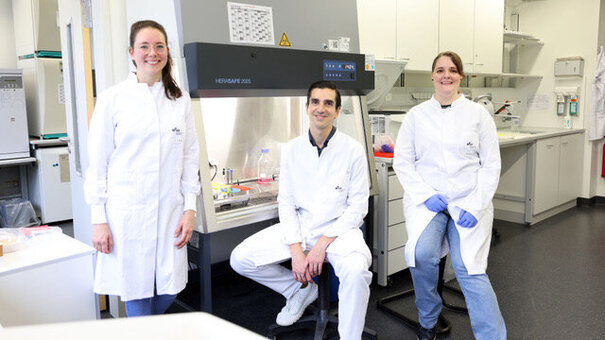
The International Master's degree program with focus on Cancer research and Immunology is research oriented. The students will get profound knowledge about current research in the field of cancer research as well as of immunology and will have the opportunity to perform two half-year long internships in two different research laboratories.

Structure

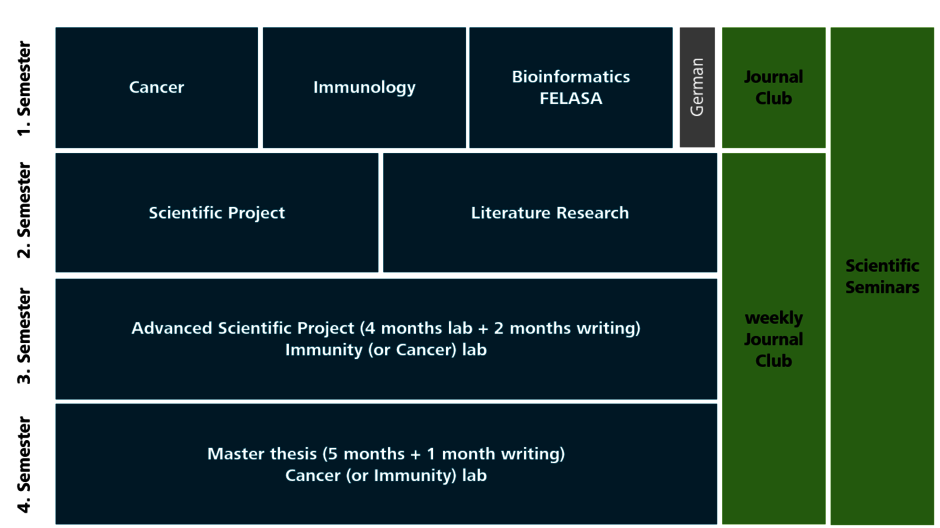
The Master's program is spread over four semesters.

1. Lectures and method courses are offered in the first semester. These courses will equip the student with a thorough understanding of Immunology as well as of Cancer Research. Furthermore, the students will acquire a FELASA license and learn the basics of Bioinformatic as it is currently used in research Labs.

2. and 3. From the second semester onwards, students can take part in individual internships in research groups focused on immunological or cancer-related research. Prior to their first internship, the students will perform thorough literature research to their upcoming project and formulate a hypothesis for their research question which they can test in the following internship. Throughout the programme, all studies are consistently accompanied by research seminars and Journal clubs. A few seminars and internships are in cooperation with the Master's program in  Molecular Medicine (external link, opens in a new window)

4. In the final semester, the students perform their Master project in a in research group focused on immunological or cancer-related research.

City
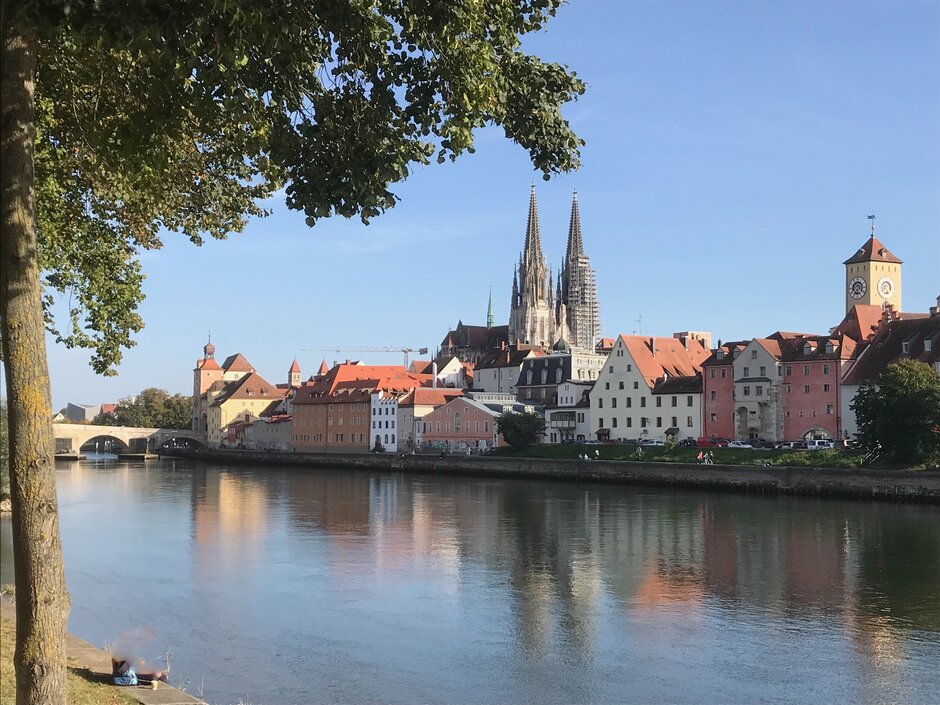
There are many good reasons to choose Regensburg for your study programme.
link to International Office "Why study in Regensburg"?" (external link, opens in a new window)

People / labs
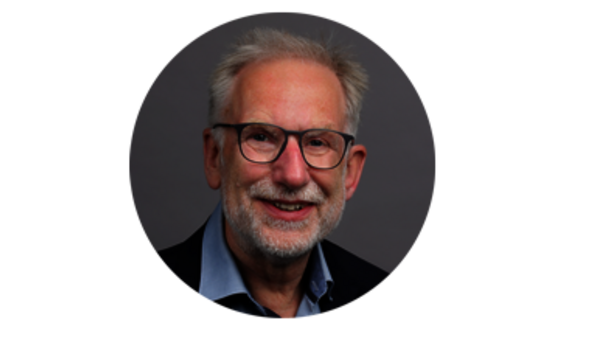
  • Prof. Hinrich Abken (external link, opens in a new window)

    Genetic Immunotherapy

    At the LIT, research in our Division focuses on two main areas. Firstly, we look at the molecular and cellular mechanisms of CAR-redirected T-cell activation to develop multifunctional CARs for redirected antitumor activities. Secondly, we seek to translate newly developed, first-in-class CARs into clinical trials for the treatment of hematologic and solid cancers.

    Link to Abken lab (external link, opens in a new window)

  • Prof. Philipp Beckhove (external link, opens in a new window)

    Interventional Immunology

    The Interventional Immunology Division investigates cellular and molecular mechanisms by which tumors can protect themselves from immune attack, and develops new approaches for tumor immunotherapy on this basis. The division focuses on three closely linked fields of research:

    01 | Immune resistance mechanisms in tumor cells
    02 | Regulation of anti-tumor immunity in situ
    03 | Breaking immune resistance

    link to Beckhove lab (external link, opens in a new window)

  • Prof. Matthias Edinger & Assoc. Prof. Petra Hoffmann (external link, opens in a new window)

    Immunoregulation

    The Immunoregulation Group focuses its research on the immunology of allogeneic stem-cell transplantation (SCT) — a treatment option for patients with high-risk leukemia and lymphoma. Donor T cells, co-transplanted with the stem-cell graft, contribute to the efficacy of this treatment modality by eradicating patient hematopoiesis and thus also leukemic cells (Graft-versus-Leukemia effect, GVL). However, donor T cells can also attack solid organs of patients and thereby cause Graft-versus-Host Disease (GVHD), a severe and sometimes life-threatening transplant complication. The research group previously showed that the co-transplantation of Foxp3+ regulatory T cells (Tregs) with the stem-cell graft can prevent this complication in mouse models.

    link to Edinger/Hoffmann lab (external link, opens in a new window)

  • Prof. Markus Feuerer (external link, opens in a new window)

    Immunology

    Our core focus is on the ability of specialized regulatory immune cells -such as regulatory T cells (Treg)- to direct local immune responses, as well as to organize tissue repair and tissue homeostasis. Part of our mission is to clarify the basic molecular mechanisms of immune-cell differentiation in tissue, as well as their function and interaction with tissue cells.

    link to Feuerer lab (external link, opens in a new window)

  • Prof. Luca Gattinoni  (external link, opens in a new window)

    Functional Immune Cell Modulation

    The Functional Immune Cell Modulation Division is engaged in the development of T cell-based immunotherapies for the treatment of patients with advanced tumors. Our multifaceted approach is organized into three distinct but interconnected programs, each contributing to the overarching goal of enhancing the therapeutic efficacy of T cells against cancer.

    link to Gattinoni lab (external link, opens in a new window)

  • Prof. Dr. Peter Hau (external link, opens in a new window)

    Neuro-Oncology

    Gliomas are a heterogeneous group of primary brain tumors characterized by their aggressive nature and poor prognosis. The tumor microenvironment (TME) plays a pivotal role in glioma progression, influencing both tumor growth and treatment resistance. The TME is composed of various cellular components, including glioma cells, stromal cells, immune cells, endothelial cells, and extracellular matrix elements. Immune cells within the TME, such as microglia, macrophages, and T lymphocytes, are key players in the tumor’s immune landscape. However, gliomas often establish an immunosuppressive microenvironment, limiting effective anti-tumor immunity.

    Our research centers on patient-derived glioma cancer stem cells (GSCs) and their complex interplay with the different components of the TME. In particular, we´re focused on i) the impact of translocator protein (TSPO) on T-cell mediated tumor cell killing (FOR2858, in collaboration with Prof. Beckhove, LIT), ii) the role of gut microbiota on glioma progression and iii) molecular mechanisms and signaling pathways that drive migration and invasion of GSCs via proneural-to-mesenchymal transition and associated therapy resistance.

    link to Hau lab (external link, opens in a new window)

  • Assoc. Prof. Petra Hoffmann (external link, opens in a new window)

    FACS Analytics and Cell Sorting

    The Flow Cytometric Cell Analytics and Cell Sorting Core Facility at the LIT offers research groups from the LIT, the University Hospital of Regensburg (UKR), and the University of Regensburg (UR) the opportunity to identify and characterize individual cell populations and to isolate them in a targeted manner, thus making them accessible for further downstream analysis. In addition, we offer advice and support for beginners and advanced users on flow cytometry-related questions and problems, such as the selection of appropriate fluorochromes, the creation of a staining panel for multicolor analysis and the optimization of gating strategies.

    link to Hoffmann lab (external link, opens in a new window)

  • Prof. Birte Kehr (external link, opens in a new window)

    Algorithmic Bioinformatics

    The Algorithmic Bioinformatics group is a purely computational research group developing new algorithms to solve bioinformatics problems on sequence data. We address challenges such as read alignment, variant detection and genotyping, genome assembly, and whole-genome alignment among others. We implement our algorithms in new software tools and use them in the analysis of sequence data to gain new insights into human genetics and the immune system

    link to Kehr lab (external link, opens in a new window)

  • Prof. Dr. Christian Keller (external link, opens in a new window)

    Immunology & infection biology of obligate intracellular bacteria

    Obligate intracellular bacteria, such as rickettsiae, have evolved sophisticated strategies to invade host cells and manipulate their functions for survival and replication. Among them, Orientia tsutsugamushi, the causative agent of scrub typhus, is a highly adapted human pathogen with a striking clinical significance, yet remains poorly understood.
    Our lab studies the molecular mechanisms that govern infections caused by Orientia tsutsugamushi, focusing on how this pathogen hijacks, modifies, and subverts host cellular pathways to facilitate infection and survival.
    To uncover these mechanisms, we use a combination of high-resolution imaging techniques, genetic approaches and immunological methods. These tools allow us to dissect the intricate interactions between O. tsutsugamushi and its host at a molecular level. Current projects focus on the relevance of RNA receptors in innate recognition and the molecular mechanisms of the non-lytic cellular exit of Orientia tsutsugamushi.
    Our work is supported by funding from organizations such as the DFG (e.g. the DFG Priority Program “Exit” / SPP2225), and we collaborate with local, national and international partners to advance our understanding of this neglected tropical disease.

    link to Keller lab (external link, opens in a new window)

  • Dr. Erik Thiele Orberg PhD (external link, opens in a new window)

    We are a dynamic team of medical students, clinician scientists, and faculty members working towards understanding the crucial role of the human microbiome in cancer and cancer immunotherapy. We focus on the cellular and molecular interactions between the human microbiome, the gastrointestinal mucosa, and the immune system, investigating how the microbiota modulates the intestinal epithelia and immune cells.

    Microbial diversity is a strong predictor of efficacy and toxicity in cancer immunotherapy. Our research is driven by the potential to enhance cancer immunotherapy by exploring how bacteria modulate this effect and uncovering the molecular mechanisms underlying them.

    Our research, part of the collaborative research center 1371, a DFG-funded consortium, aims to develop microbiome-based therapies by combining clinical expertise in hematological malignancies and immunotherapies with the rigorous collection of human biosamples, matching clinical data, and integration into cutting-edge analytical pipelines. Microbiome-based therapies have the potential to significantly improve clinical outcomes in patients receiving immunotherapy.

    link to Orberg lab (external link, opens in a new window)

  • Prof. Dr. Hendrik Poeck (external link, opens in a new window)

    Inspired by his clinical work focusing on myeloid neoplasms, allogeneic stem cell transplantation (allo-SCT) and cellular therapies with genetically modified T cells (CAR T cells), Prof. Poeck's research group is investigating anti-tumor responses, triggering of resistance mechanisms and tissue regeneration in the treatment of cancer patients with immunotherapies. In particular, we would like to determine the importance of (i) specific signaling pathways of the innate immune system and its modulation via genome modification, (ii) the different components of the stool and tissue microbiome including the role of nutrition / diet and (iii) tumor-derived factors (e.g. tumor-derived extracellular vesicles (EVs)) with regard to therapy success and development of resistance as well as for tissue regeneration in the context of the above-mentioned immunotherapies. His research thus combines the highly relevant areas of microbiome, nutrition, stem cell transplantation and cellular therapies including cell engineering and nucleic acid-based therapeutics.

    We pursue both a “forward and reverse translation approach” in which interesting results from the mouse or from the patient (e.g. identification of certain microbial metabolites/signatures in CAR-T and allogeneic stem cell transplanted patients that are associated with an improved response) are translated into high-quality preclinical models (e.g. patient-derived organoid co-culture models, xenograft and immunocompetent mouse models) to further investigate the efficacy and molecular mechanisms of the new combinations in models with clinical relevance. The ultimate goal is then to translate this into an early clinical trial (Investigator Initiated Clinical Trials (IITs)).

    With continued large inter-individual differences in therapy response, the aim of our research work is to use the above information for the development of new, targeted combination therapies to improve the response rates of these immunotherapies. At the same time, new biomarkers for predicting clinical outcomes will be identified and adverse immune-mediated side effects such as graft-versus-host disease (GvHD), cytokine release syndrome (CRS) or immune effector cell-associated neurotoxicity syndrome (ICANS) after CAR T therapy will be minimized. To achieve this goal, a number of local, national and international collaborations have been established.

    link to Poeck lab (external link, opens in a new window)

  • Prof. Michael Rehli (external link, opens in a new window)

    NGS and Data Technologies

    The Next Generation Sequencing (NGS) Core Facility’s mission is to provide the local research community with access to state-of-the-art sequencing technologies, and to help facilitate cutting-edge omics research. We offer consultation and expert assistance in strategic planning and method development, library preparation, and high-throughput sequencing services for bulk and single-cell applications. We also support in data processing, management, and analysis.

    link to Rehli lab (external link, opens in a new window)

  • Dr. Leo Scheller (external link, opens in a new window)

    Structural Biochemistry

    Our group develops synthetic receptors and protein therapeutics to improve the safety and efficacy of immunotherapies. We combine:
    - Computational protein design to create specific and tunable biosensors and receptors.
    - Synthetic biology approaches to reprogram cellular functions and immune responses.
    - High-throughput screening and functional validation in relevant models.
    Our interdisciplinary and collaborative approach aims to bridge basic and translational research to address current bottlenecks in immunotherapy.

    link to Scheller lab (external link, opens in a new window)

  • Dr. Christian Schmidl (external link, opens in a new window)

    Epigenetic Immuno-oncology
     

    The Epigenetic Immuno-oncology Laboratory is interested in the molecular mechanisms of gene regulation in the context of cancer immunity. We are particularly focused on the non-coding genome, which we explore using high-throughput (single-cell) sequencing approaches to study immune cells and their interacting friends and foes. We work closely together with clinical collaboration partners to address the topics of cancer and inflammation with the vision to translate our findings for the patient’s well-being.

    link to Schmidl lab (external link, opens in a new window)

  • Prof. Barbara Schmidt (external link, opens in a new window)

    irus Immunology 

    Our research focuses on the interactions between the immune system with various viruses, including Human Immunodeficiency Virus Type 1 (HIV-1), oncolytic herpes viruses, Borna Disease Virus 1 (BoDV-1) and SARS-CoV-2. Our research explores two fascinating topics: understanding how the immune system controls viral infections and how viruses evade immune responses.

    link to Schmidt lab (external link, opens in a new window)

  • Assoc. Prof. Alice Sijts (external link, opens in a new window)

    T-Cell Tolerance

    Alice Sijts’ research aims to develop regulatory T cell-based therapies to dampen intestinal inflammations and allergies.

    link to Sijts lab (external link, opens in a new window)

  • Prof. Simone Thomas (external link, opens in a new window)

    T-Cell Therapy

    The T-Cell Therapy Research Group focuses on cellular therapy of hematologic and solid malignancies using CAR/TCR-engineered T cells, and is moving to translate this technology to early-phase clinical trials. In this context, we aim to improve the selectivity and safety of CAR T cells, and to increase CAR T-cell antitumor efficacy by adding cytokine signals to the T cells and by blocking CD30-mediated repression.

    link to Thomas lab (external link, opens in a new window)

  • PD Dr. Melanie Werner-Klein (external link, opens in a new window)

    Immunobiology of Early Systemic Cancer

    Cancer patients live under Damocles' sword, uncertain whether cancer cells have spread and if disseminated cancer cells (DCCs) will colonize vital organs to form metastases. Early metastatic colonization is a critical yet elusive step in the metastatic cascade, undetectable by current clinical imaging. To establish metastases, DCCs must evade immune surveillance, adapt to new microenvironments, and acquire fitness-enhancing genetic changes. However, the mechanisms driving this process in patients remain poorly understood.
    Our research focuses on uncovering the intrinsic properties of cancer cells and the immune-related microenvironmental factors that influence early metastasis in patients. Using cancer patient biopsies, we investigate the pivotal interactions between DCCs and immune cells, which determine metastatic success. This includes exploring intercellular communication via extracellular vesicles, the evolution of neo-antigens, and the role of inflammatory cytokine signals. By combining advanced sequencing technologies for rare, single cells with patient-derived models, we aim to unravel these complex processes and identify new therapeutic strategies to prevent or treat metastatic cancer.

    link to Werner-Klein lab (external link, opens in a new window)

Prof. Hinrich Abken (external link, opens in a new window)

Genetic Immunotherapy

At the LIT, research in our Division focuses on two main areas. Firstly, we look at the molecular and cellular mechanisms of CAR-redirected T-cell activation to develop multifunctional CARs for redirected antitumor activities. Secondly, we seek to translate newly developed, first-in-class CARs into clinical trials for the treatment of hematologic and solid cancers.

Link to Abken lab (external link, opens in a new window)

Prof. Markus Feuerer (external link, opens in a new window)

Immunology

Our core focus is on the ability of specialized regulatory immune cells -such as regulatory T cells (Treg)- to direct local immune responses, as well as to organize tissue repair and tissue homeostasis. Part of our mission is to clarify the basic molecular mechanisms of immune-cell differentiation in tissue, as well as their function and interaction with tissue cells.

link to Feuerer lab (external link, opens in a new window)

Prof. Dr. Peter Hau (external link, opens in a new window)

Neuro-Oncology

Gliomas are a heterogeneous group of primary brain tumors characterized by their aggressive nature and poor prognosis. The tumor microenvironment (TME) plays a pivotal role in glioma progression, influencing both tumor growth and treatment resistance. The TME is composed of various cellular components, including glioma cells, stromal cells, immune cells, endothelial cells, and extracellular matrix elements. Immune cells within the TME, such as microglia, macrophages, and T lymphocytes, are key players in the tumor’s immune landscape. However, gliomas often establish an immunosuppressive microenvironment, limiting effective anti-tumor immunity.

Our research centers on patient-derived glioma cancer stem cells (GSCs) and their complex interplay with the different components of the TME. In particular, we´re focused on i) the impact of translocator protein (TSPO) on T-cell mediated tumor cell killing (FOR2858, in collaboration with Prof. Beckhove, LIT), ii) the role of gut microbiota on glioma progression and iii) molecular mechanisms and signaling pathways that drive migration and invasion of GSCs via proneural-to-mesenchymal transition and associated therapy resistance.

link to Hau lab (external link, opens in a new window)

Prof. Dr. Christian Keller (external link, opens in a new window)

Immunology & infection biology of obligate intracellular bacteria

Obligate intracellular bacteria, such as rickettsiae, have evolved sophisticated strategies to invade host cells and manipulate their functions for survival and replication. Among them, Orientia tsutsugamushi, the causative agent of scrub typhus, is a highly adapted human pathogen with a striking clinical significance, yet remains poorly understood.
Our lab studies the molecular mechanisms that govern infections caused by Orientia tsutsugamushi, focusing on how this pathogen hijacks, modifies, and subverts host cellular pathways to facilitate infection and survival.
To uncover these mechanisms, we use a combination of high-resolution imaging techniques, genetic approaches and immunological methods. These tools allow us to dissect the intricate interactions between O. tsutsugamushi and its host at a molecular level. Current projects focus on the relevance of RNA receptors in innate recognition and the molecular mechanisms of the non-lytic cellular exit of Orientia tsutsugamushi.
Our work is supported by funding from organizations such as the DFG (e.g. the DFG Priority Program “Exit” / SPP2225), and we collaborate with local, national and international partners to advance our understanding of this neglected tropical disease.

link to Keller lab (external link, opens in a new window)

Prof. Michael Rehli (external link, opens in a new window)

NGS and Data Technologies

The Next Generation Sequencing (NGS) Core Facility’s mission is to provide the local research community with access to state-of-the-art sequencing technologies, and to help facilitate cutting-edge omics research. We offer consultation and expert assistance in strategic planning and method development, library preparation, and high-throughput sequencing services for bulk and single-cell applications. We also support in data processing, management, and analysis.

link to Rehli lab (external link, opens in a new window)

Prof. Barbara Schmidt (external link, opens in a new window)

irus Immunology 

Our research focuses on the interactions between the immune system with various viruses, including Human Immunodeficiency Virus Type 1 (HIV-1), oncolytic herpes viruses, Borna Disease Virus 1 (BoDV-1) and SARS-CoV-2. Our research explores two fascinating topics: understanding how the immune system controls viral infections and how viruses evade immune responses.

link to Schmidt lab (external link, opens in a new window)

PD Dr. Melanie Werner-Klein (external link, opens in a new window)

Immunobiology of Early Systemic Cancer

Cancer patients live under Damocles' sword, uncertain whether cancer cells have spread and if disseminated cancer cells (DCCs) will colonize vital organs to form metastases. Early metastatic colonization is a critical yet elusive step in the metastatic cascade, undetectable by current clinical imaging. To establish metastases, DCCs must evade immune surveillance, adapt to new microenvironments, and acquire fitness-enhancing genetic changes. However, the mechanisms driving this process in patients remain poorly understood.
Our research focuses on uncovering the intrinsic properties of cancer cells and the immune-related microenvironmental factors that influence early metastasis in patients. Using cancer patient biopsies, we investigate the pivotal interactions between DCCs and immune cells, which determine metastatic success. This includes exploring intercellular communication via extracellular vesicles, the evolution of neo-antigens, and the role of inflammatory cytokine signals. By combining advanced sequencing technologies for rare, single cells with patient-derived models, we aim to unravel these complex processes and identify new therapeutic strategies to prevent or treat metastatic cancer.

link to Werner-Klein lab (external link, opens in a new window)

Prof. Philipp Beckhove (external link, opens in a new window)

Interventional Immunology

The Interventional Immunology Division investigates cellular and molecular mechanisms by which tumors can protect themselves from immune attack, and develops new approaches for tumor immunotherapy on this basis. The division focuses on three closely linked fields of research:

01 | Immune resistance mechanisms in tumor cells
02 | Regulation of anti-tumor immunity in situ
03 | Breaking immune resistance

link to Beckhove lab (external link, opens in a new window)

Prof. Luca Gattinoni  (external link, opens in a new window)

Functional Immune Cell Modulation

The Functional Immune Cell Modulation Division is engaged in the development of T cell-based immunotherapies for the treatment of patients with advanced tumors. Our multifaceted approach is organized into three distinct but interconnected programs, each contributing to the overarching goal of enhancing the therapeutic efficacy of T cells against cancer.

link to Gattinoni lab (external link, opens in a new window)

Assoc. Prof. Petra Hoffmann (external link, opens in a new window)

FACS Analytics and Cell Sorting

The Flow Cytometric Cell Analytics and Cell Sorting Core Facility at the LIT offers research groups from the LIT, the University Hospital of Regensburg (UKR), and the University of Regensburg (UR) the opportunity to identify and characterize individual cell populations and to isolate them in a targeted manner, thus making them accessible for further downstream analysis. In addition, we offer advice and support for beginners and advanced users on flow cytometry-related questions and problems, such as the selection of appropriate fluorochromes, the creation of a staining panel for multicolor analysis and the optimization of gating strategies.

link to Hoffmann lab (external link, opens in a new window)

Dr. Erik Thiele Orberg PhD (external link, opens in a new window)

We are a dynamic team of medical students, clinician scientists, and faculty members working towards understanding the crucial role of the human microbiome in cancer and cancer immunotherapy. We focus on the cellular and molecular interactions between the human microbiome, the gastrointestinal mucosa, and the immune system, investigating how the microbiota modulates the intestinal epithelia and immune cells.

Microbial diversity is a strong predictor of efficacy and toxicity in cancer immunotherapy. Our research is driven by the potential to enhance cancer immunotherapy by exploring how bacteria modulate this effect and uncovering the molecular mechanisms underlying them.

Our research, part of the collaborative research center 1371, a DFG-funded consortium, aims to develop microbiome-based therapies by combining clinical expertise in hematological malignancies and immunotherapies with the rigorous collection of human biosamples, matching clinical data, and integration into cutting-edge analytical pipelines. Microbiome-based therapies have the potential to significantly improve clinical outcomes in patients receiving immunotherapy.

link to Orberg lab (external link, opens in a new window)

Dr. Leo Scheller (external link, opens in a new window)

Structural Biochemistry

Our group develops synthetic receptors and protein therapeutics to improve the safety and efficacy of immunotherapies. We combine:
- Computational protein design to create specific and tunable biosensors and receptors.
- Synthetic biology approaches to reprogram cellular functions and immune responses.
- High-throughput screening and functional validation in relevant models.
Our interdisciplinary and collaborative approach aims to bridge basic and translational research to address current bottlenecks in immunotherapy.

link to Scheller lab (external link, opens in a new window)

Assoc. Prof. Alice Sijts (external link, opens in a new window)

T-Cell Tolerance

Alice Sijts’ research aims to develop regulatory T cell-based therapies to dampen intestinal inflammations and allergies.

link to Sijts lab (external link, opens in a new window)

Prof. Matthias Edinger & Assoc. Prof. Petra Hoffmann (external link, opens in a new window)

Immunoregulation

The Immunoregulation Group focuses its research on the immunology of allogeneic stem-cell transplantation (SCT) — a treatment option for patients with high-risk leukemia and lymphoma. Donor T cells, co-transplanted with the stem-cell graft, contribute to the efficacy of this treatment modality by eradicating patient hematopoiesis and thus also leukemic cells (Graft-versus-Leukemia effect, GVL). However, donor T cells can also attack solid organs of patients and thereby cause Graft-versus-Host Disease (GVHD), a severe and sometimes life-threatening transplant complication. The research group previously showed that the co-transplantation of Foxp3+ regulatory T cells (Tregs) with the stem-cell graft can prevent this complication in mouse models.

link to Edinger/Hoffmann lab (external link, opens in a new window)

Prof. Birte Kehr (external link, opens in a new window)

Algorithmic Bioinformatics

The Algorithmic Bioinformatics group is a purely computational research group developing new algorithms to solve bioinformatics problems on sequence data. We address challenges such as read alignment, variant detection and genotyping, genome assembly, and whole-genome alignment among others. We implement our algorithms in new software tools and use them in the analysis of sequence data to gain new insights into human genetics and the immune system

link to Kehr lab (external link, opens in a new window)

Prof. Dr. Hendrik Poeck (external link, opens in a new window)

Inspired by his clinical work focusing on myeloid neoplasms, allogeneic stem cell transplantation (allo-SCT) and cellular therapies with genetically modified T cells (CAR T cells), Prof. Poeck's research group is investigating anti-tumor responses, triggering of resistance mechanisms and tissue regeneration in the treatment of cancer patients with immunotherapies. In particular, we would like to determine the importance of (i) specific signaling pathways of the innate immune system and its modulation via genome modification, (ii) the different components of the stool and tissue microbiome including the role of nutrition / diet and (iii) tumor-derived factors (e.g. tumor-derived extracellular vesicles (EVs)) with regard to therapy success and development of resistance as well as for tissue regeneration in the context of the above-mentioned immunotherapies. His research thus combines the highly relevant areas of microbiome, nutrition, stem cell transplantation and cellular therapies including cell engineering and nucleic acid-based therapeutics.

We pursue both a “forward and reverse translation approach” in which interesting results from the mouse or from the patient (e.g. identification of certain microbial metabolites/signatures in CAR-T and allogeneic stem cell transplanted patients that are associated with an improved response) are translated into high-quality preclinical models (e.g. patient-derived organoid co-culture models, xenograft and immunocompetent mouse models) to further investigate the efficacy and molecular mechanisms of the new combinations in models with clinical relevance. The ultimate goal is then to translate this into an early clinical trial (Investigator Initiated Clinical Trials (IITs)).

With continued large inter-individual differences in therapy response, the aim of our research work is to use the above information for the development of new, targeted combination therapies to improve the response rates of these immunotherapies. At the same time, new biomarkers for predicting clinical outcomes will be identified and adverse immune-mediated side effects such as graft-versus-host disease (GvHD), cytokine release syndrome (CRS) or immune effector cell-associated neurotoxicity syndrome (ICANS) after CAR T therapy will be minimized. To achieve this goal, a number of local, national and international collaborations have been established.

link to Poeck lab (external link, opens in a new window)

Dr. Christian Schmidl (external link, opens in a new window)

Epigenetic Immuno-oncology
 

The Epigenetic Immuno-oncology Laboratory is interested in the molecular mechanisms of gene regulation in the context of cancer immunity. We are particularly focused on the non-coding genome, which we explore using high-throughput (single-cell) sequencing approaches to study immune cells and their interacting friends and foes. We work closely together with clinical collaboration partners to address the topics of cancer and inflammation with the vision to translate our findings for the patient’s well-being.

link to Schmidl lab (external link, opens in a new window)

Prof. Simone Thomas (external link, opens in a new window)

T-Cell Therapy

The T-Cell Therapy Research Group focuses on cellular therapy of hematologic and solid malignancies using CAR/TCR-engineered T cells, and is moving to translate this technology to early-phase clinical trials. In this context, we aim to improve the selectivity and safety of CAR T cells, and to increase CAR T-cell antitumor efficacy by adding cytokine signals to the T cells and by blocking CD30-mediated repression.

link to Thomas lab (external link, opens in a new window)

Application

Further information

Prüfungsordnung (deutsch):
https://uni-regensburg.de/universitaet/organisation/rechtsgrundlagen/studium/pruefungsordnungen/master-of-science/cancer-and-immunity (external link, opens in a new window)

Modulkatalog (deutsch):
Lehrveranstaltungen und Prüfungen (external link, opens in a new window)

Overview for applicants is in the "Studiengangsfinder" (find your study program):
https://www.uni-regensburg.de/en/studies/prospective-students/study-programs/cancer-and-immunity-msc/cancer-and-immunity-msc (external link, opens in a new window)

Funding: The Master´s program does not have a big fee (around 400 euros/year like many other universities in Germany), but you have to calculate for cost of living (rent, insurance, books, food, bus tickets, ...)! The International Office has a good overview about the costs:
https://www.uni-regensburg.de/en/international/coming-to-regensburg/pursuing-a-degree-program/study-and-living-costs (external link, opens in a new window) 

Contact

If you have questions regarding the application, you can find more information in the progam finder

master-cai​(at)​uni-regensburg.de (opens your email program)

Design: Christina Kolbeck
Pictures: Johannes Beutler and Julia Dragan.

To top