
The University's Beginnings in the 1960s
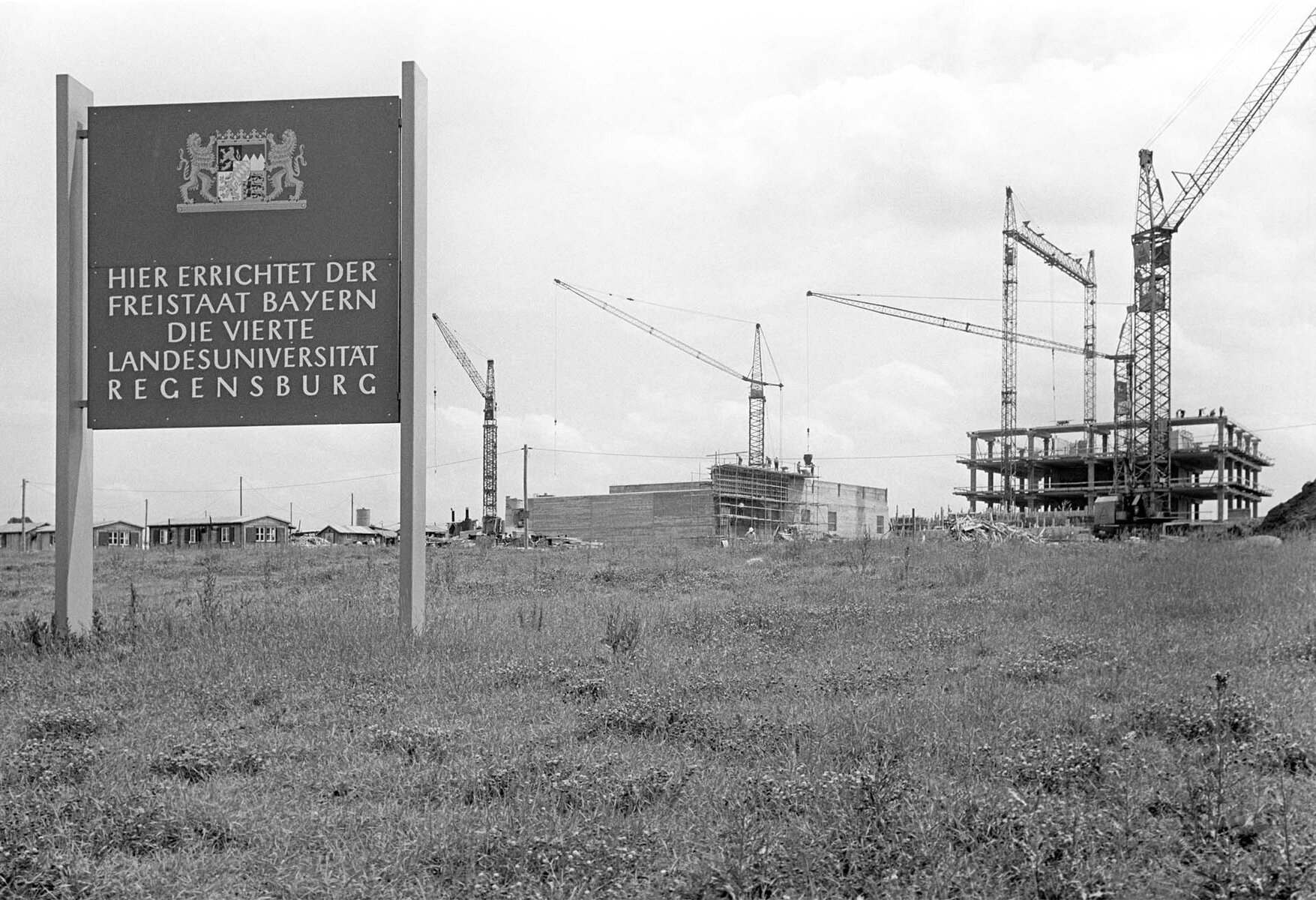
On 18 July 1962, the University of Regensburg was founded by resolution of the Bavarian State Parliament.
Duke Albrecht IV of Bavaria had already had the idea of founding a university in Regensburg in the 15th century: However, his efforts to found a university in the city on the Danube failed due to political circumstances. A second attempt shortly after the Second World War also came to nothing due to Bavaria's financially strained situation.
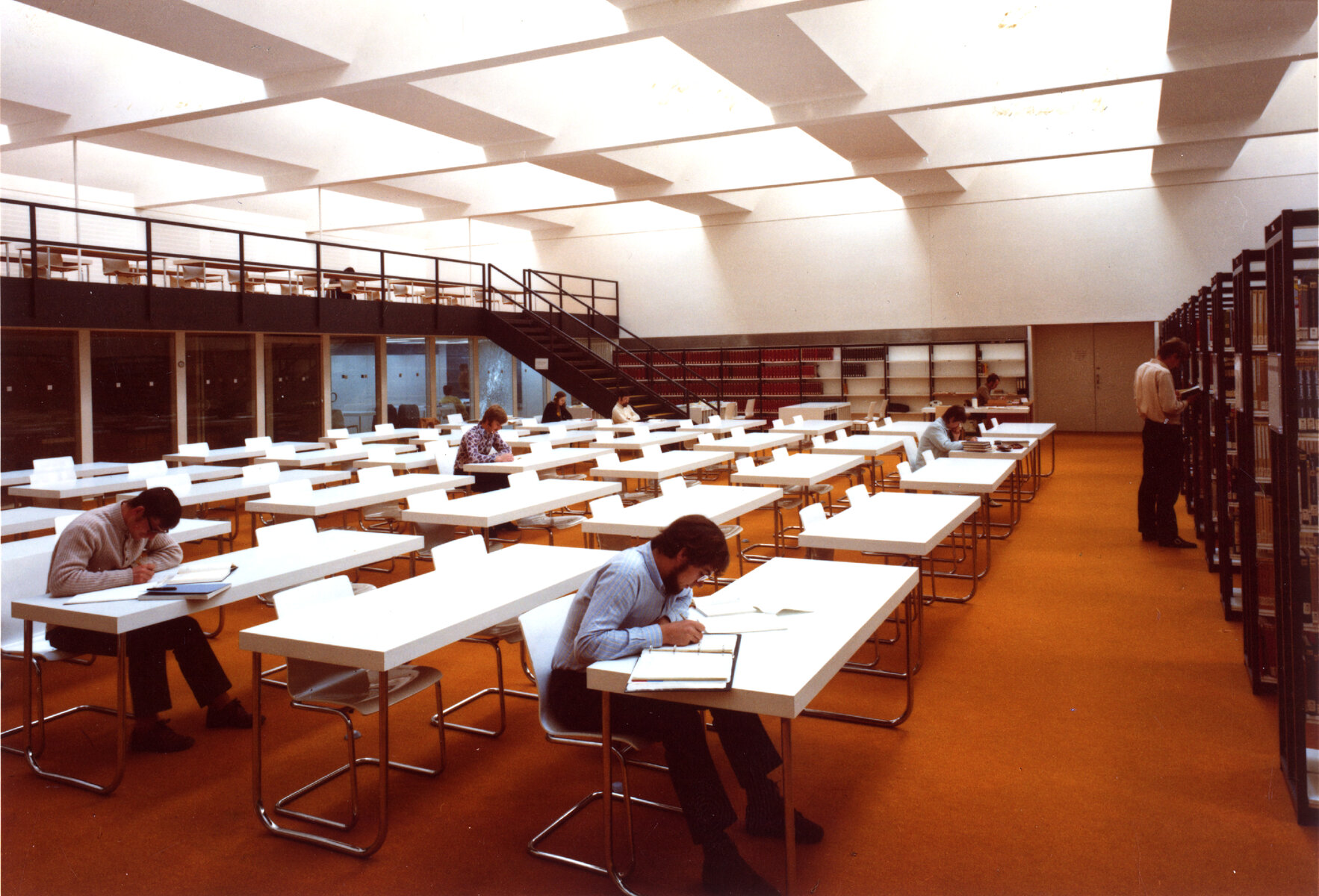
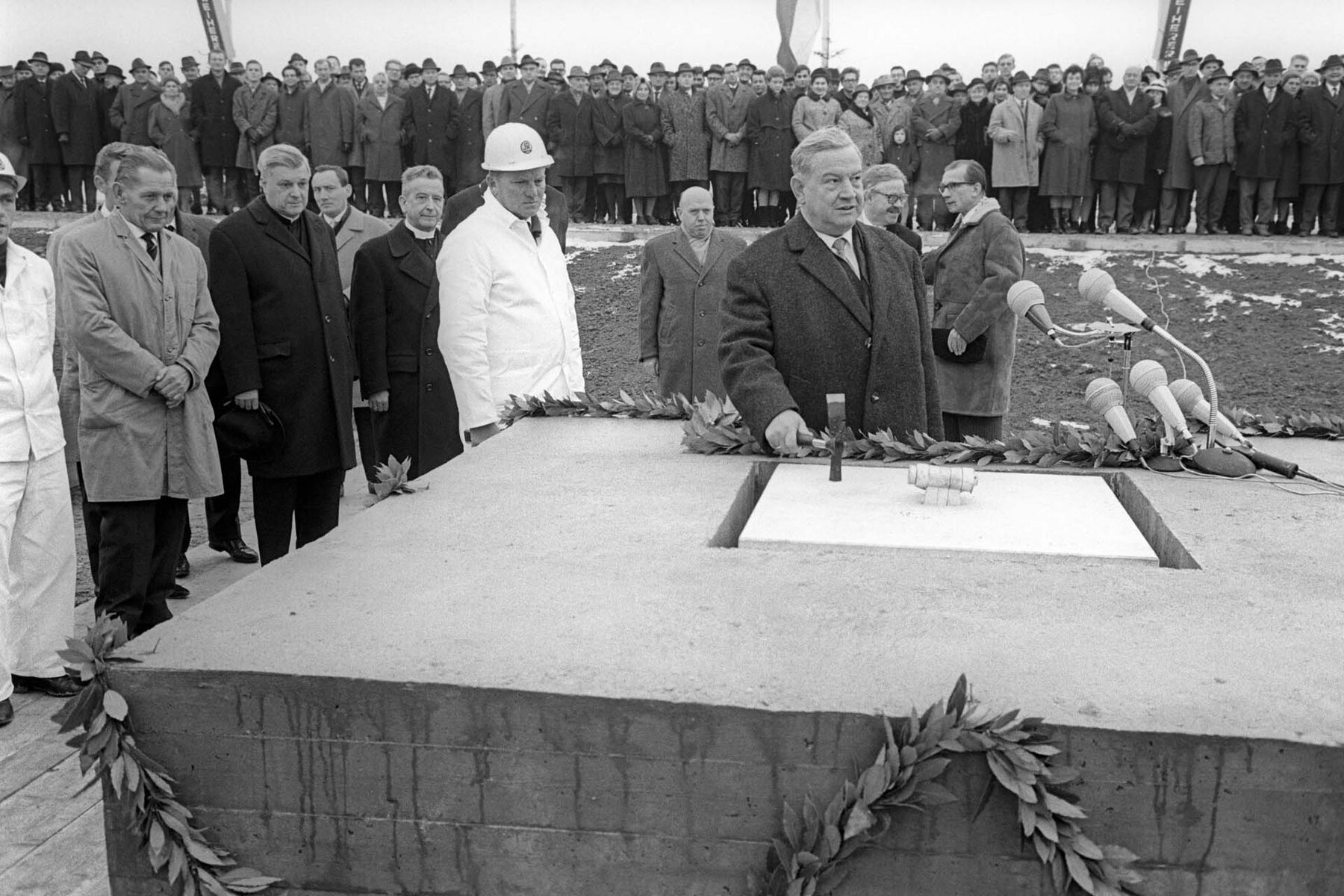
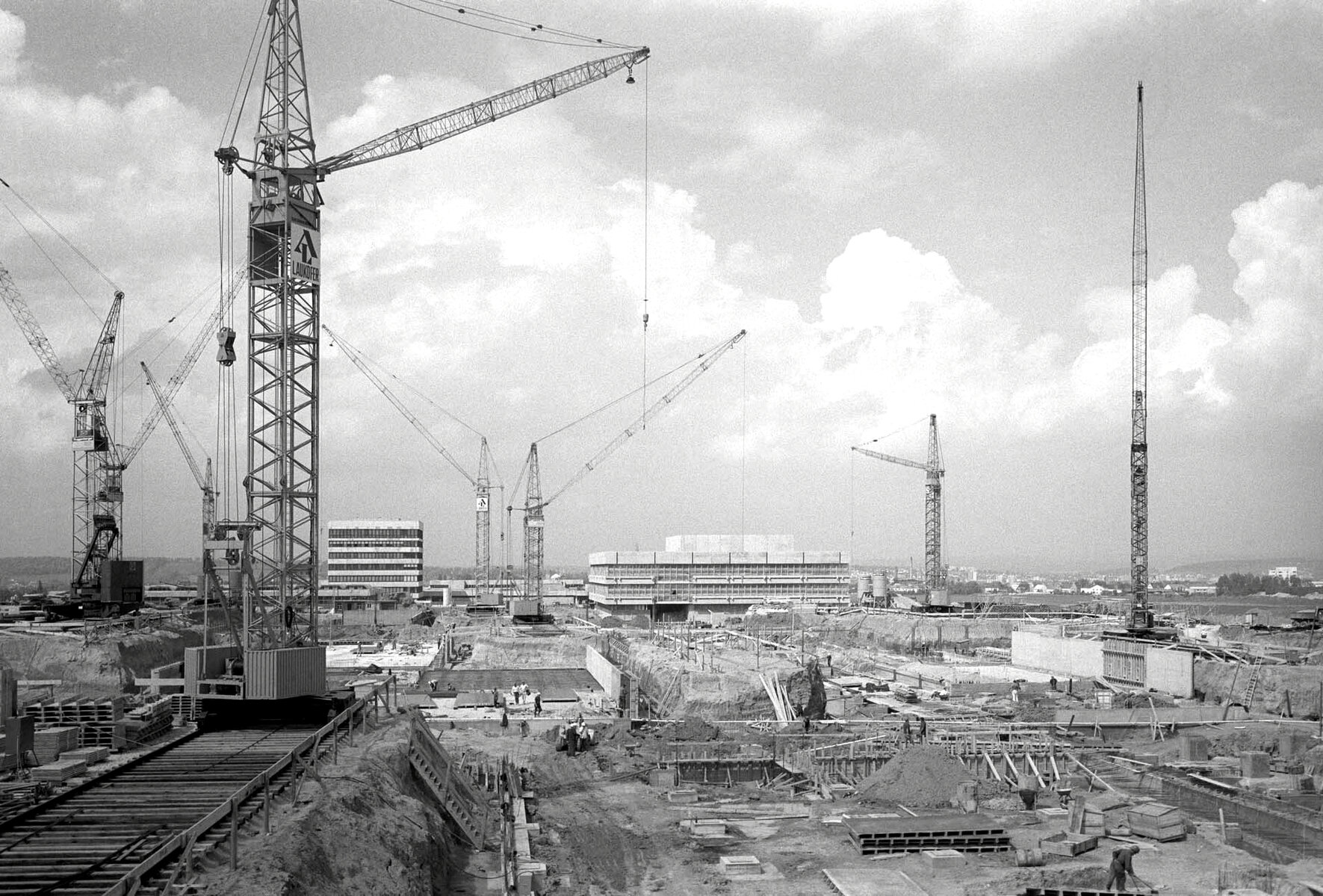
The joint efforts of the city of Regensburg, the region and the university association founded in 1948 were finally successful. Following the state parliament's decision, the construction of the university began in the mid-1960s: the university library began operations in April 1964; the foundation stone for the collection building was laid in November 1965; the provisional statutes of the University of Regensburg finally came into force in 1967 and Prof Dr Franz Mayer was elected as the first rector, or president.
The first Winter Semester: 1967/68
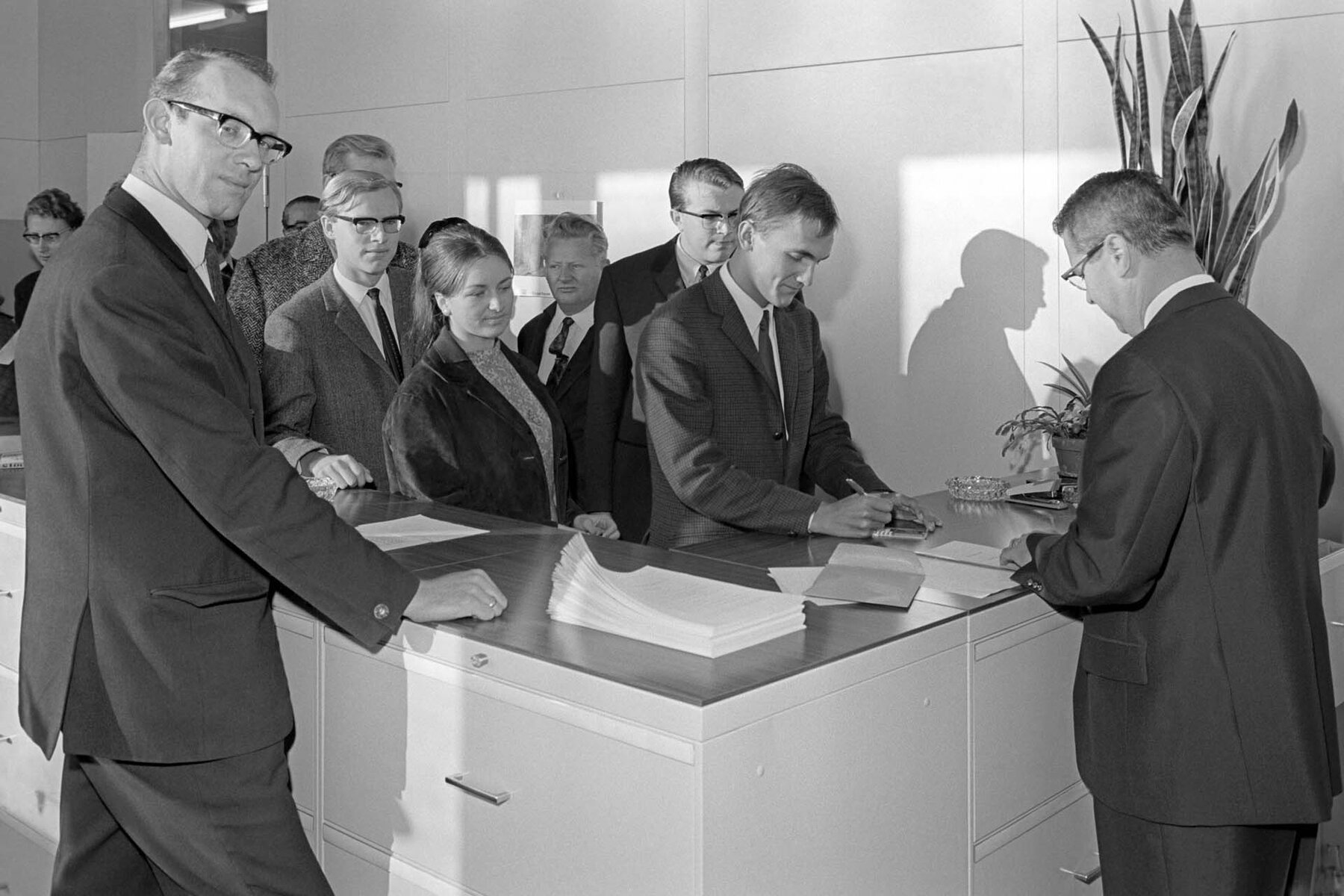
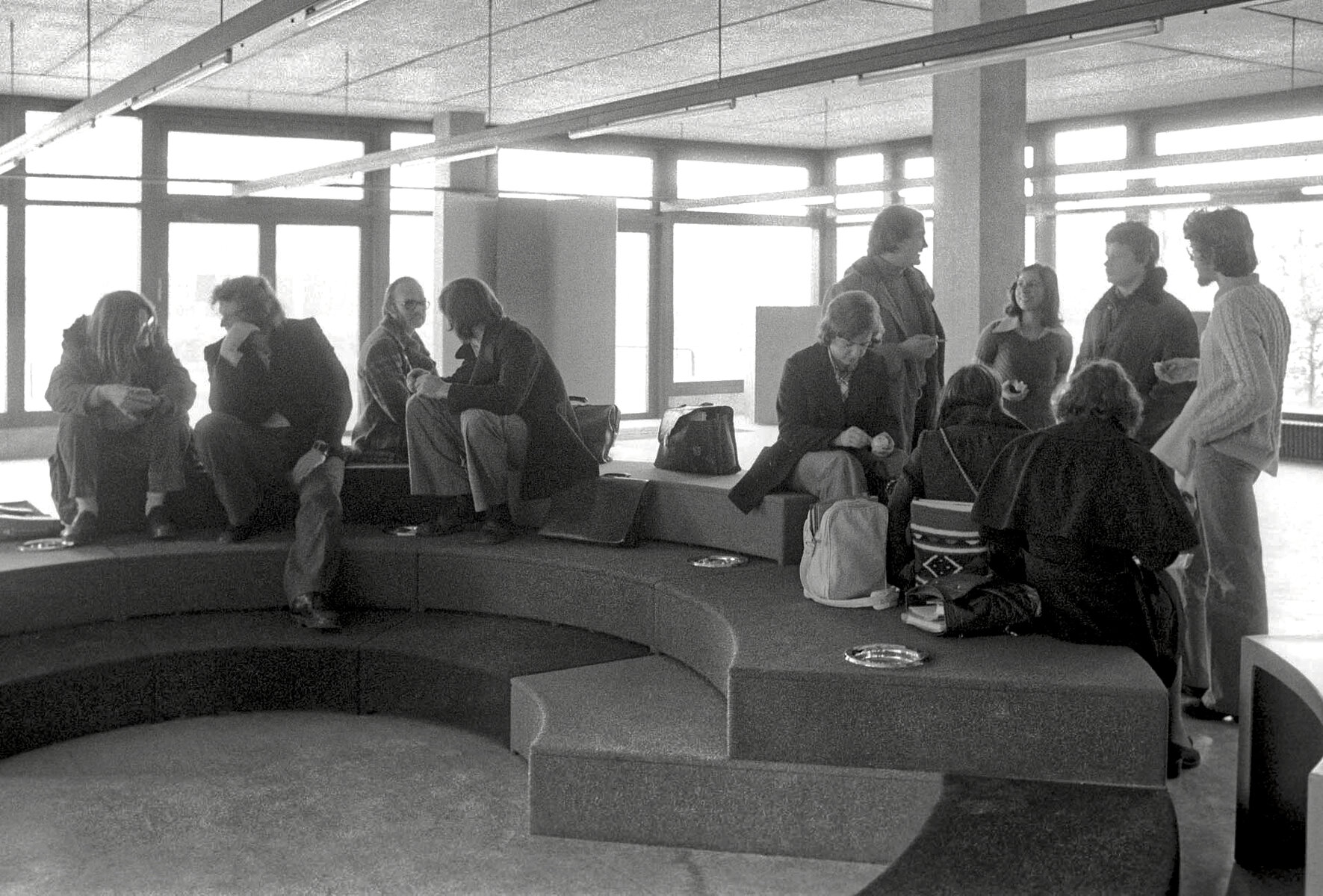
On 6 November 1967, teaching began on campus with 35 professors and 661 students. In this first winter semester of 1967/68, the university had three faculties: The Faculty of Law and Economics, the Faculty of Philosophy and the Faculty of Catholic Theology. In the winter semester of 1968/69, the natural sciences were added as a further faculty, and in the summer of 1972, the Regensburg University of Education was integrated into the university.
Structural Extensions to the Campus
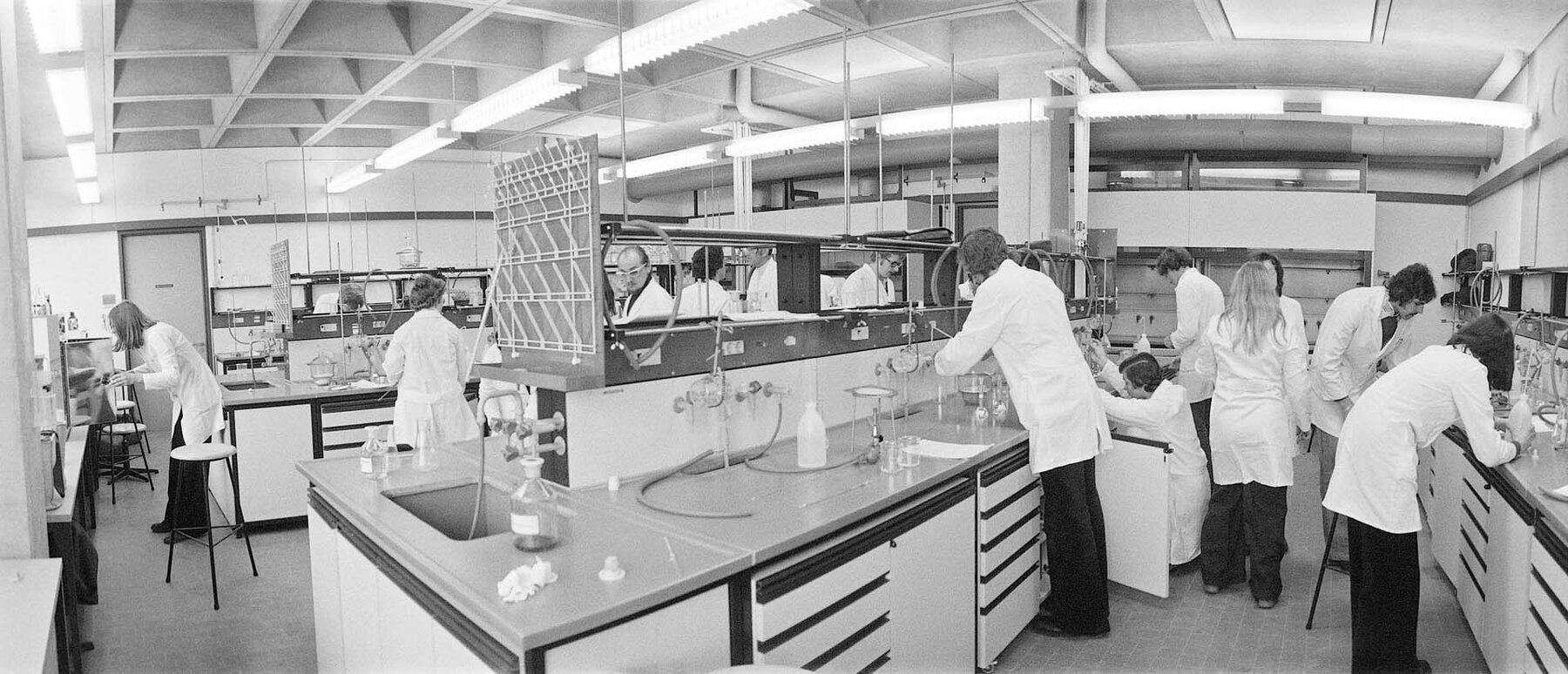
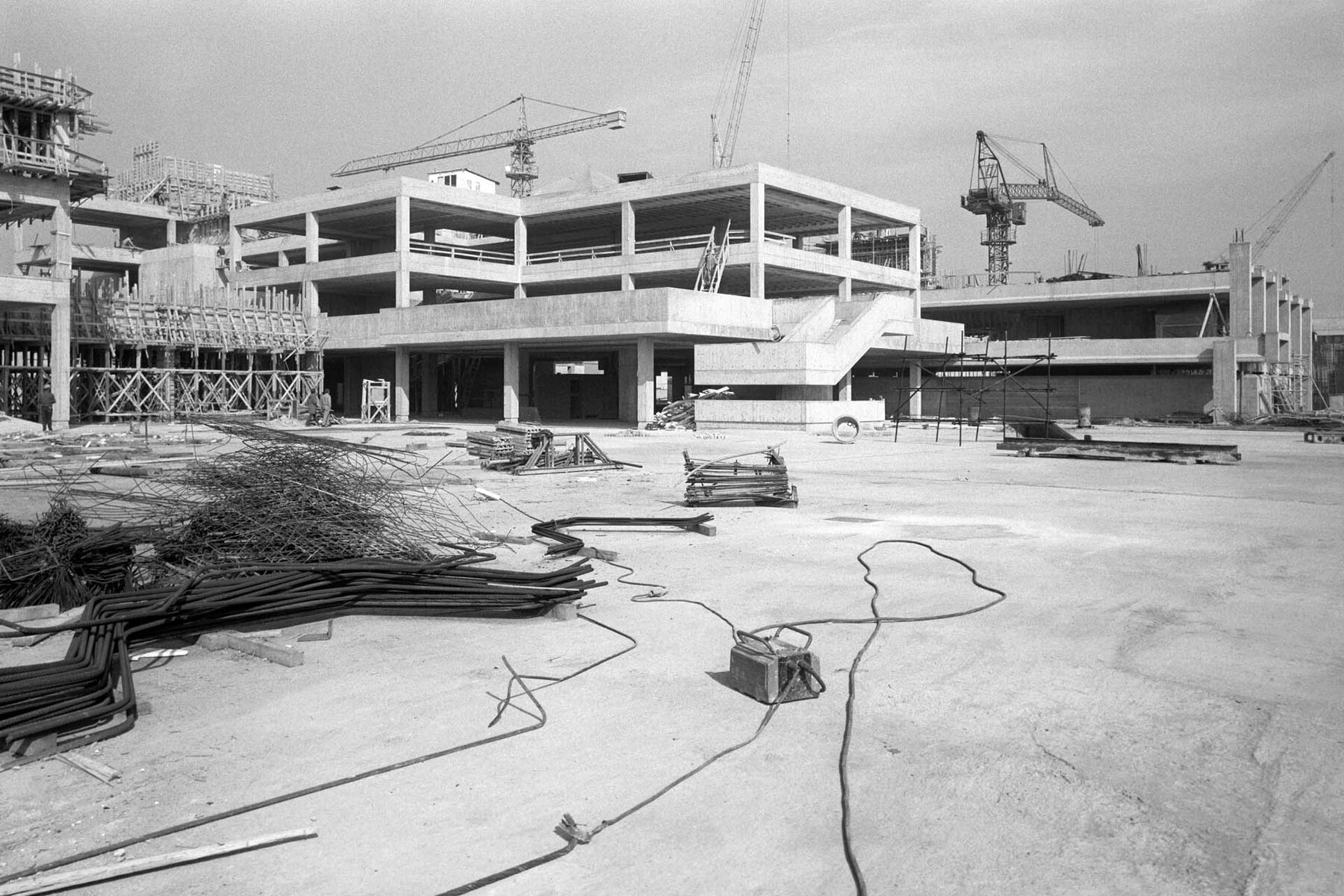
As the university grew structurally, the campus was also expanded. Following the completion of the main building in 1967, the cafeteria was also put into operation in 1968. A year later, the buildings of the Faculty of Law and Economics and the Faculty of Mathematics were added. In the 1970s, all other faculty and administrative buildings, the sports facilities, the underground car parks, the central lecture hall building, the central library and the Computer Center followed. The Chemistry Building was completed and put into operation in 1978 as the last building component for the time being.
Refurbishment and new buildings after the turn of the millennium
The structural expansion of the campus was only continued on a large scale in the new millennium: in 2011, the newly constructed Vielberth building to the north of the "Business & Law" building section was put into operation. In the same year, the foundation stone was laid for the alternative Natural Sciences West building. In late summer 2012, work on the Central Bus Stop for the university was completed. In the summer semester of 2014, the Faculty of Biology and Preclinical Medicine was able to move into its new departmental building.
Both the Vielberth building and the central bus stop have been honoured with architectural awards. Back in 1975, the Association of German Architects honoured the university's forum with the "BDA Prize of Bavaria". More information on the architecture prizes awarded to the UR.
In 2018, extensive construction and renovation work began at the University of Regensburg, including the renovation of the University Forum and the underground car parks.
Construction of the Regensburg Centre for Ultrafast Nanoscopy (RUN), the university's first research building to receive funding under Article 91b of the German Basic Law, began at the start of 2021. The UR celebrated the topping-out ceremony on 17 October 2022 and the RUN was inaugurated in May 2024. The complex laboratory building for ultra-high-resolution and ultra-fast microscopy to the south of the Chemistry Building provides space for over 20 natural sciences research groups. The building consists of two separate structures: an underground precision laboratory for sensitive measuring systems and an above-ground office and laboratory wing. This division into two parts fulfils the high requirements for vibration protection and shielding from stray magnetic fields.
Another research building funded under Article 91b of the Basic Law is the Centre for Immunomedicine in Transplantation and Oncology, or CITO for short. Construction work began in summer 2025 on the grounds of the University Hospital Regensburg. With its core facilities and customised technology platforms, the CITO creates infrastructure for research projects in the field of immunomedicine.
In May 2025, the university celebrated the topping-out ceremony for the new scientific workshops. The building complex in the south-east of the campus brings together the research workshops of the Faculties of Biology and Preclinical Medicine and Physics under one roof. It also houses the workshops and storage areas of the Department of Maintenance Services, the central goods receiving centre with a 24/7 packing station as well as training and social rooms. The central consolidation of previously decentralised areas is intended to create synergy effects, shorten distances and facilitate operational coordination. Completion of the workshops is planned for the end of 2026.
The university celebrated another topping-out ceremony in October 2025: the new preclinical centre is being built on the site of the demolished biology building as part of the university's general refurbishment. It is divided into six buildings with two to three storeys and will include a central hall, known as the Magistrale. The roof surfaces will be greened and a photovoltaic system will also be installed. The building is expected to be completed in 2028.
Developments in Research and Teaching
From the very beginning, the University of Regensburg has focussed on research and research-based teaching and has thus developed into the largest and best-performing university in Eastern Bavaria.
In January 2017, the Institute for East and South East European Studies (IOS) , an affiliated institute of the University of Regensburg, was accepted into the renowned Leibniz Association as a Leibniz Institute. Among other things, the institute specialises in Southeast Europe and the countries of the former Soviet Union from a historical and economic perspective.
In 2018, "Beyond Canon_" became the first Centre for Advanced Studies funded by the German Research Foundation (DFG) at a Faculty of Theology and the first research group at the University of Regensburg. in 2022, the DFG decided to support "Beyond Canon_" in a second funding period until 2026.
in 2019, the UR took the top spot among German universities in the Nature Index and Prof Dr Rupert Huber from the Chair of Experimental and Applied Physics received the DFG's Gottfried Wilhelm Leibniz Prize.
On 1 September 2019, the Leibniz ScienceCampus "Europe and America in the Modern World. Transformations and Frictions of Globalization in the Past and Present" began its activities with the aim of researching regions on both sides of the Atlantic and their relationships with each other. in 2024, the Senate of the Leibniz Association approved further funding for the ScienceCampus for four years.
In March 2020, a twelfth faculty was founded at the University of Regensburg with the new Faculty of Informatics and Data Science. The new faculty was generously endowed by the Free State of Bavaria (Freistaat Bayern) with permanent positions and funding. The establishment of this faculty represents the university's largest structural project since the establishment of medicine 30 years ago.
The Green Office, established on campus in 2020, began its work on 1 May 2021 and, in cooperation with committed students, developed a sustainability concept for the University of Regensburg in the second half of 2022. This is also an important step for President Hebel: "Strengthening our commitment to sustainability is one of the most important tasks for all of us. We want and need to do even more for sustainability at the University of Regensburg."
On 1 January 2022, the former Regensburg Center for Interventional Immunology (RCI) - now known as the Leibniz Institute for Immunotherapy (LIT) - was officially accepted into the Leibniz Association.
Based on a cooperation between the University of Regensburg and the Flossenbürg Concentration Camp Memorial, the Zentrum Erinnerungskultur was founded in December 2020. The centre celebrated its official opening in 2022. The cooperation project sees itself as a scientific and discursive forum for the examination and critical reflection of historical and contemporary cultures of remembrance and promotes interdisciplinary remembrance research.
in 2022, the University of Regensburg was awarded the contract by the Bavarian state government for its concept for the establishment of the Medical Campus Lower Bavaria (MCN), which is geared towards the need for doctors in the region. As a result, 110 new study places in medicine will be available from the winter semester 2024/25.
The Bavarian Ministry of Science selected the philosopher Prof. Dr Julie Casteigt in 2024 in the "Distinguished Professorship" funding line of the Bavarian top professorship programme. Professor Casteigt impressed the jury with her innovative studies on Meister Eckhart, Albert the Great and the medieval commentaries on the Gospel of John, in which she presented pioneering approaches for a new understanding of these texts.
in 2025, the German Research Foundation (DFG) approved funding for the joint Cluster of Excellence "Center for Chiral Electronics" (CCE) of the University of Regensburg, Martin Luther University Halle-Wittenberg, Freie Universität Berlin and the Max Planck Institute of Microstructure Physics in Halle. The cluster was launched in January 2026 and will initially run for seven years. The aim of the research cooperation is to develop innovative concepts for energy-efficient and high-performance electronics - based on the hitherto little-used property of chirality.
In January 2026, the University of Regensburg has four Collaborative Research Centres / Transregios funded by the German Research Foundation (DFG) as well as four DFG-funded Research Training Groups and elevenERC Grants from the European Research Council.