


Latency in human-computer systems
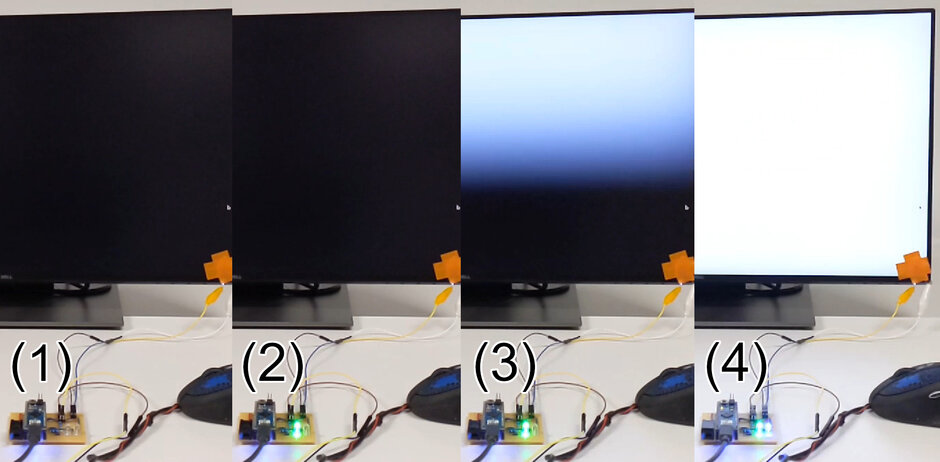
Due to time delays in input, processing and output, every interaction between humans and computers is affected by latency.
As interaction takes place as a continuous feedback loop between user input and system response, even small delays can impair the entire interaction process and thus lead to reduced performance and user experience.
Our research focuses on the effects of latency on users in various usage contexts, compensation strategies to counteract latency, and the measurement and modelling of latency in interactive systems.
Contact:
Andreas Schmid
Dr Raphael Wimmer
Methods in Human–Computer Interaction
The question of which methods can be used to develop usable systems that deliver a positiveuser experience is one of the core issues in human-computer interaction. The Department of Media Informatics at the University of Regensburg focuses, amongst other things,
- with issues relating to the selection, evaluation and further development of suitable methods for usability engineering anduser-centreddesign (Lamm & Wolff, 2021; Henze et al., 2023),
- the role of specific characteristics of the target group or users (e.g. age, gender, personality, experience) (Schmidt & Wolff, 2015; Schmidt, Wittmann & Wolff, 2019),
- with the challenges arising from new technical contexts (mobile systems, the use of AI, virtual and augmented reality) (Emmert et al., 2024) and with
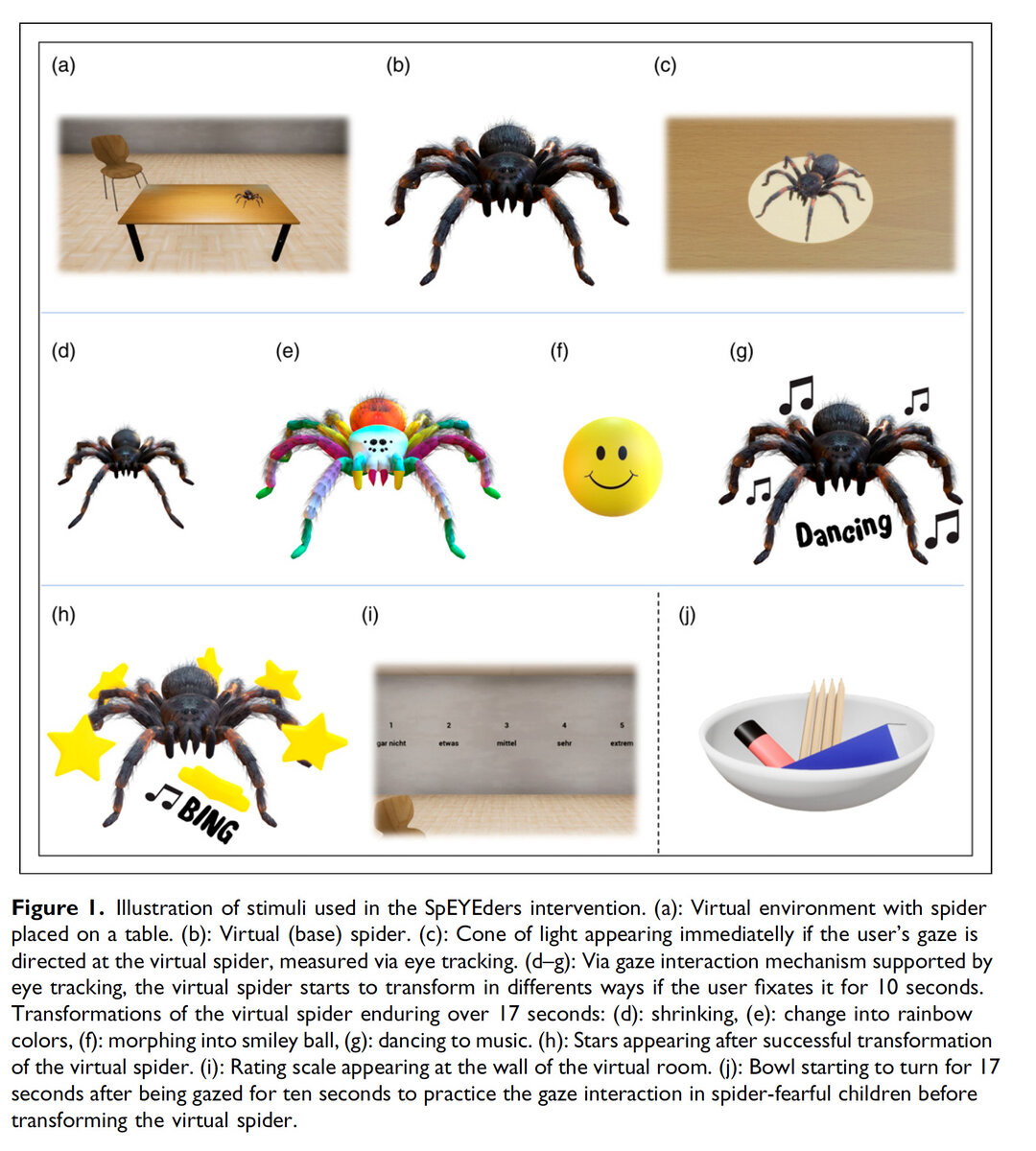
- specific, concrete use cases, e.g. in legal informatics (Sautmann & Wolff, 2025) or in collaboration with colleagues in psychology and psychotherapy (Dechant et al., 2017, Wechsler et al., 2024).
Funded projects
- moDino (2009–2011)
- Smart TV / Second Screen (2015–2018)
- Basisdokument (since 2021, funding 2023–2024)
Contact
Martina Emmert
Thomas Schmidt
Christian Wolff
References
Dechant, M., Trimpl, S., Wolff, C., Mühlberger, A., & Shiban, Y. (2017). The potential of virtual reality as a diagnostic tool for social anxiety: A pilot study. Computers in Human Behaviour, 76, 128–134. https://doi.org/10.1016/j.chb.2017.07.005 (external link, opens in a new window)
Emmert, M., Schönwerth, N., Schmid, A., Wolff, C., & Wimmer, R. (2024). I’ve Got the Data in My Pocket! - Exploring Interaction Techniques with Everyday Objects for Cross-Device Data Transfer. Proceedings of Mensch und Computer 2024, Karlsruhe, Germany. https://doi.org/10.1145/3670653.3670778 (external link, opens in a new window)
Henze, N., Bogon, J., Wimmer, R., & Wolff, C. (2023). Ubiquitous Human–Machine Interaction: Development, Research and Infrastructure in Media Informatics. A Look at Science: Research Magazine of the University of Regensburg, 31(44/45), 54–59. https://doi.org/10.5283/bidw.v31i44/45 (external link, opens in a new window)
Lamm, L., & Wolff, C. (2021). GCS: A Quick and Dirty Guideline Compliance Scale. Journal of Usability Studies, 16(3). https://dl.acm.org/doi/10.5555/3532758.3532761 (external link, opens in a new window)
Sautmann, M., & Wolff, C. (2025). Evaluating real-world laboratories: experiences from a digitalisation project in the legal sector. In M. Eibl (Ed.), Data streams and cultural oases — Information science as a link between information worlds. Proceedings of the 18th International Symposium on Information Science (ISI 2025), Chemnitz, Germany, 18–20 March 2025 (pp. 122–149). Werner Hülsbusch Publishers. https://doi.org/10.5281/zenodo.14925608 (external link, opens in a new window)
Schmidt, T., Wittmann, V., & Wolff, C. (2019). The Influence of Participants’ Personality on Quantitative and Qualitative Metrics in Usability Testing Mensch und Computer 2019, Hamburg, doi.org/10.1145/3340764.3340787.
Schmidt, T., & Wolff, C. (2015). Gender-specific differences in information behaviour using e-commerce as an example. Information – Wissenschaft & Praxis, 66(1), 65–76. https://doi.org/10.1515/iwp-2015-0010 (external link, opens in a new window)
Wechsler, T. F., Kocur, M., Schumacher, S., Rubenbauer, M., Ruider, A., Brockelmann, M., Lankes, M., Wolff, C., & Mühlberger, A. (2024). Looking fear in the eye: Gamified virtual reality exposure to spiders for children using attention-based feedback. Clinical Child Psychology and Psychiatry, 29(3), 1121–1136. https://doi.org/10.1177/13591045231194103 (external link, opens in a new window)