


Course: Molecular Medicine M.Sc.
- Medicine
Molecular medicine combines medicine with biology. Students connect theoretical knowledge from medicine with scientific skills from biology and other life sciences. General information (for interested applicants) can be found here on this page. Current information (such as internship offers for enrolled students) can be found on the
The most important facts at a glance
Program Profile
The degree programme is located between medicine and biology. Students connect theoretical knowledge from medicine with scientific skills from biology and other life sciences. After graduating from the Master's degree programme in molecular medicine, you can pursue a career as a scientist in university research (PhD), in industry and in private laboratories.
Is this the right program for me?
Are you interested in the development of diseases? Do you find biomedical research exciting? Have you already completed a Bachelor's degree in molecular medicine, biomedicine or a related degree programme? Then apply and deepen your knowledge of medicine and your skills in the many different laboratory internships.
What makes this program special?
The curriculum is research-orientated. You choose at least seven internships individually from a range of options.
What can I do with this degree?
After graduating from the Master's degree programme in Molecular Medicine, you can pursue a career in university research (PhD), industry and private laboratories, among others.
Impressions
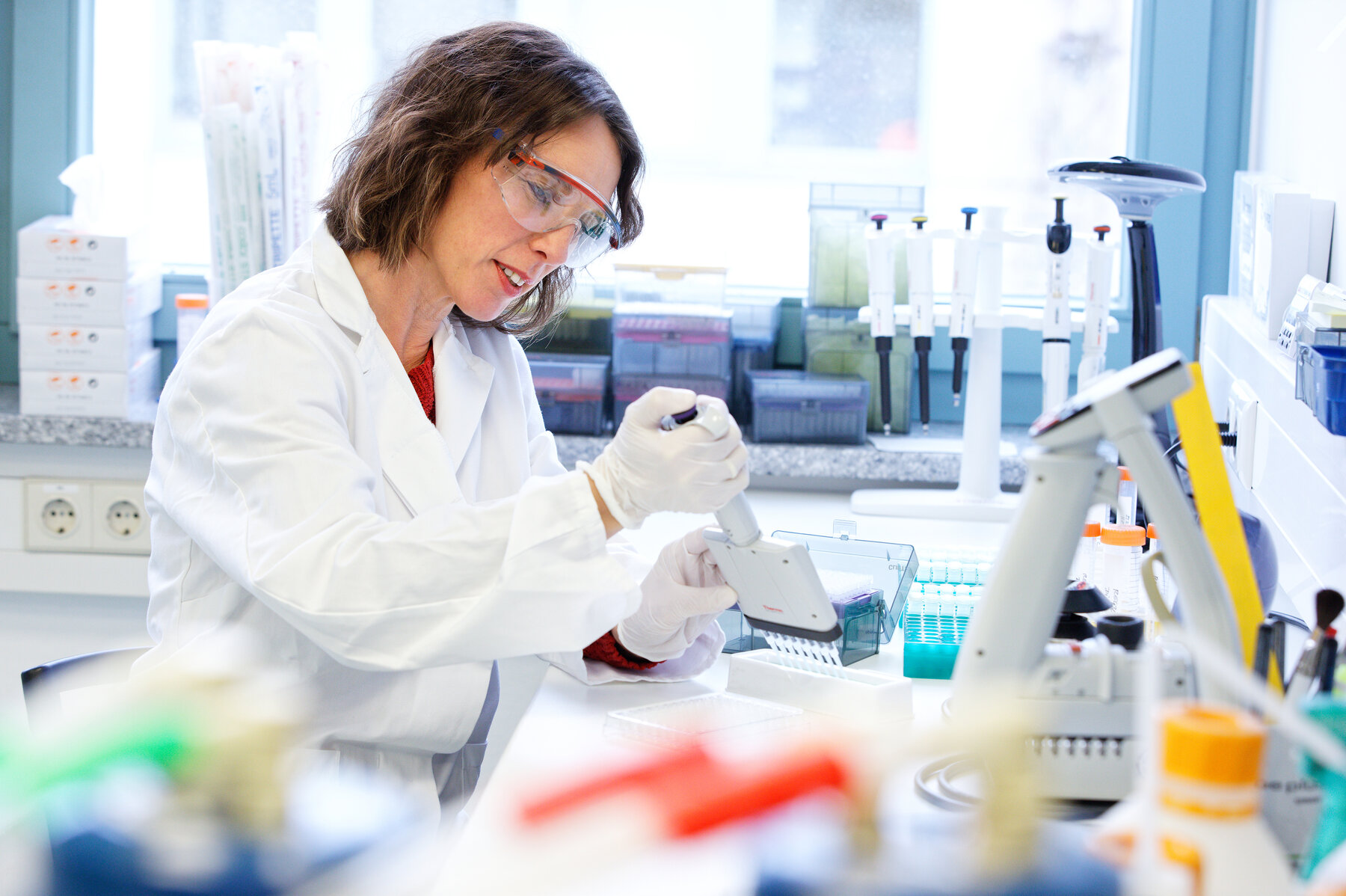
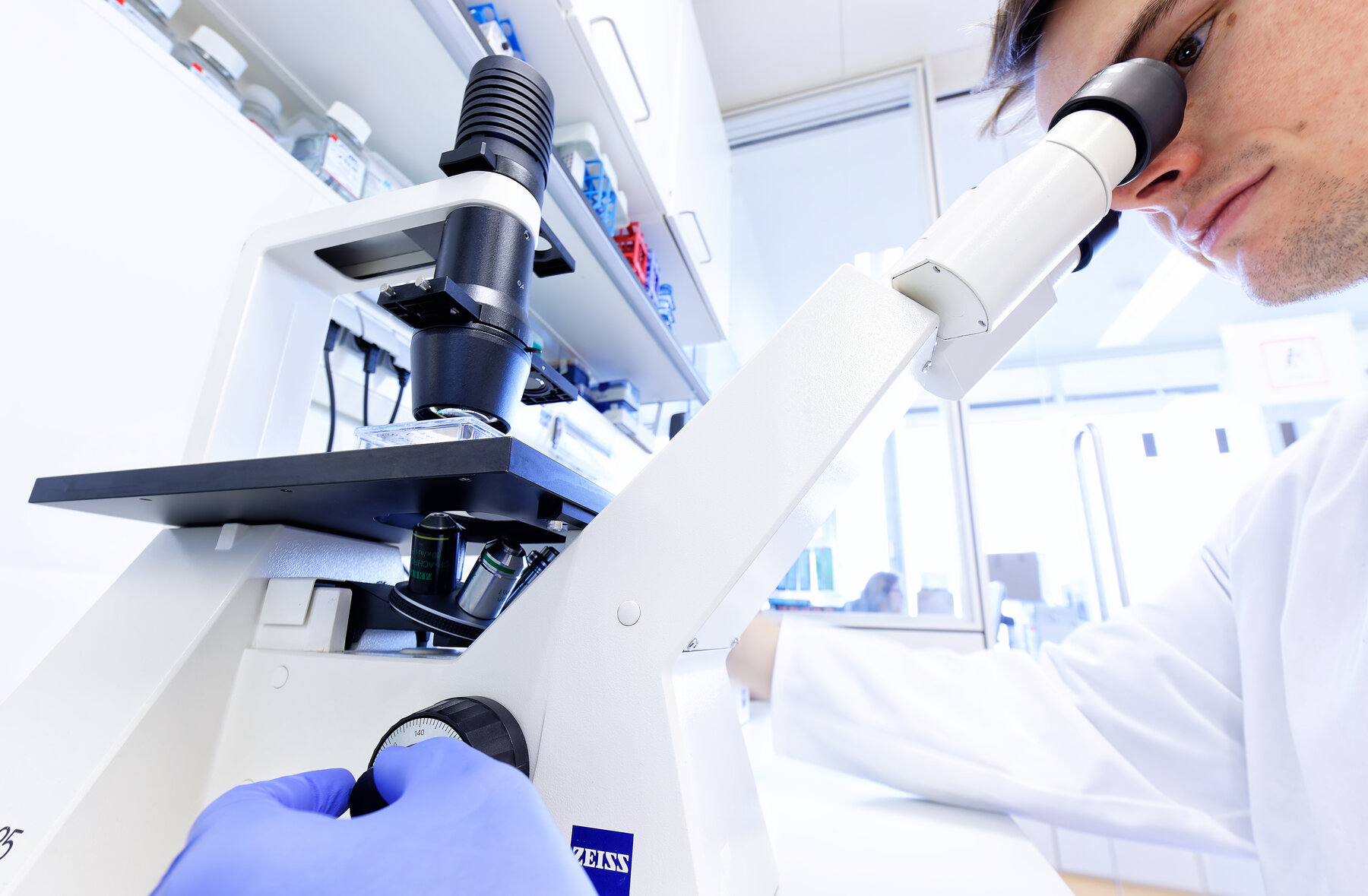
Structure of the Program
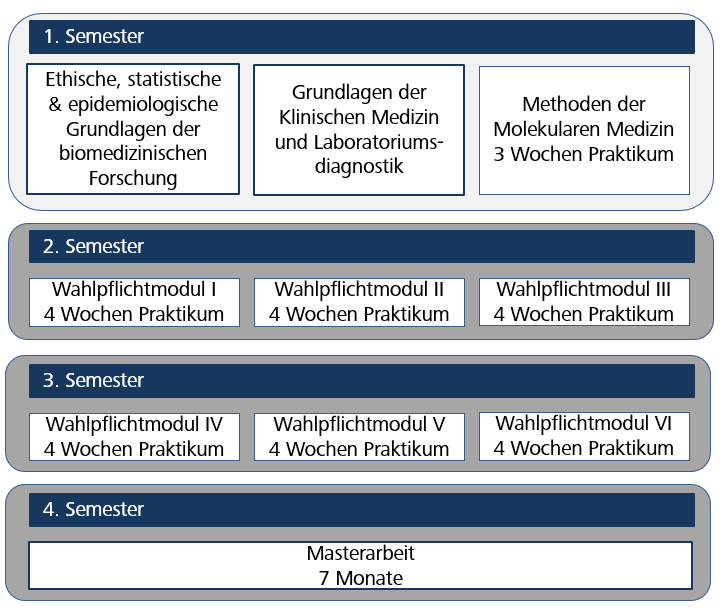
The Master's degree programme in molecular medicine is usually completed in four semesters. The second and third semesters in particular focus on internships with individual supervision, which lead to a sound education in modern methods of biomedical research. The content of the Master's programme is deepened in the fourth semester through the completion of a Master's thesis with a biomedical focus.
Program Structure
On the Master's degree programme in Molecular Medicine, you choose from over 20 different constrained elective modules, six of which correspond to your individual interests. Each constrained elective module consists of a four-week Full-time individual internship in a scientific working group as well as accompanying courses. The lectures and seminars as well as the methods internship in the first semester prepare you for these intensive internships. In the fourth semester, you can realise your own project in the Master's thesis.
Study Plans
Sample Timetable
In the first semester, you will deepen your knowledge of clinical pictures, clinical chemistry, epidemiology and biostatistics in block lectures. You will learn more about clinical research and programming languages in block seminars. A first individual internship focussing on methods is also planned. In the second and third semesters, you will spend four weeks each in six research laboratories working on your individual projects. In the fourth semester, you can put your knowledge and skills to the test in a Master's thesis in biomedical research.
Internationalization
Stays abroad can be easily integrated into your Study Plan from the second semester onwards. You can find tips and experience reports from other students on the homepage.
Internship
The Master's degree programme includes seven internships and a practical Master's thesis. You may request and have further (also external) internships recognised.
Student Life & Services
 Foto: UR / Julia Dragan
Requirements
| Admission Restrictions / Selection Procedure | no |
| Pre-registration procedure | no |
| Eligibility Test / Aptitude Test | yes |
| Placement Test | no |
| Subject-Specific Language Requirements | no |
| German Language Certificate for Students with Foreign University Entrance Qualification | yes |
| Other Requirements | no |
Binding information and current information can be found in the brief overview (German version) (opens in a new window). (This PDF is not accessible) of the Registrar's Office or in the examination regulations applicable to you Examination Regulations.
Admission, Application and Enrollment

Academic Advising
Course-related information and advice
If you have any questions about the programme content, the subject-specific requirements, the application procedure and the specific structure of the programme, please contact the
General Student Advisory Service
The General Student Advisory Service (ZSB) supports you with all questions relating to your studies - from the decision to study, to the course of studies, right through to successful graduation.
If necessary, the ZSB will refer you to the appropriate contact person.