

Course: Science and technology - Primary school teaching degree
- Biology and Pre-Clinical Medicine
- Chemistry and Pharmacy
- Physics
The Bavarian teacher training programme is divided into an academic course of study at the university, which ends with the first state examination, and a two-year preparatory service, which concludes with the second state examination. The university degree programme for a teaching degree at primary schools consists of
- a teaching subject,
- the didactics of primary school teaching,
- the education programme and
- the Internships.
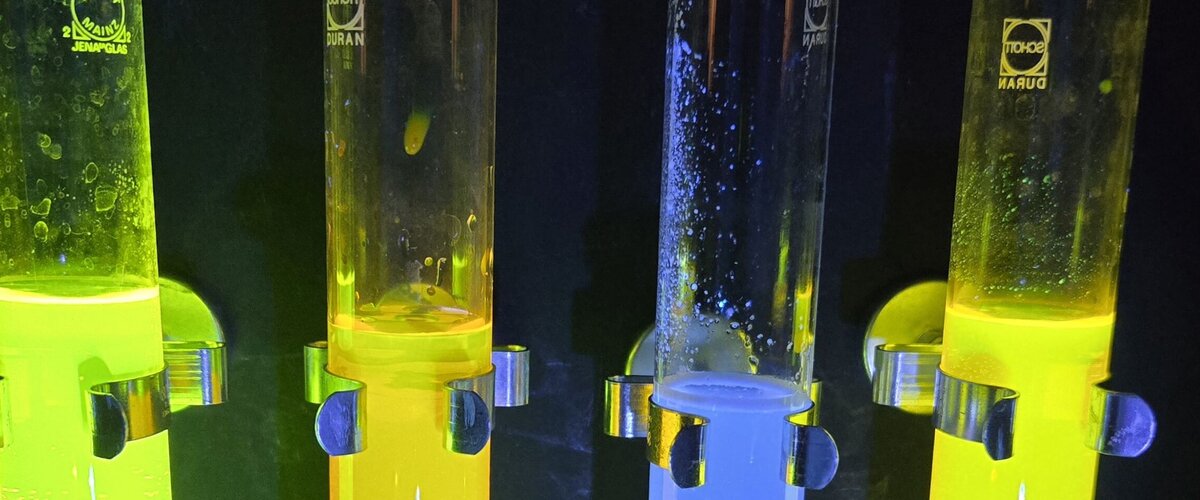
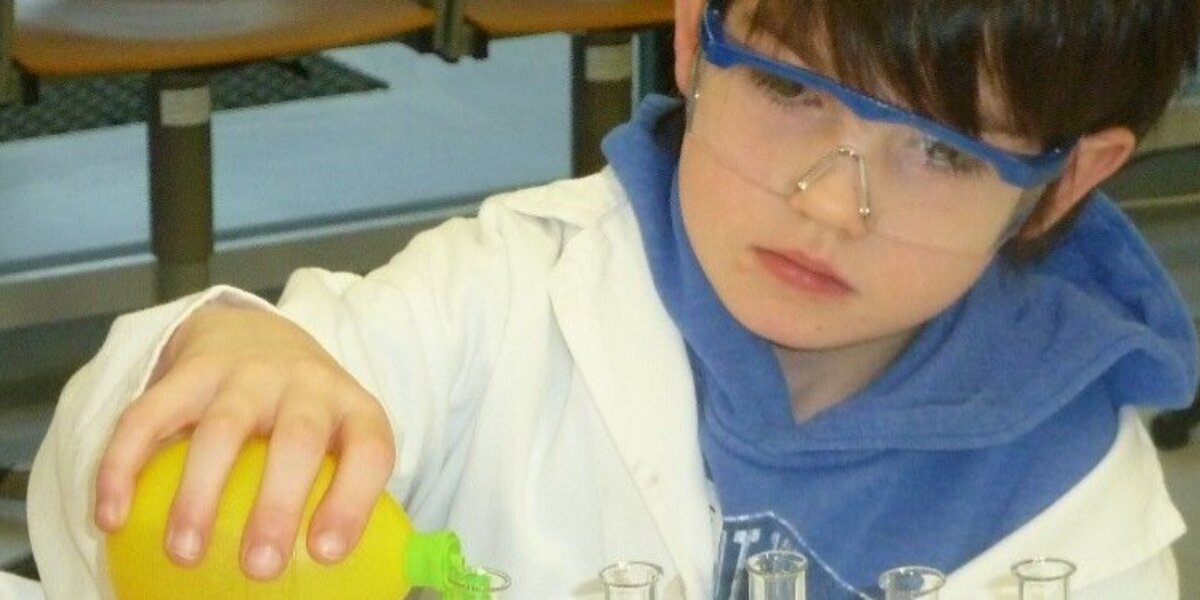
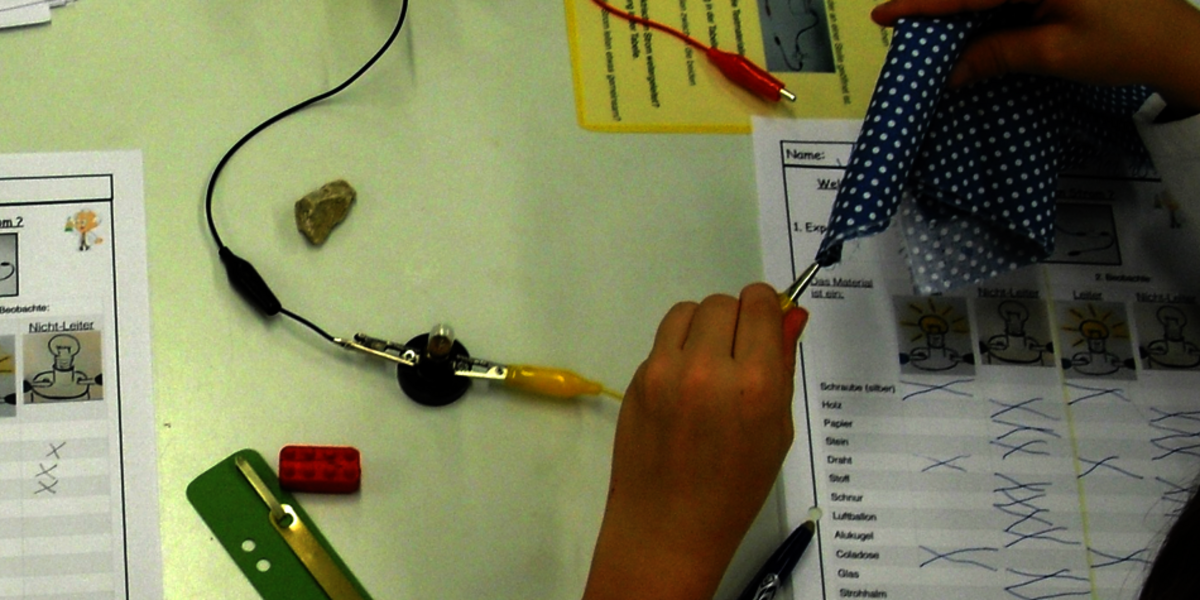
In addition to the scientific and didactic basics of biology, chemistry, physics and technology, the science and technology didactics programme primarily teaches interdisciplinary and application-related content. The integrated approach provides solid preparation for the interdisciplinary subject areas in the primary school curriculum. The focus on action is reflected in the preparation, execution and evaluation of experiments, working with models and other methods appropriate to the subject and pupils. In addition, it is possible to gain experience in science and technology teaching work with pupils during the degree programme and to acquire diagnostic skills.
The most important facts at a glance
Program Profile
Is this the right program for me?
Do you enjoy imparting knowledge, do you like working with children or young people and do you have patience and empathy? Then a teacher training programme could be ideal for you! Enthusiasm for your subjects, strong communication skills and the ability to explain complex content in an understandable way are particularly important. You should also be willing to continuously develop your skills and master the challenges of everyday school life.
Here are some self-assessment questionnaires to help you make your decision:
Self-exploration - Career Counselling for Teachers (external link, opens in a new window)
Being a teacher - a career for me? (external link, opens in a new window) - The teaching degree in Bavaria
Self-exploration programme (external link, opens in a new window) of the LMU
What makes this program special?
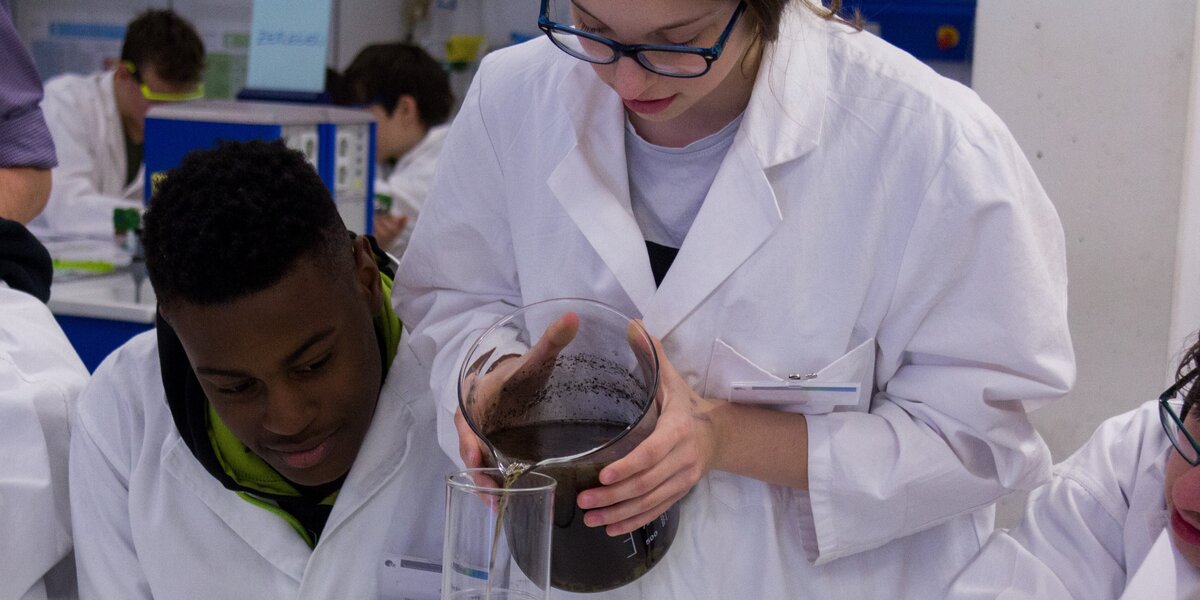
The didactics subject science and technology is characterised by the fact that both subject knowledge and didactics are taught in all sub-disciplines. This is combined from the outset in so-called theory-practice seminars and across all school types. Due to the high proportion of experimentation, the courses take place in small groups. Interdisciplinary topics and close cooperation with pupils in our own teaching and learning laboratory also prepare you for the school subject of home and subject teaching (HSU).
What can I do with this degree?
Students acquire methodological skills in natural sciences thinking and working methods during their didactics studies.
The teaching degree programme at primary schools prepares students for their future work as teachers. In addition to social skills, students acquire in particular the ability to present complicated subject content in such a way that it is clear and understandable while remaining technically correct. Motivational aspects and the appealing design of (teaching) materials also play an important role. This opens up the possibility of working in the relevant media industry (publishing houses, radio and television stations, etc.) as well as in extracurricular educational institutions (museums, science centres, etc.).
Structure of the Program
Program Structure
In the didactics of primary school teaching degree programme, you will study a teaching subject, primary school education and didactics, three didactics subjects and education (school education, general educational psychology and psychology). You will learn how to apply your theoretical knowledge in everyday school life through various internships during your studies.
The possible subject and didactics combinations can be found in the list of possible combinations (German version) (external link, opens in a new window).
The teaching degree information brochure (German version) (opens in a new window). (This PDF is not accessible) provides a more in-depth insight into the teaching degree programme.
Module 1: Teaching of basic scientific and didactics knowledge in the sub-disciplines of biology, chemistry and physics. This is combined from the beginning in so-called theory-practice seminars as well as across school types.
Module 2: Interdisciplinary seminars with different thematic focuses and with the addition of technical aspects.
Module 3: In-depth study of individual relevant topics in the sub-areas. Lesson testing through close cooperation with pupils in our own teaching-learning laboratory in preparation for the school subject of home and subject teaching (HSU).
Module Overview
Internship
Various internships must be completed as part of the primary school teaching degree programme:
Internship office (German version) (external link, opens in a new window)
Student Life & Services
- Discover Regensburg
- Student Life
- Housing in Regensburg
- Study Costs
- Student Council for Teacher Education (German version) (external link, opens in a new window)
- Universität Regensburg Teacher Education Centre (German version) (external link, opens in a new window)
- Study Abroad / International Studies

Requirements
| Admission Restrictions / Selection Procedure | yes |
| Pre-registration procedure | no |
| Eligibility Test / Aptitude Test | no |
| Placement Test | no |
| Subject-Specific Language Requirements | no |
| German Language Certificate for Students with Foreign University Entrance Qualification | yes |
| Other Requirements | no |
For binding information and the latest updates, please refer to the summary (German version) (opens in a new window). (This PDF is not accessible) provided by the Registrar's Office or the applicable examination regulations.
Admission, Application and Enrollment
 Foto ©iStock.com/mixetto
 Academic Advising
Course-related information and advice
If you have any questions about the subject and the requirements, please contact the
Science and technology course-related information and advice - Teaching degree:
Dr Inken Rebentrost
Chemistry building, CHE 14.4.84
Tel. 0941-2442
inken.rebentrost(at)ur.de (opens your email program)
Office hours: by appointment
General Student Advisory Service
The General Student Advisory Service (ZSB) supports you with questions about studying to become a teacher - from the decision to study and admission to the course of study and successful graduation.
If necessary, the ZSB will refer you to the appropriate contact person.