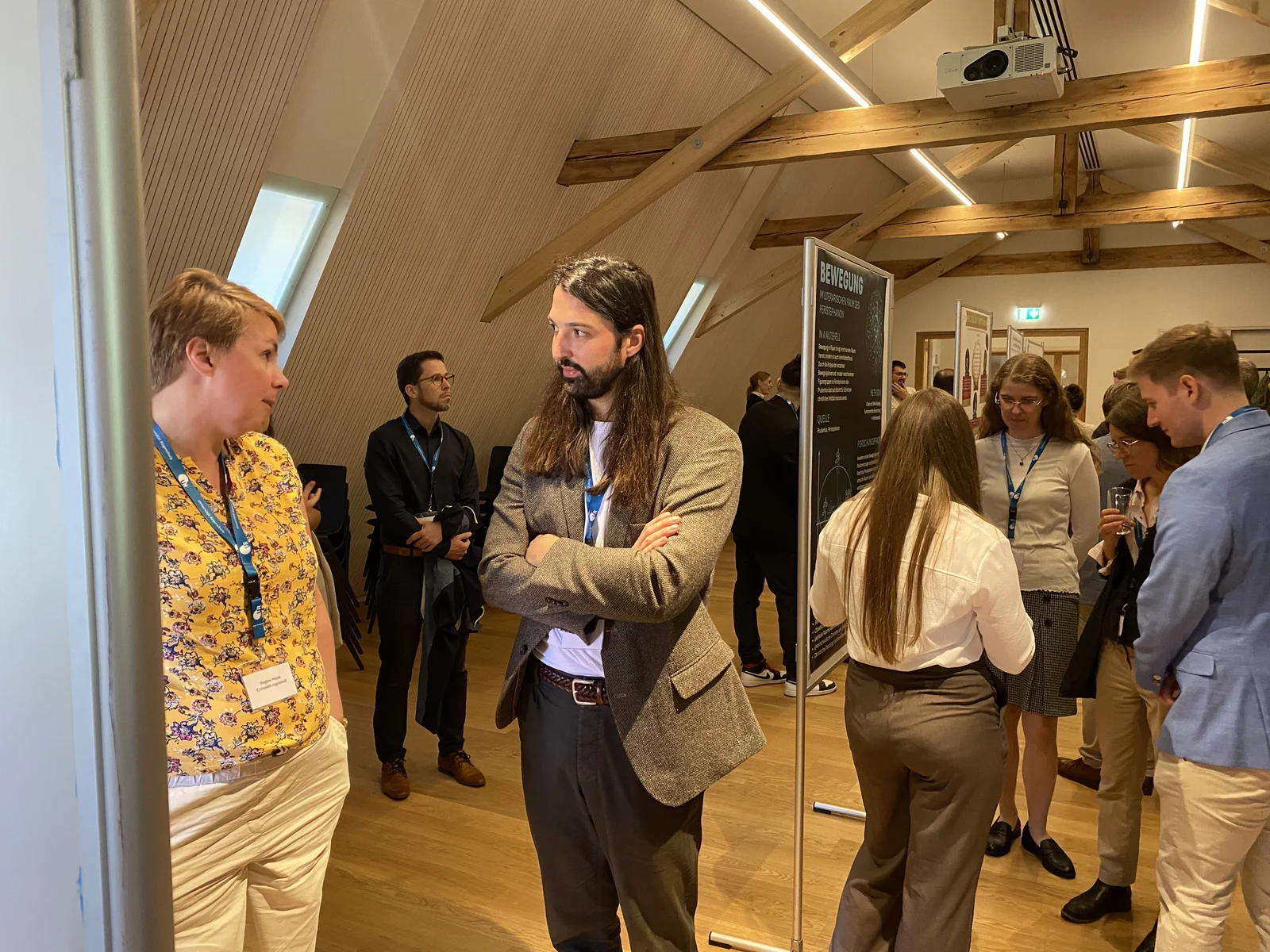
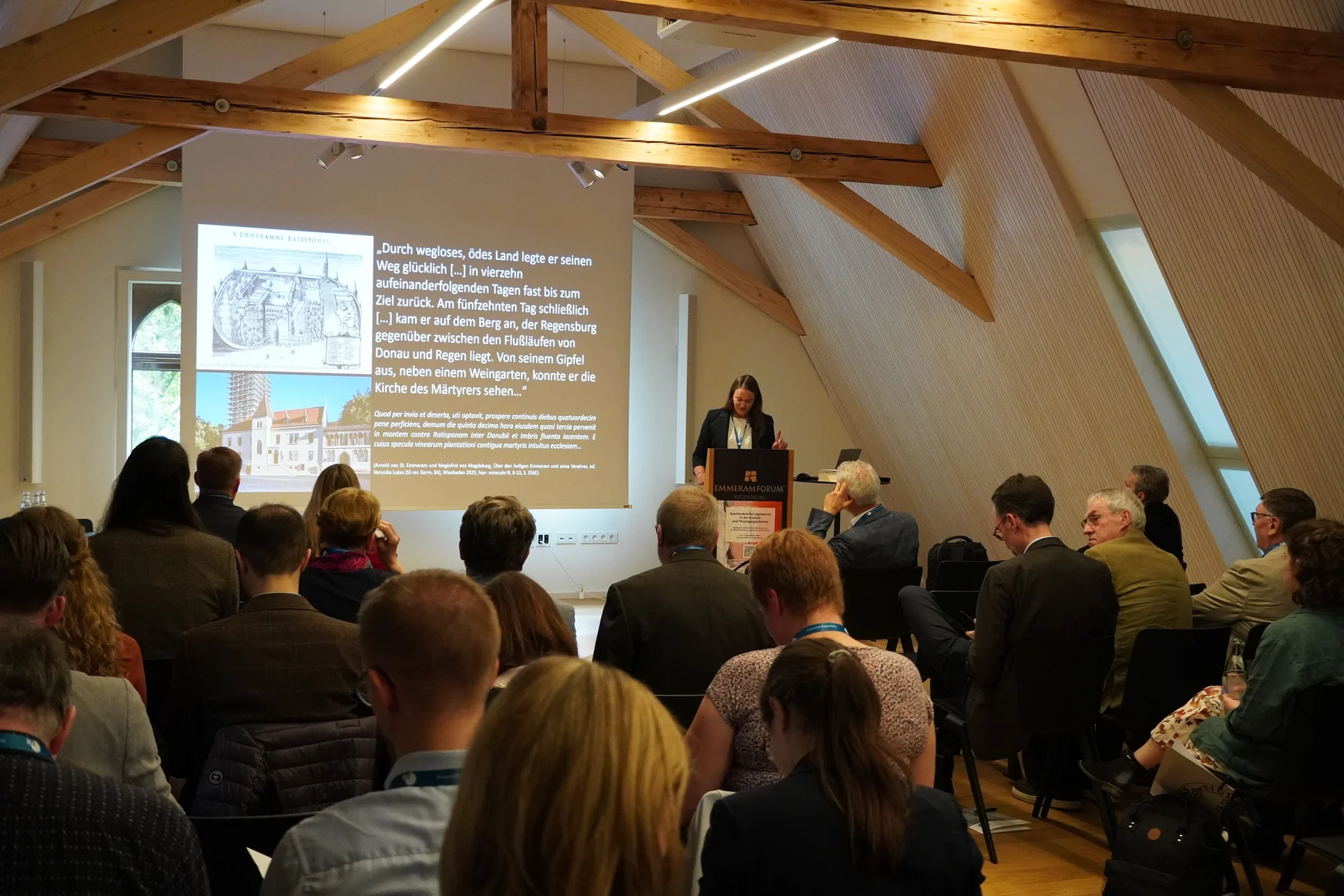
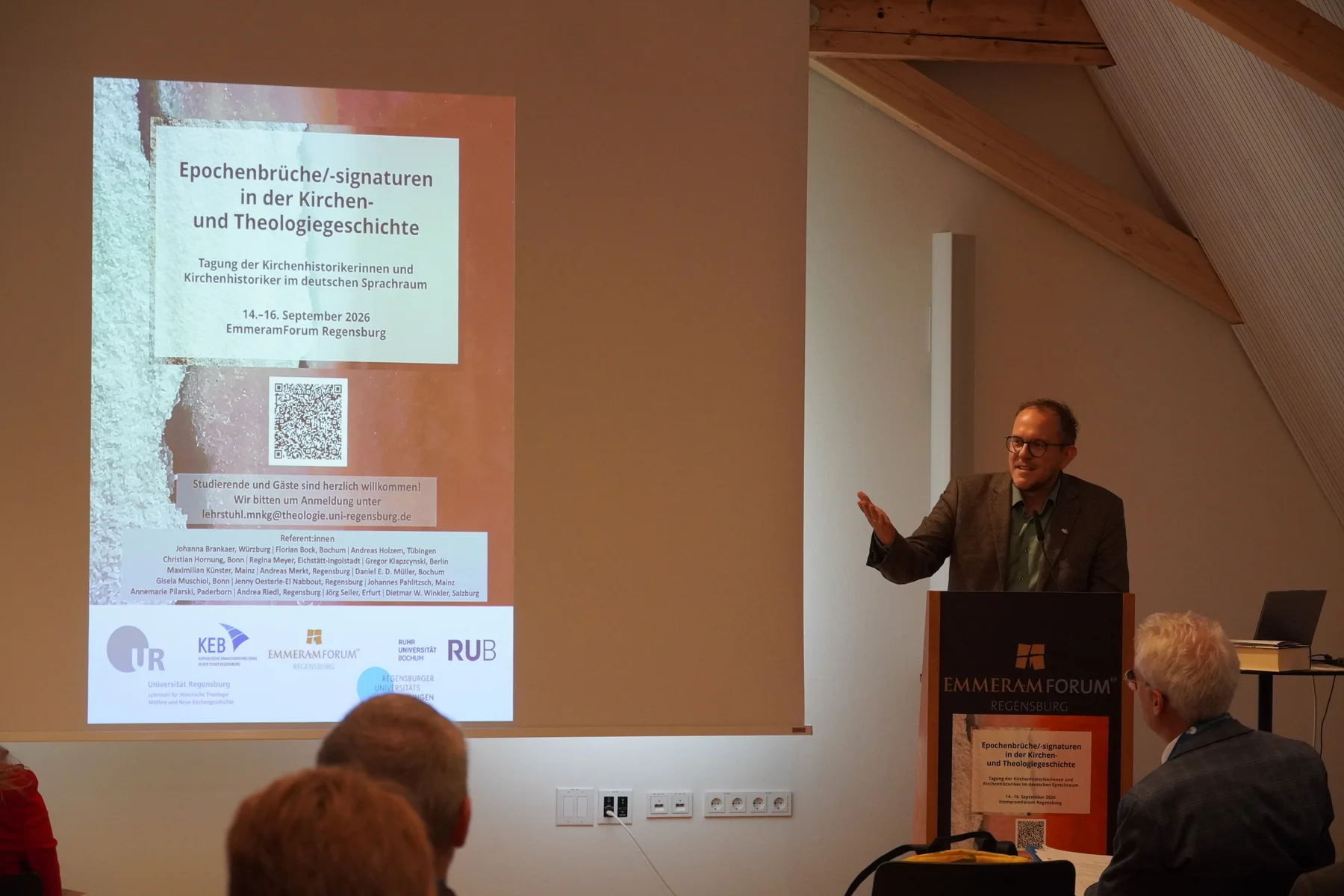
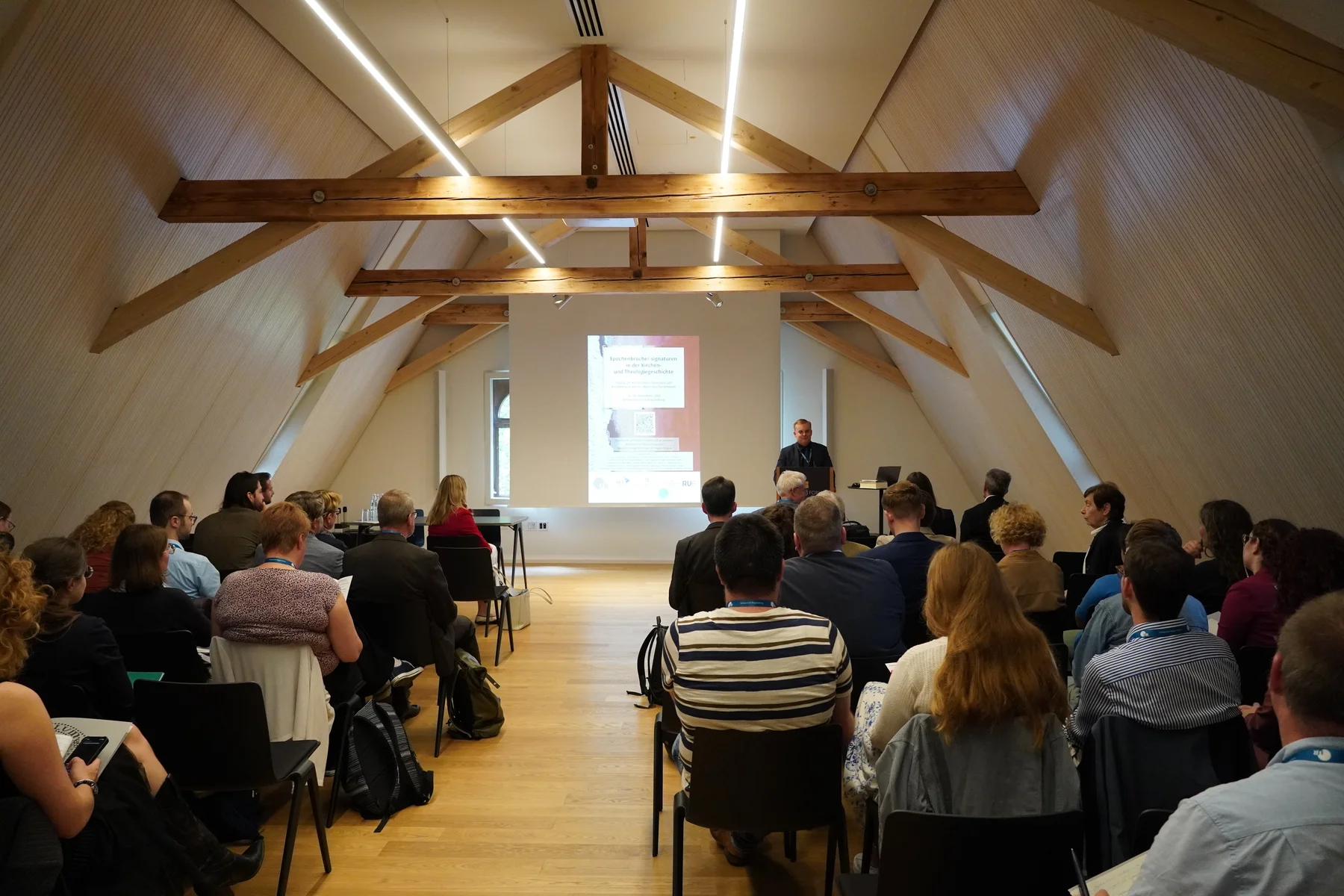
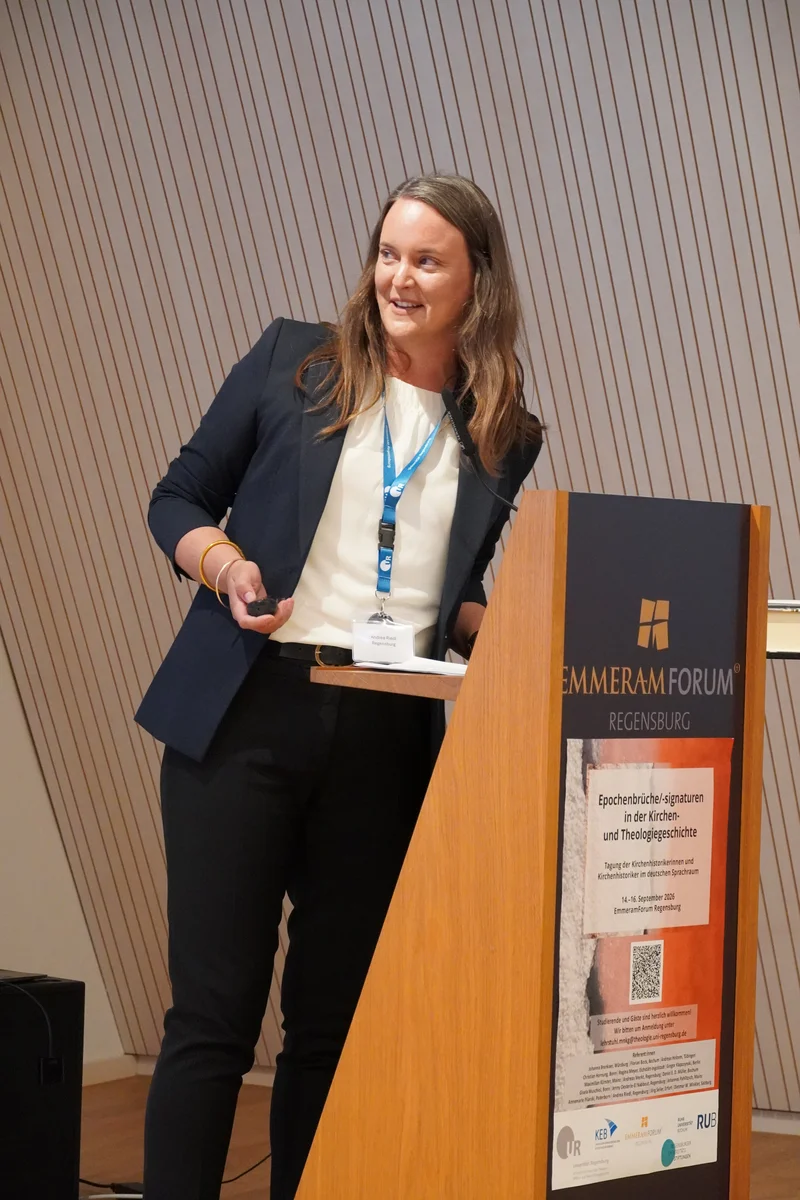
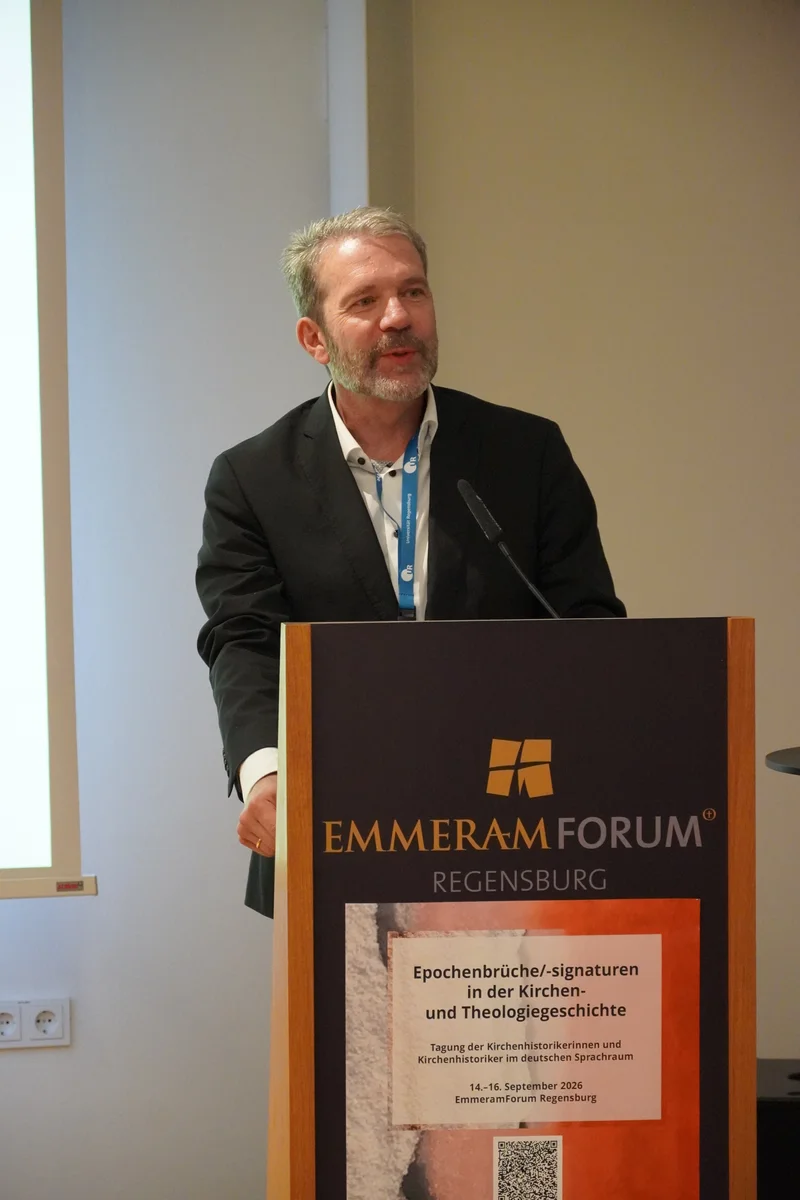
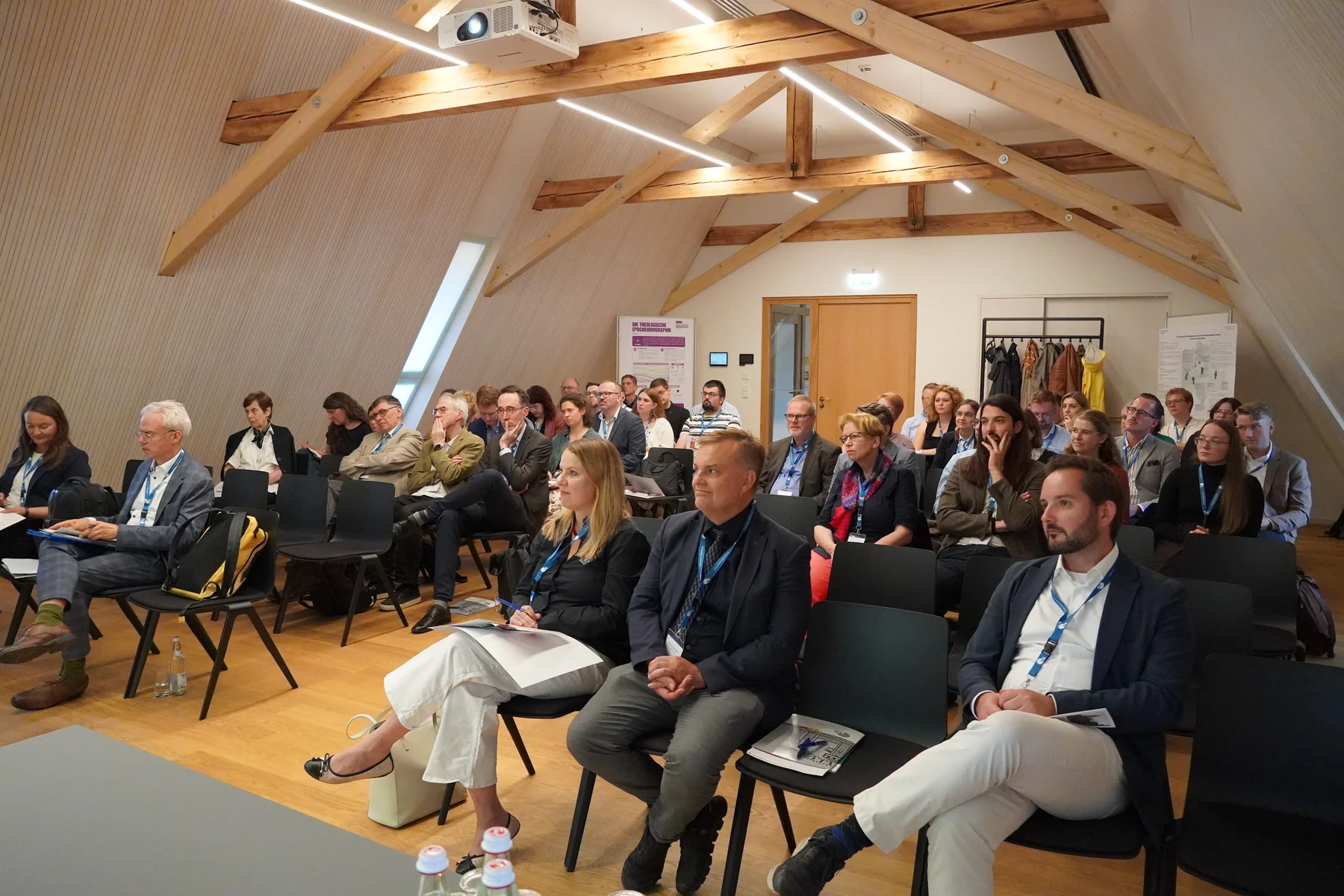
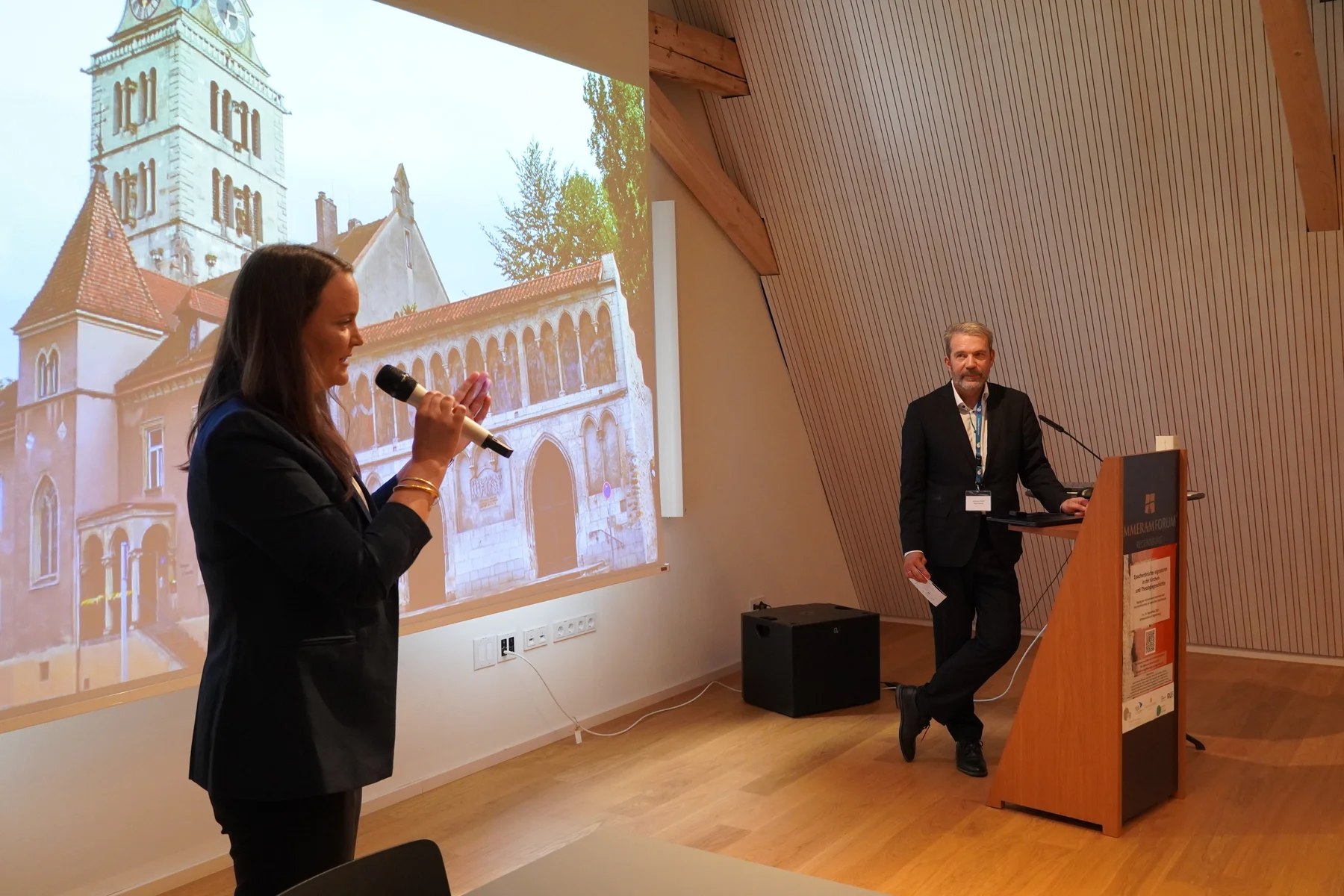
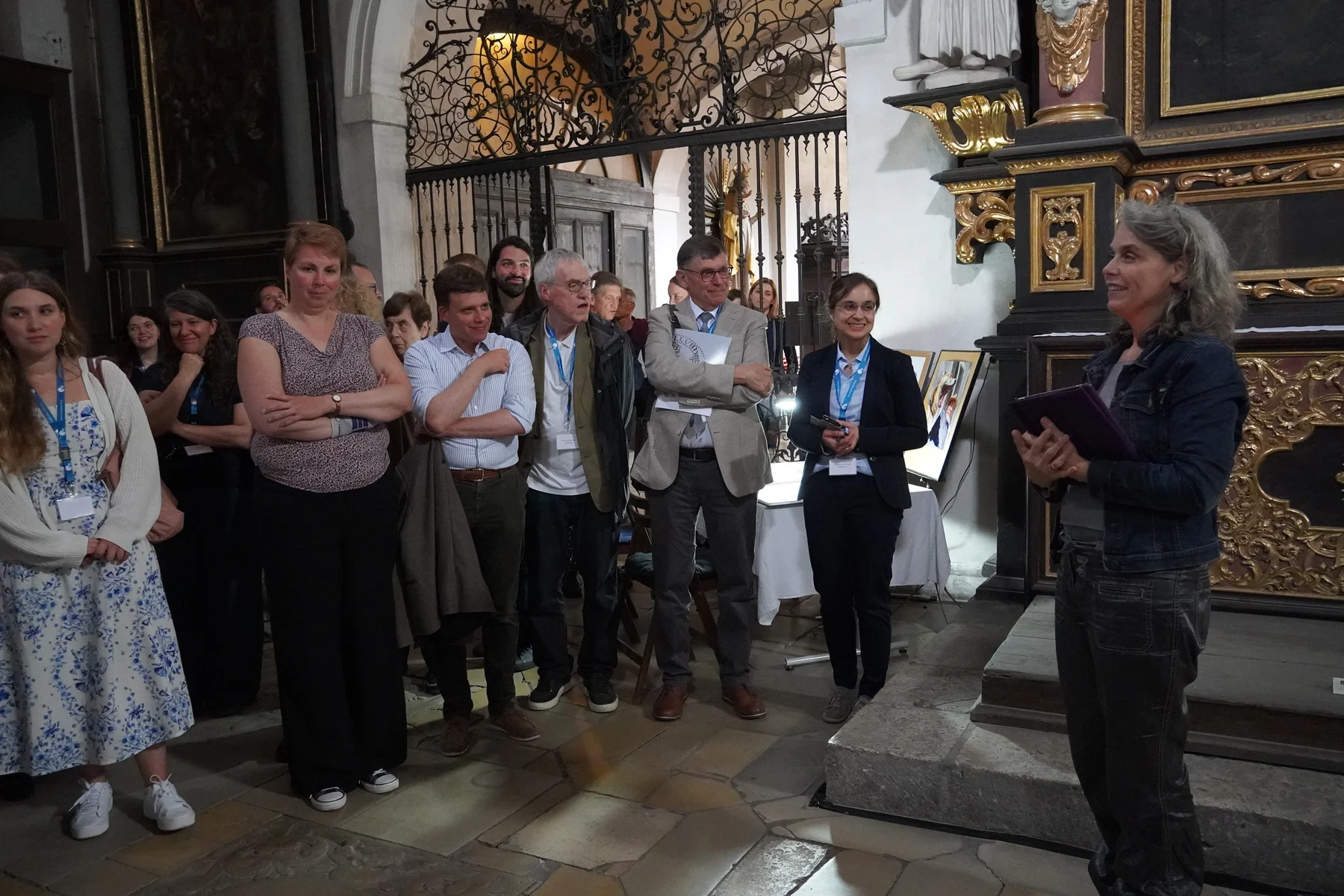
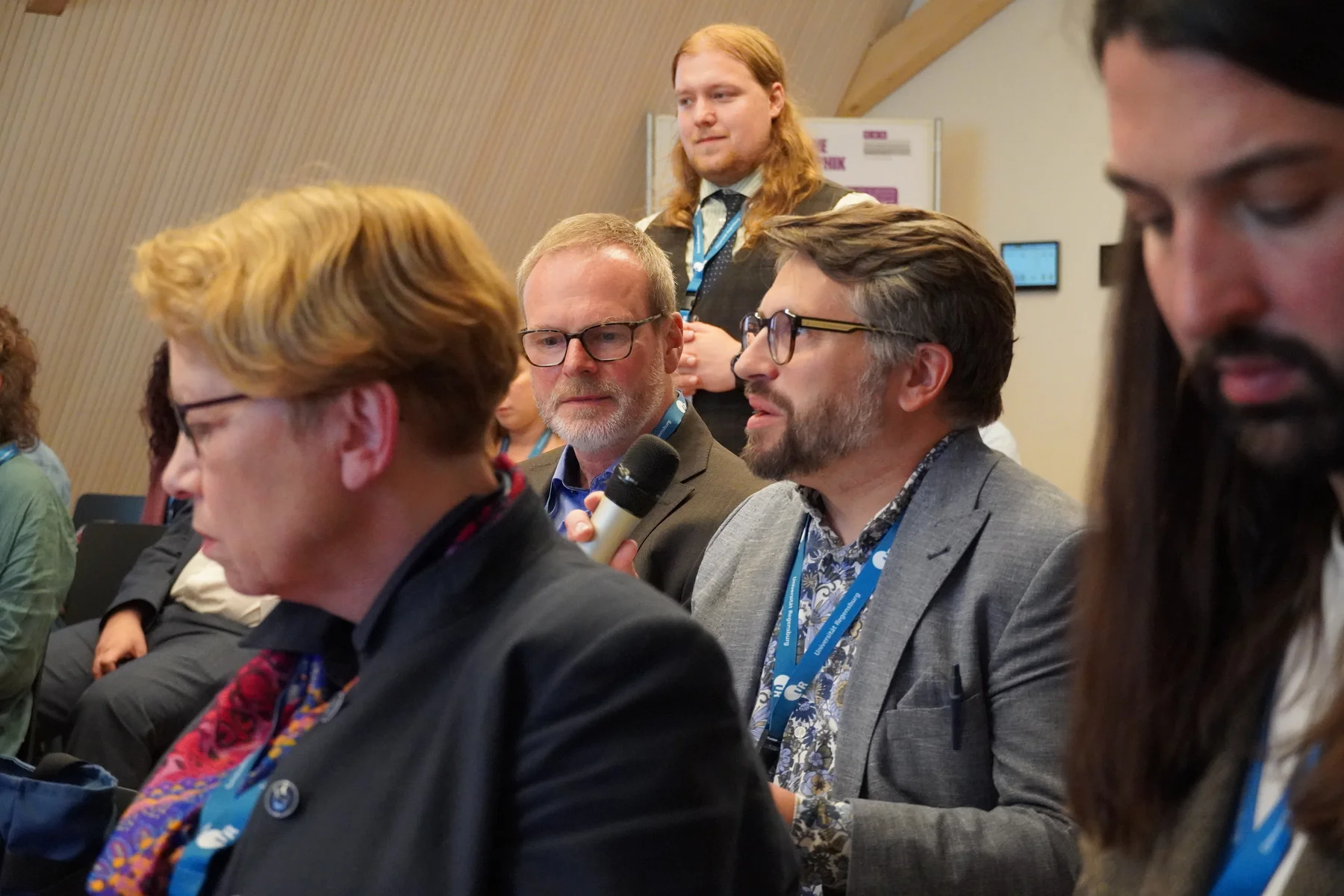
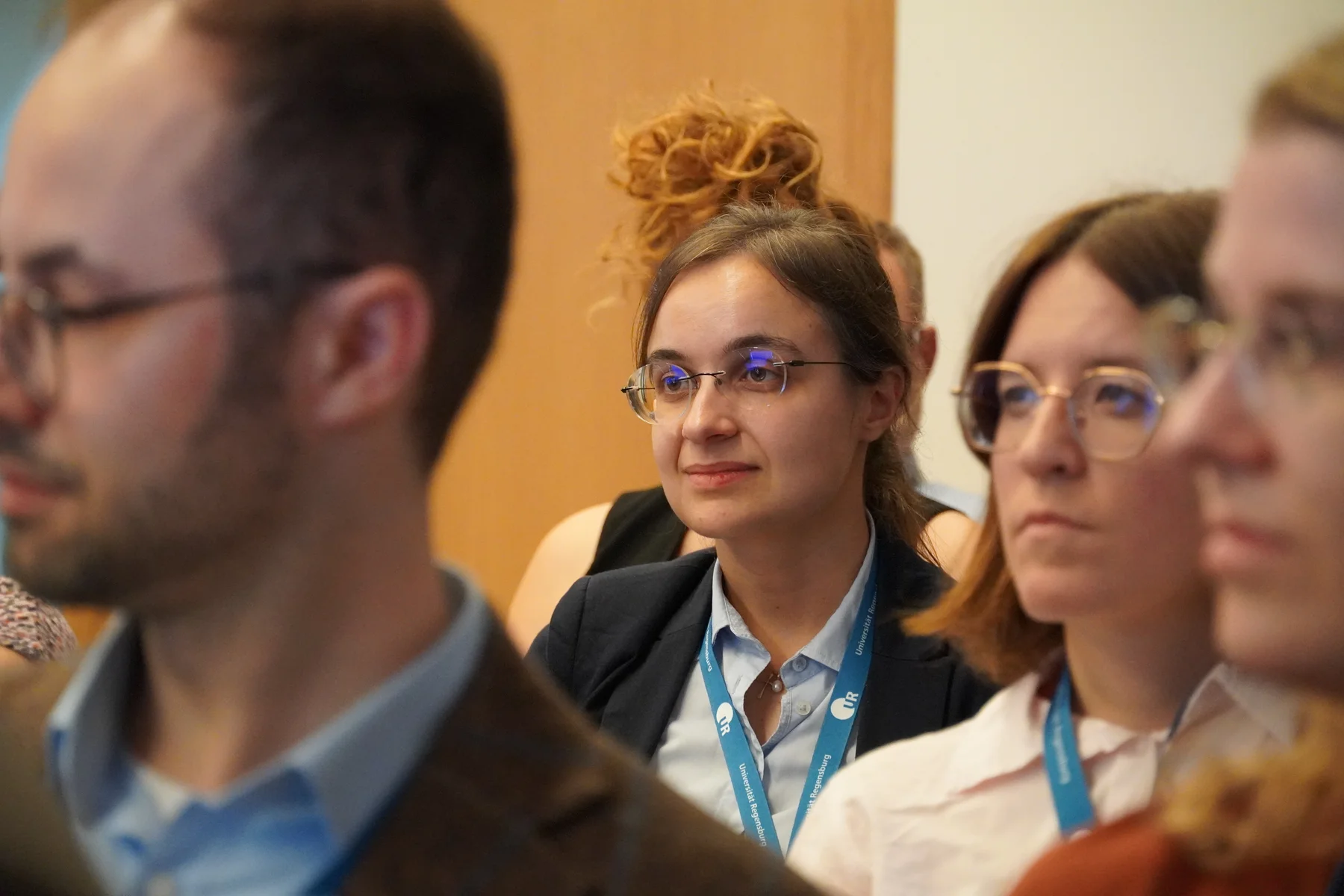
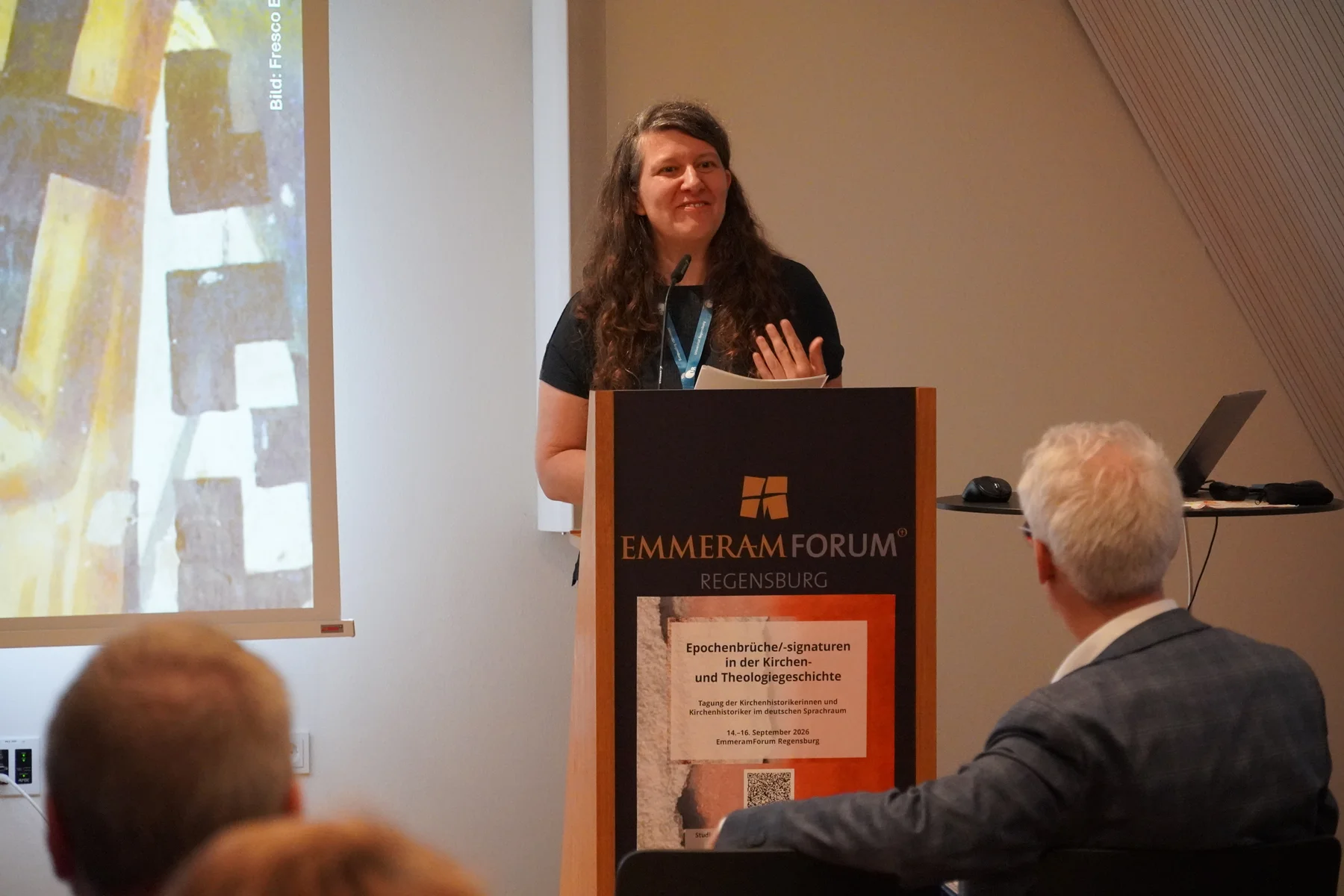
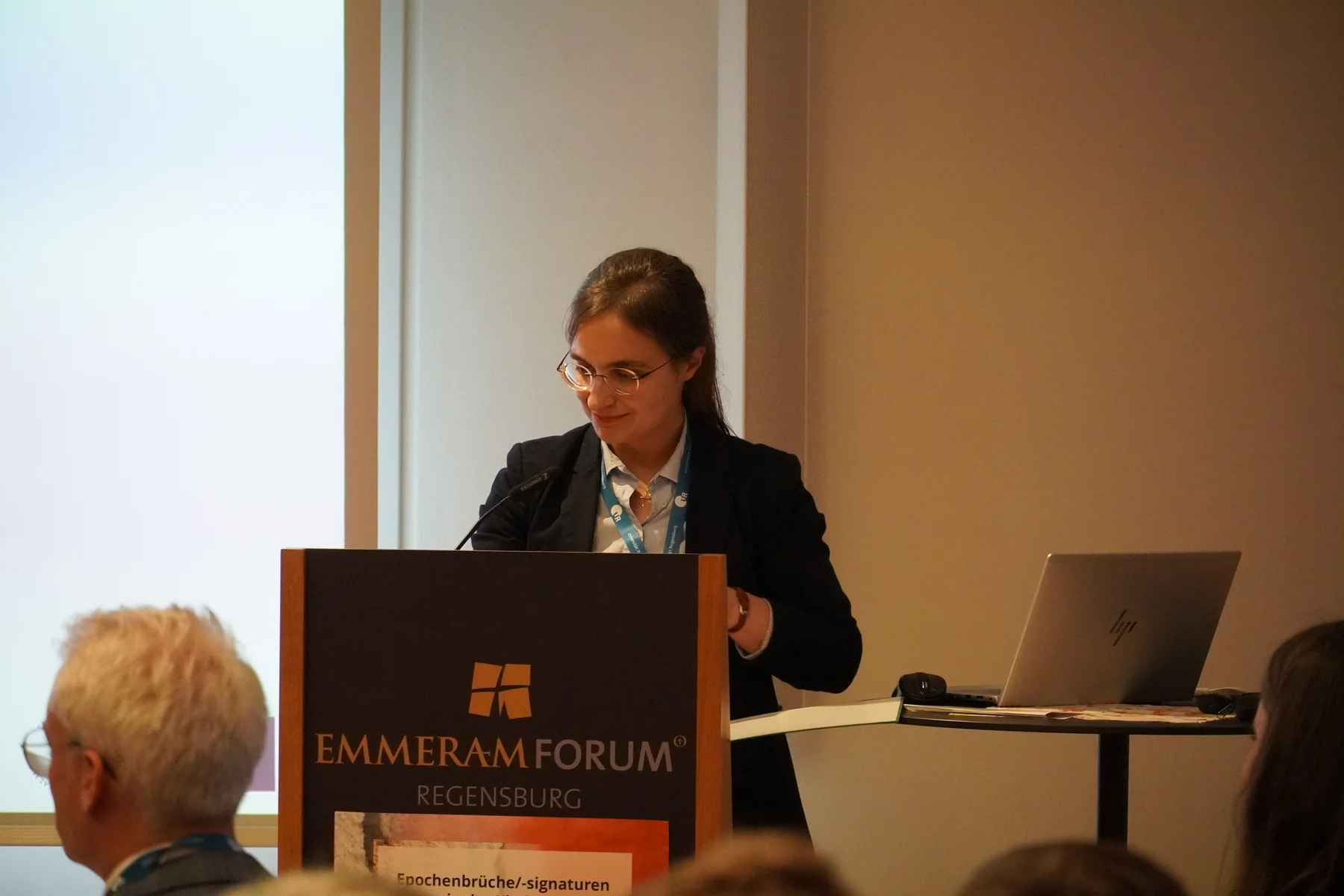
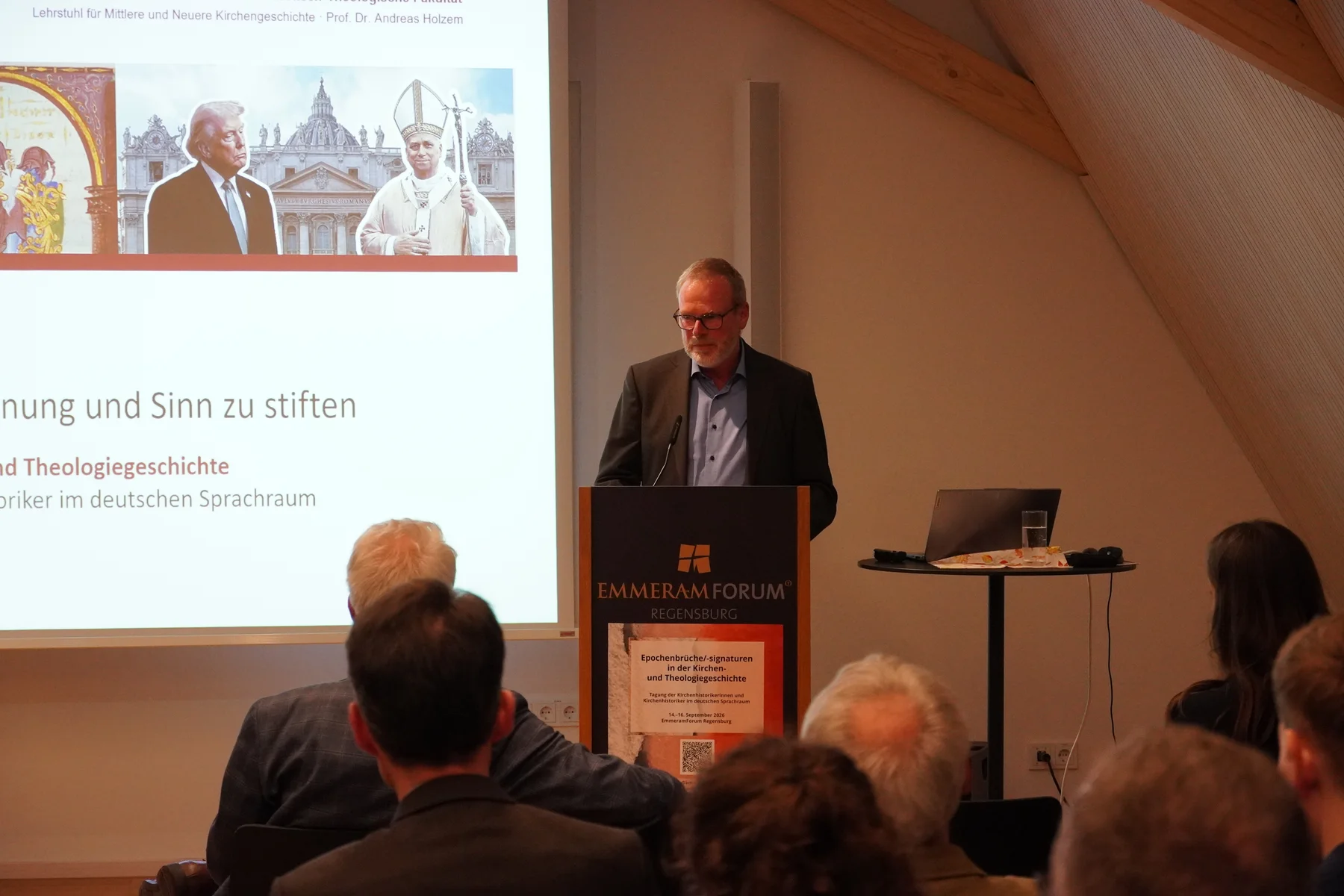
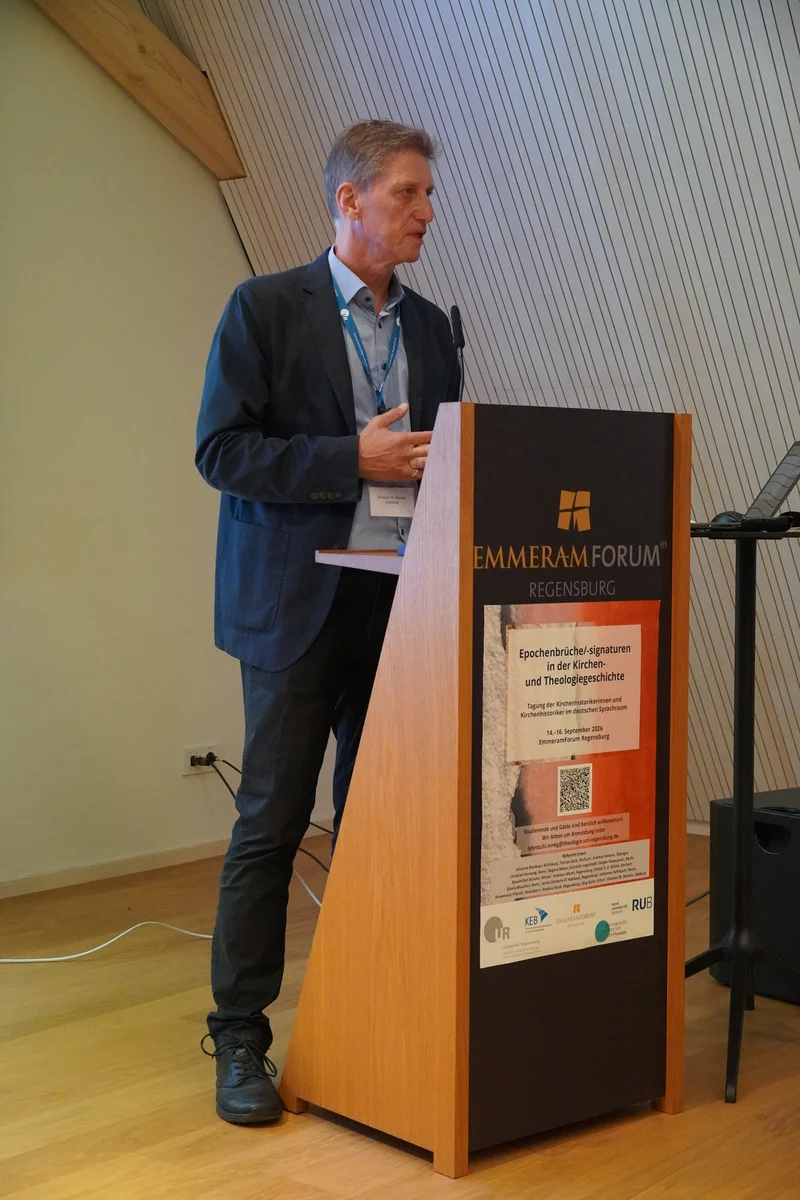
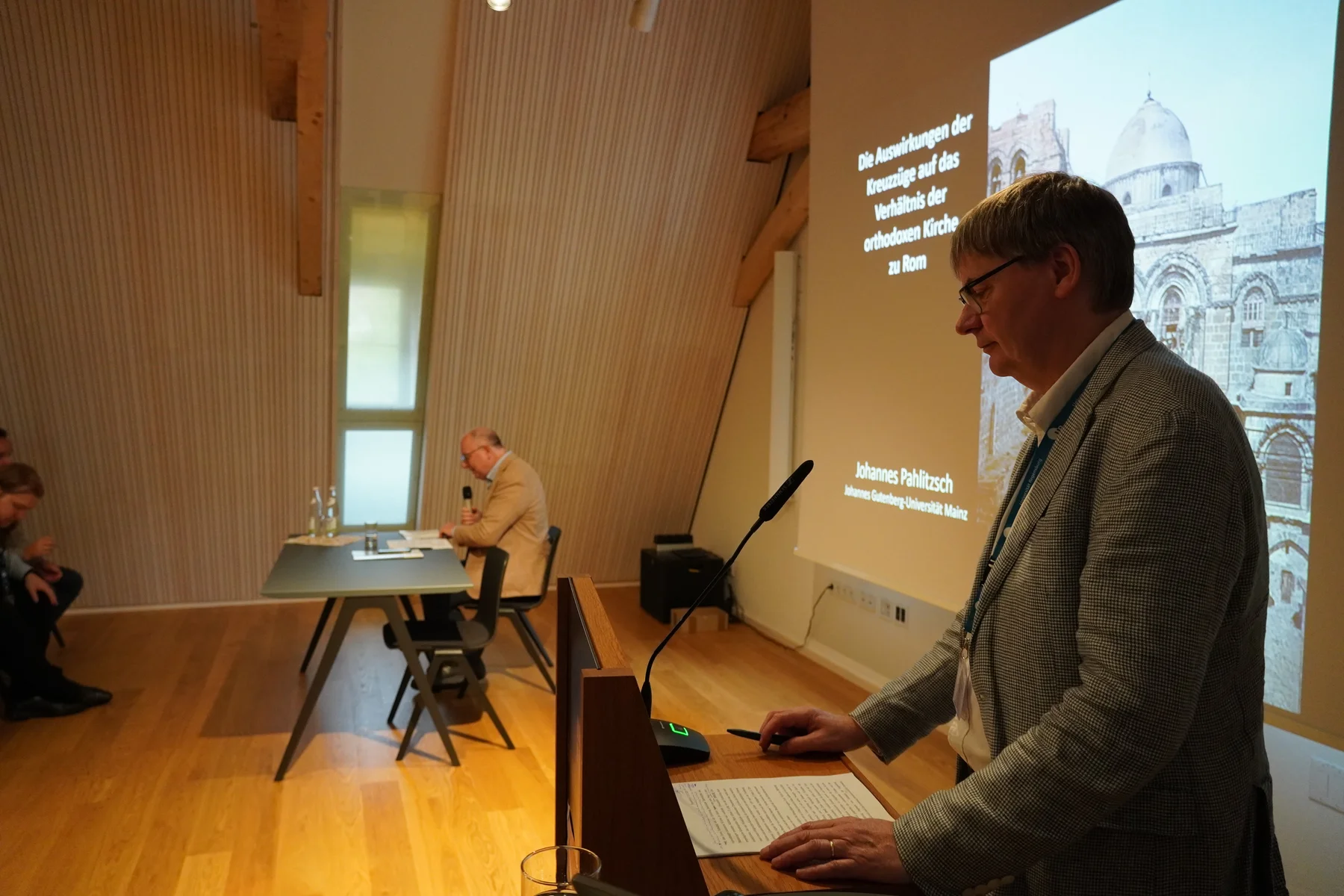
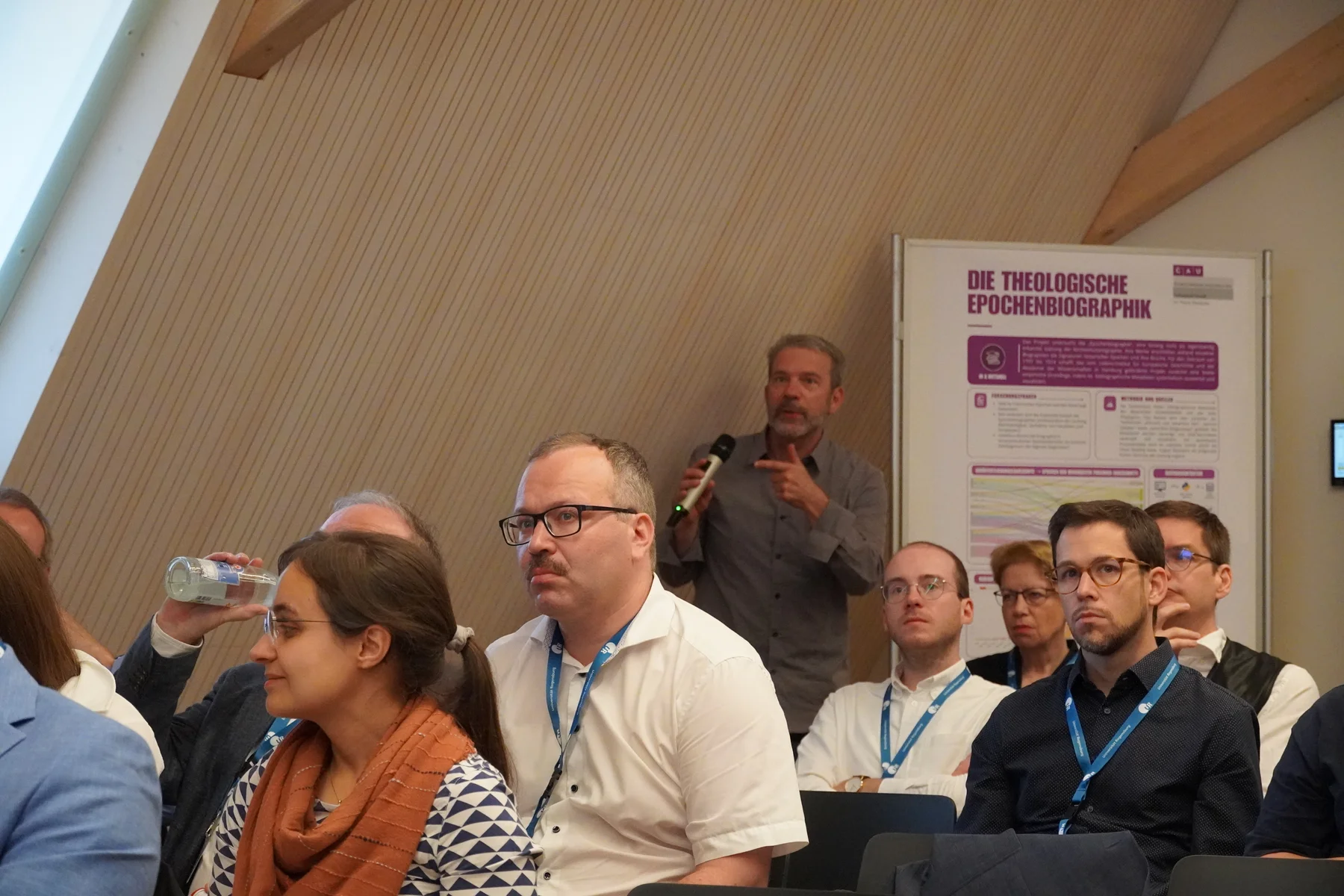
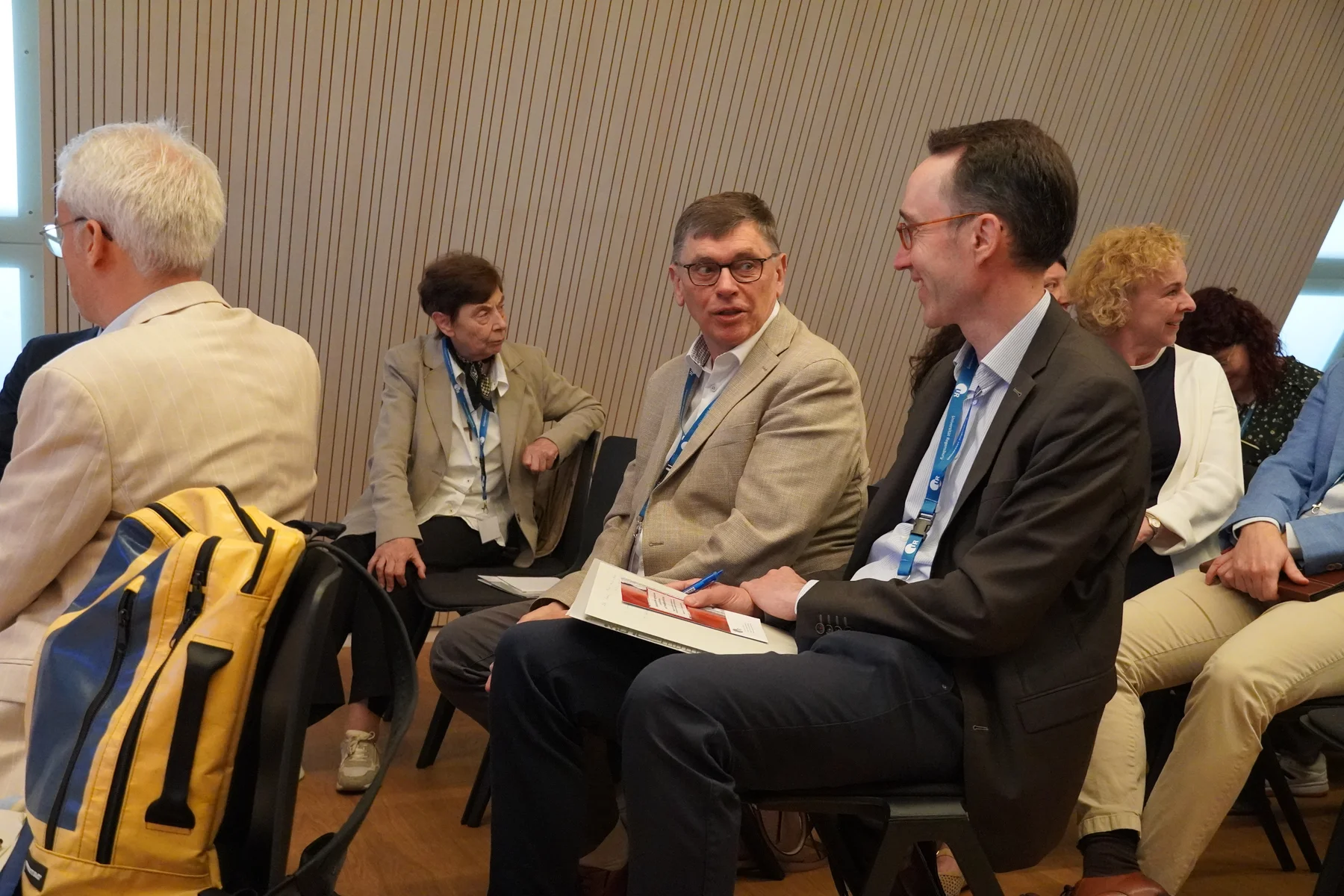
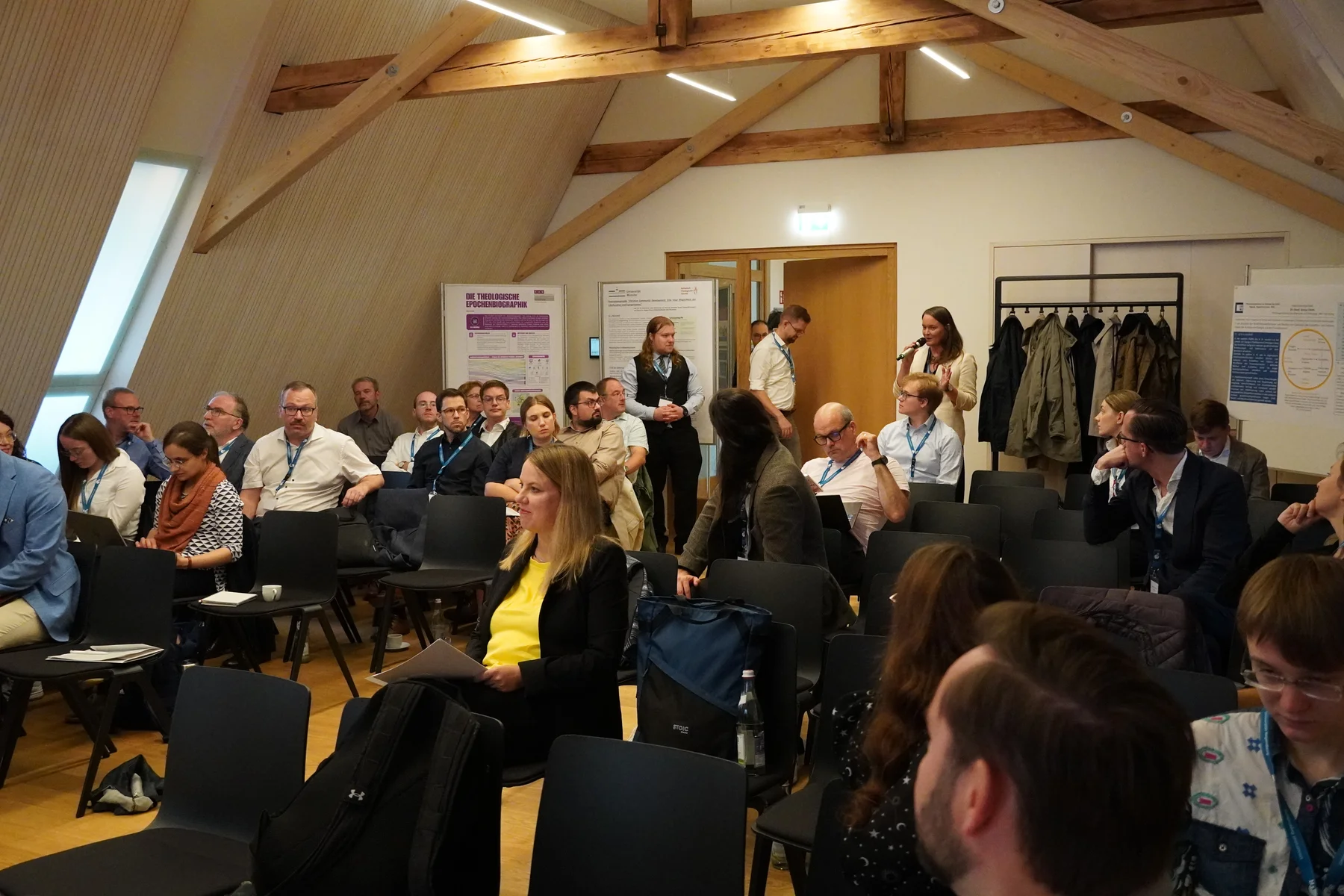
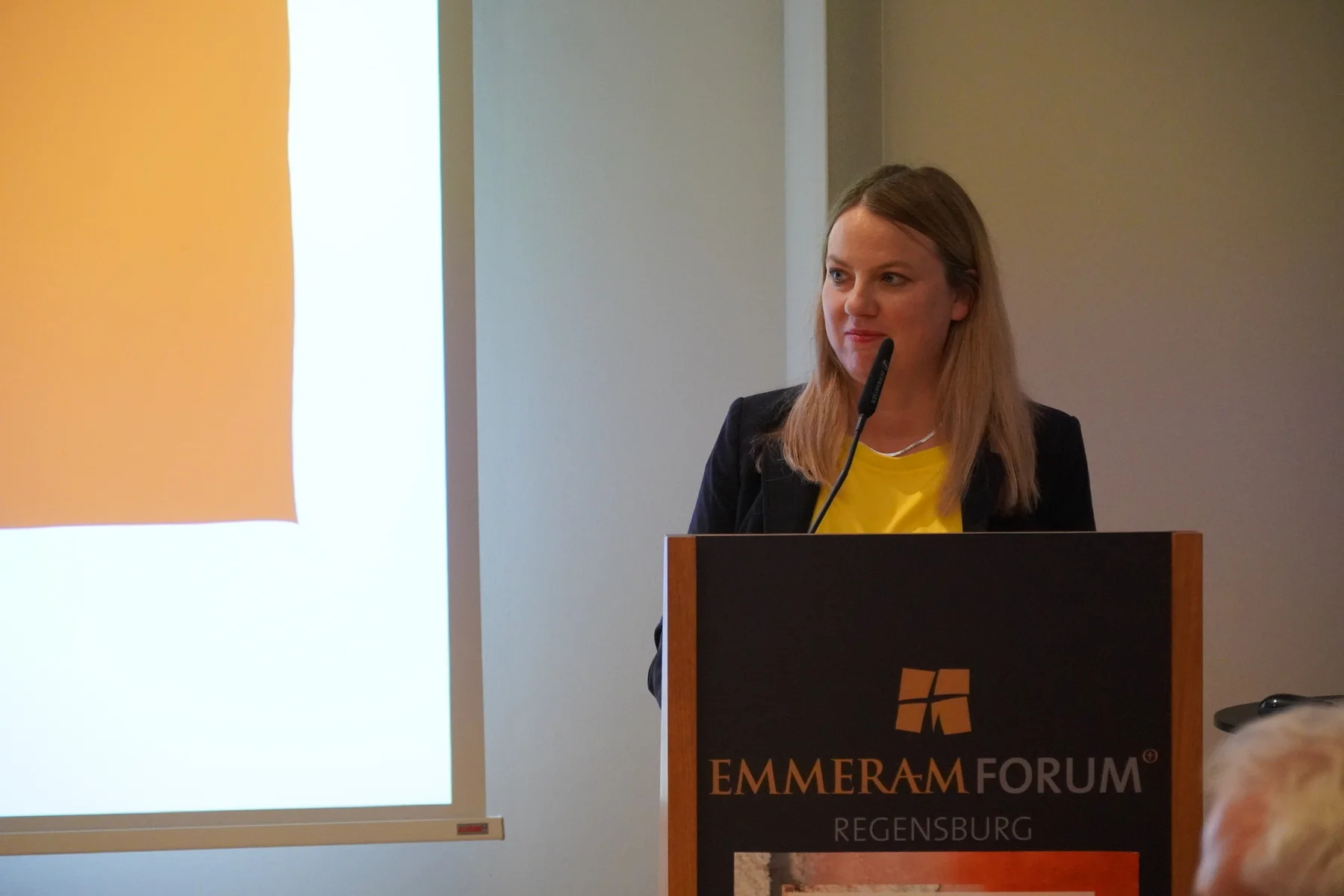
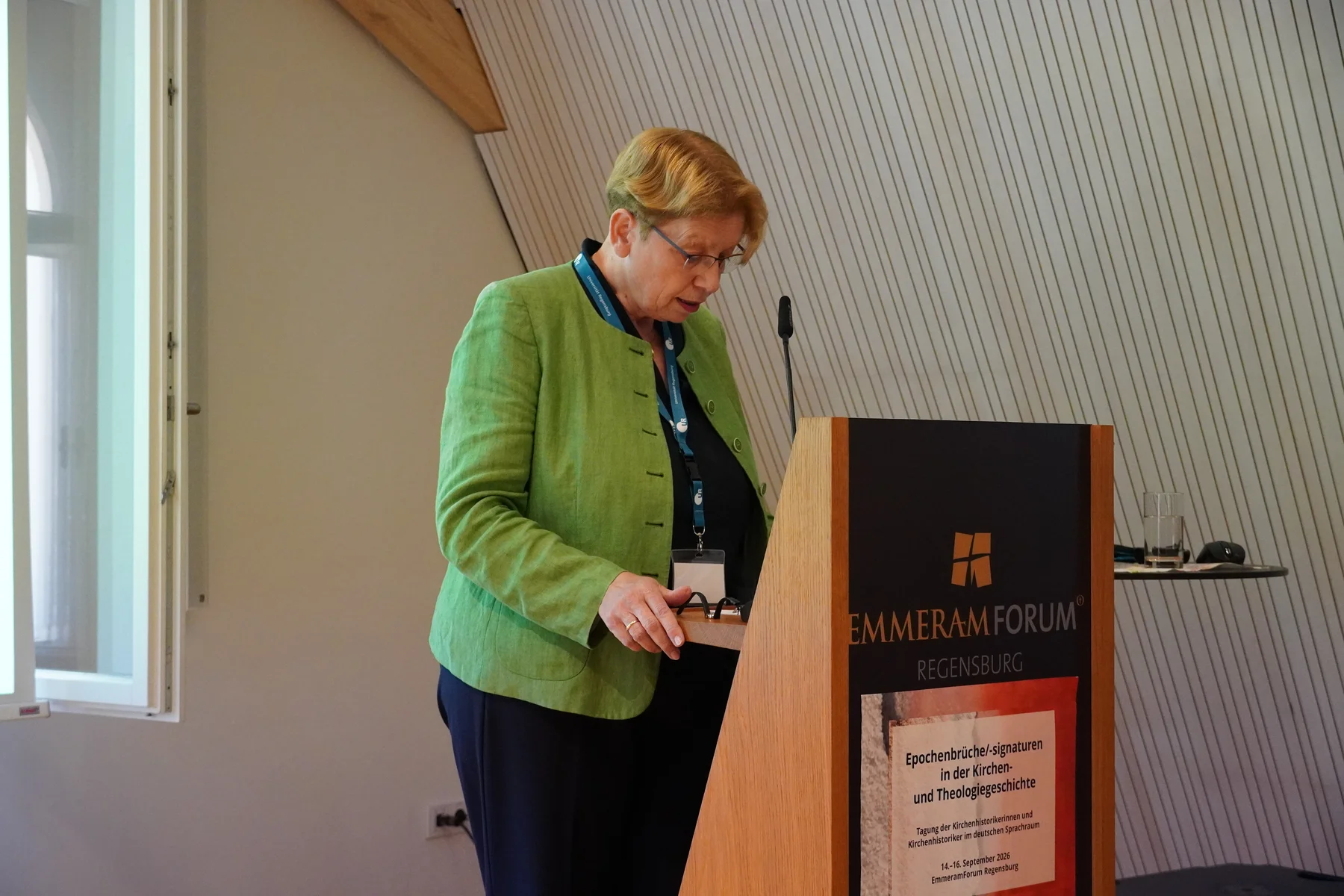
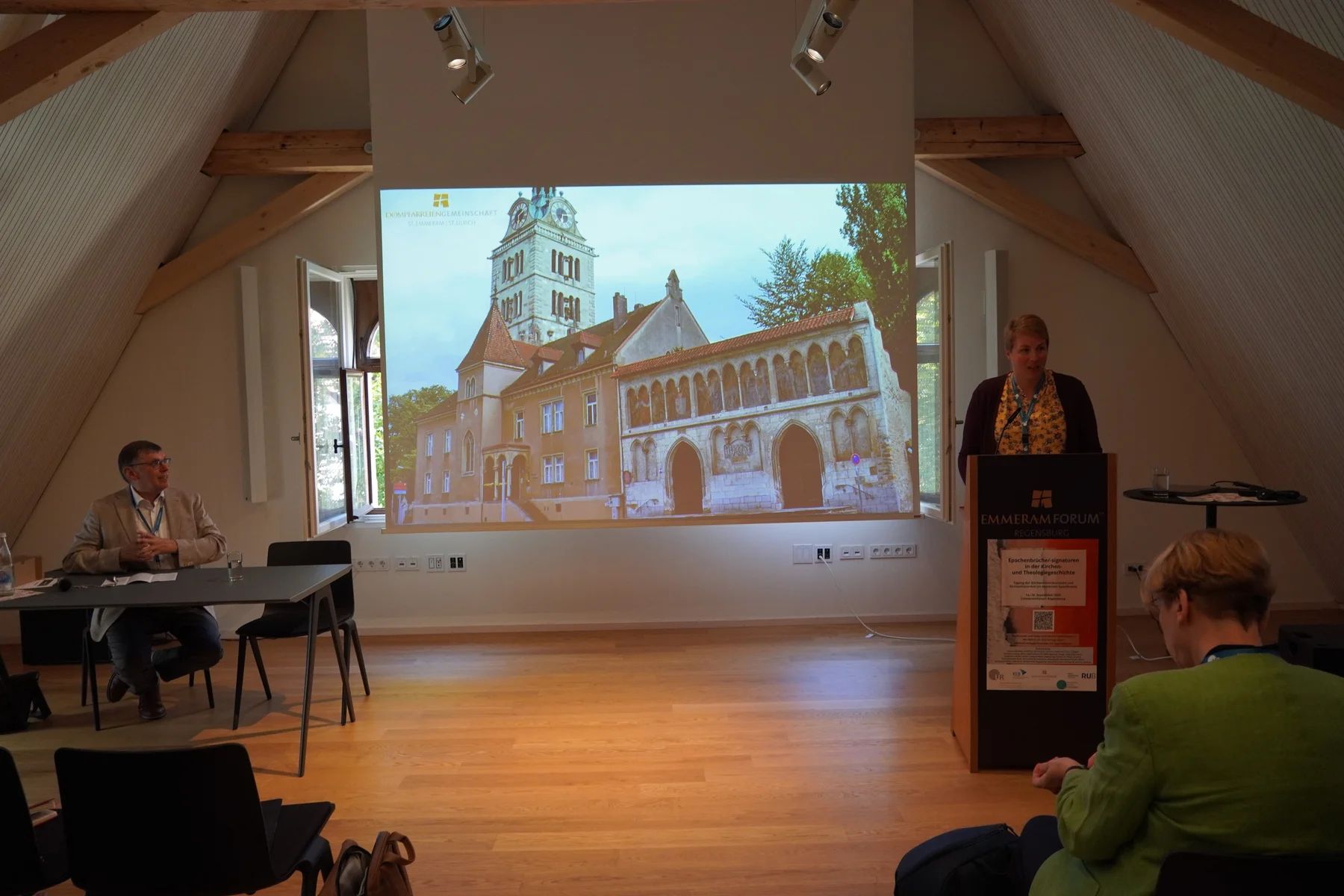
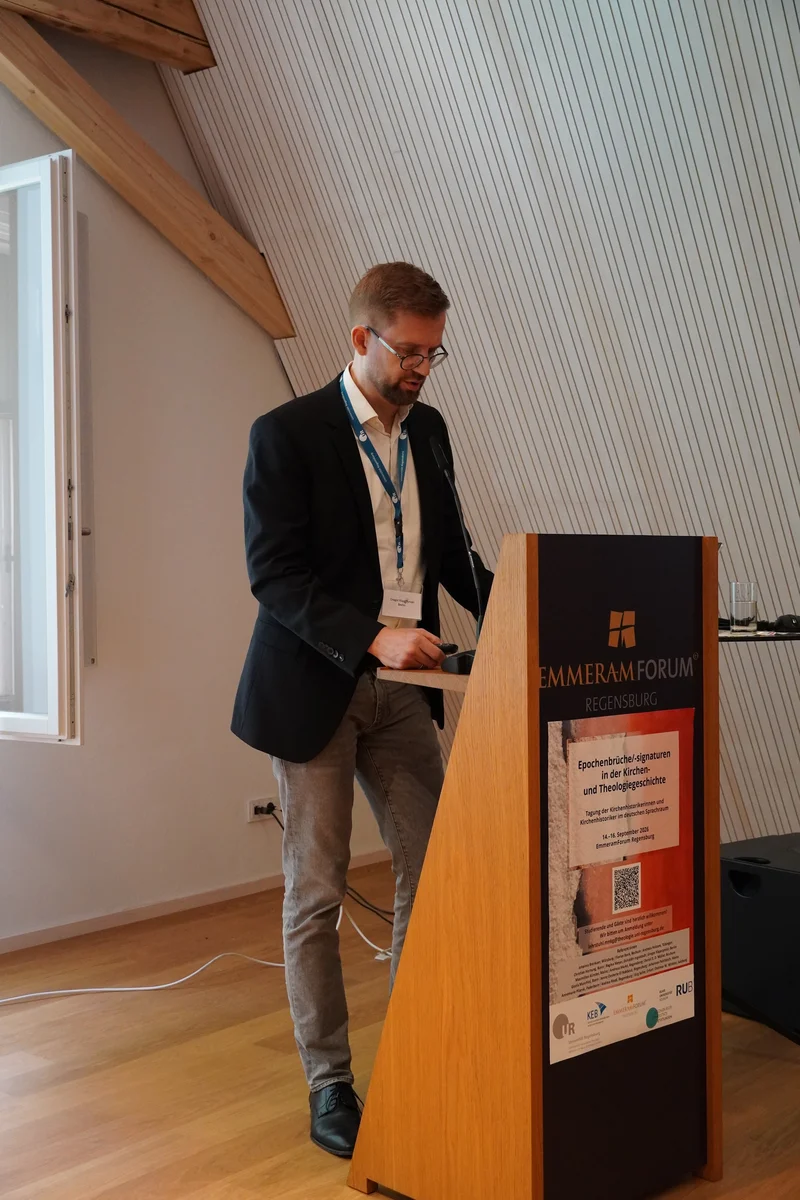
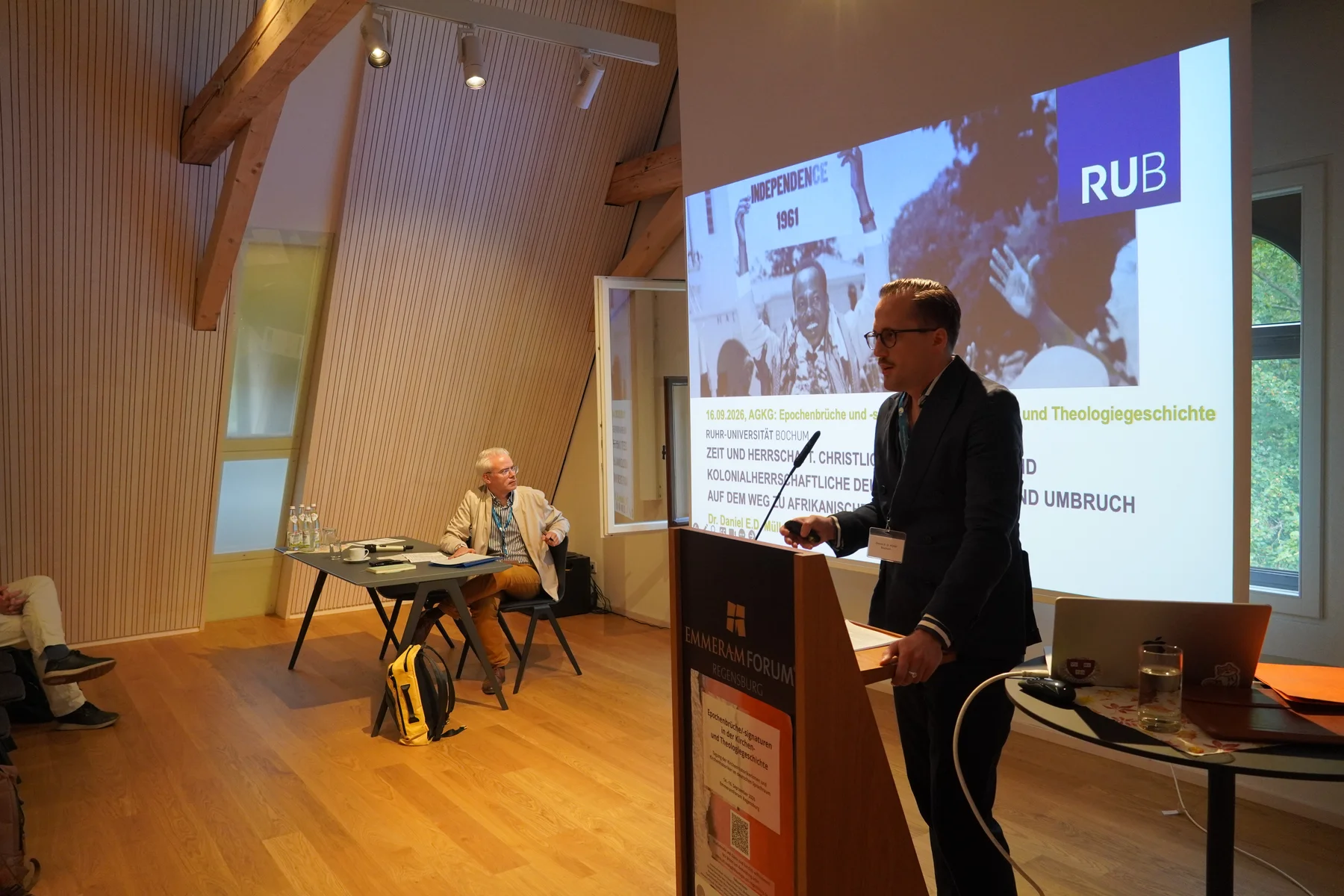
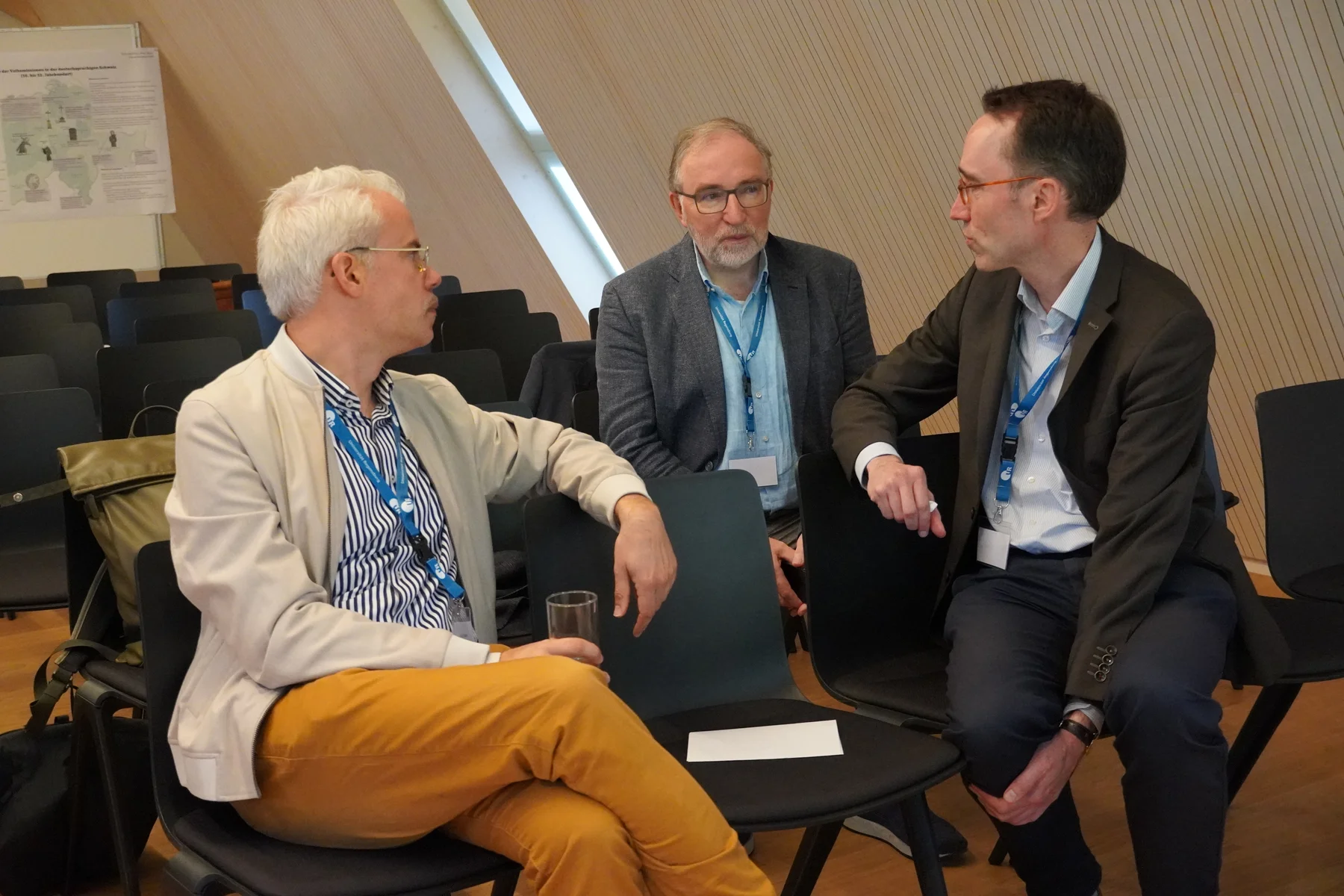
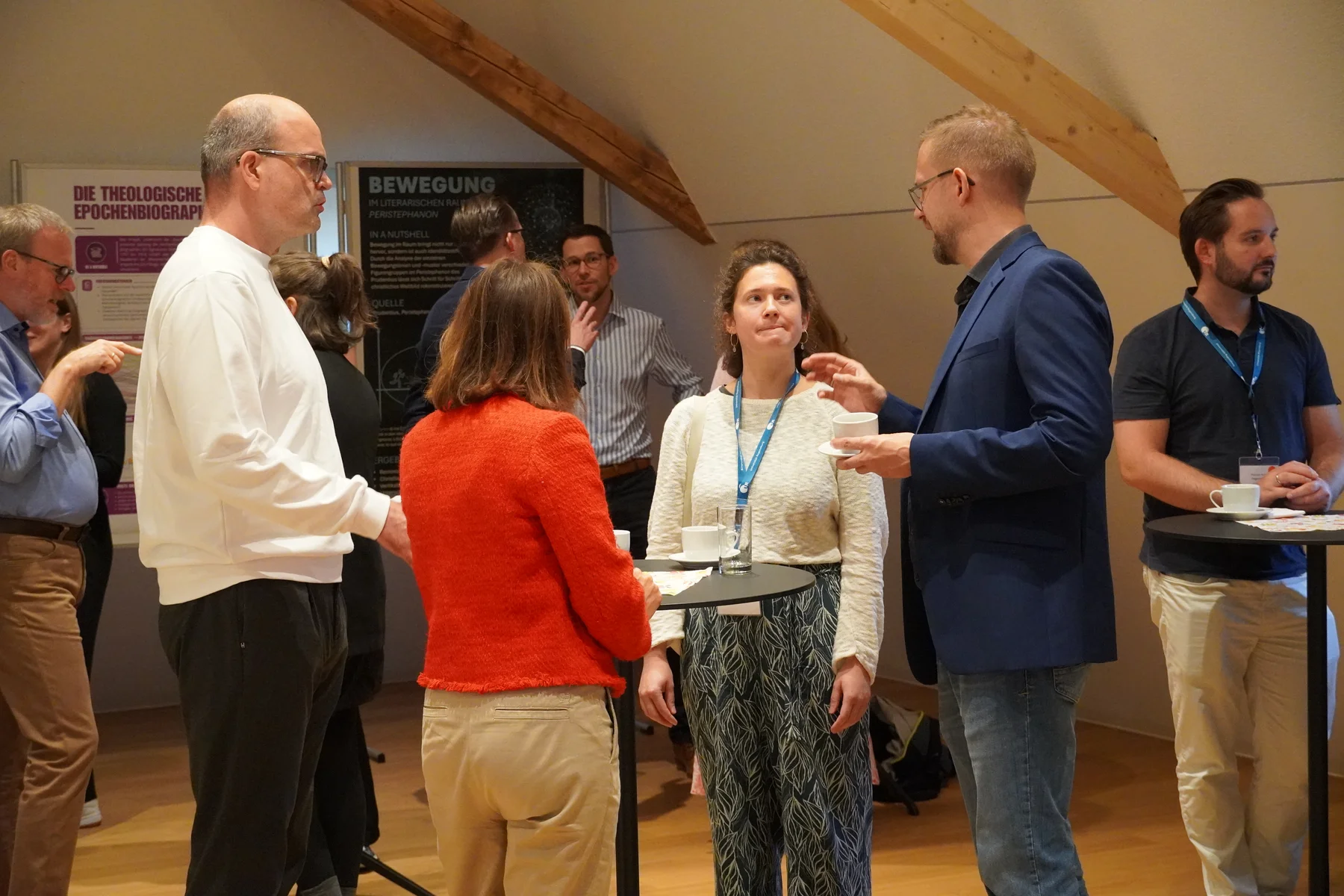
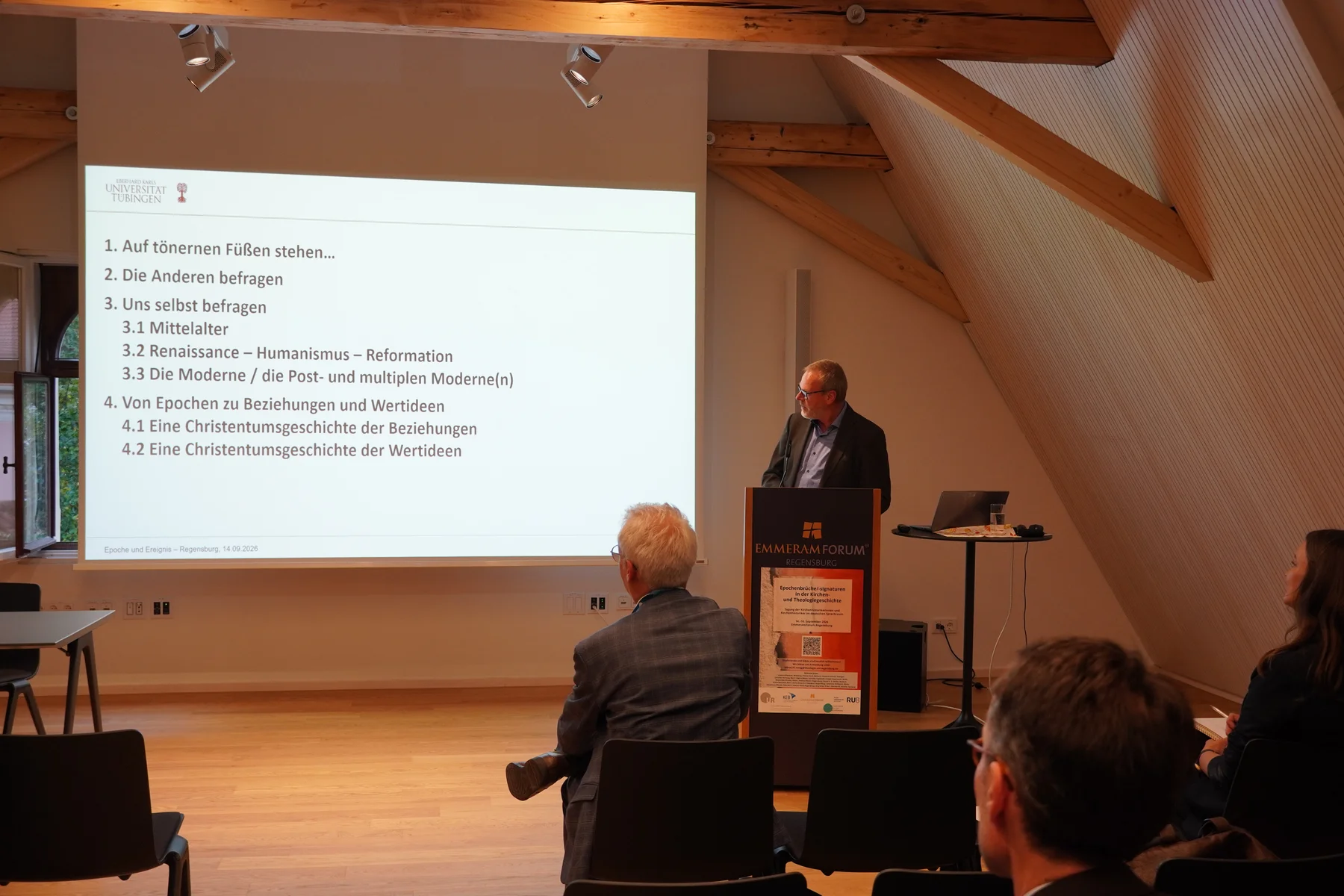
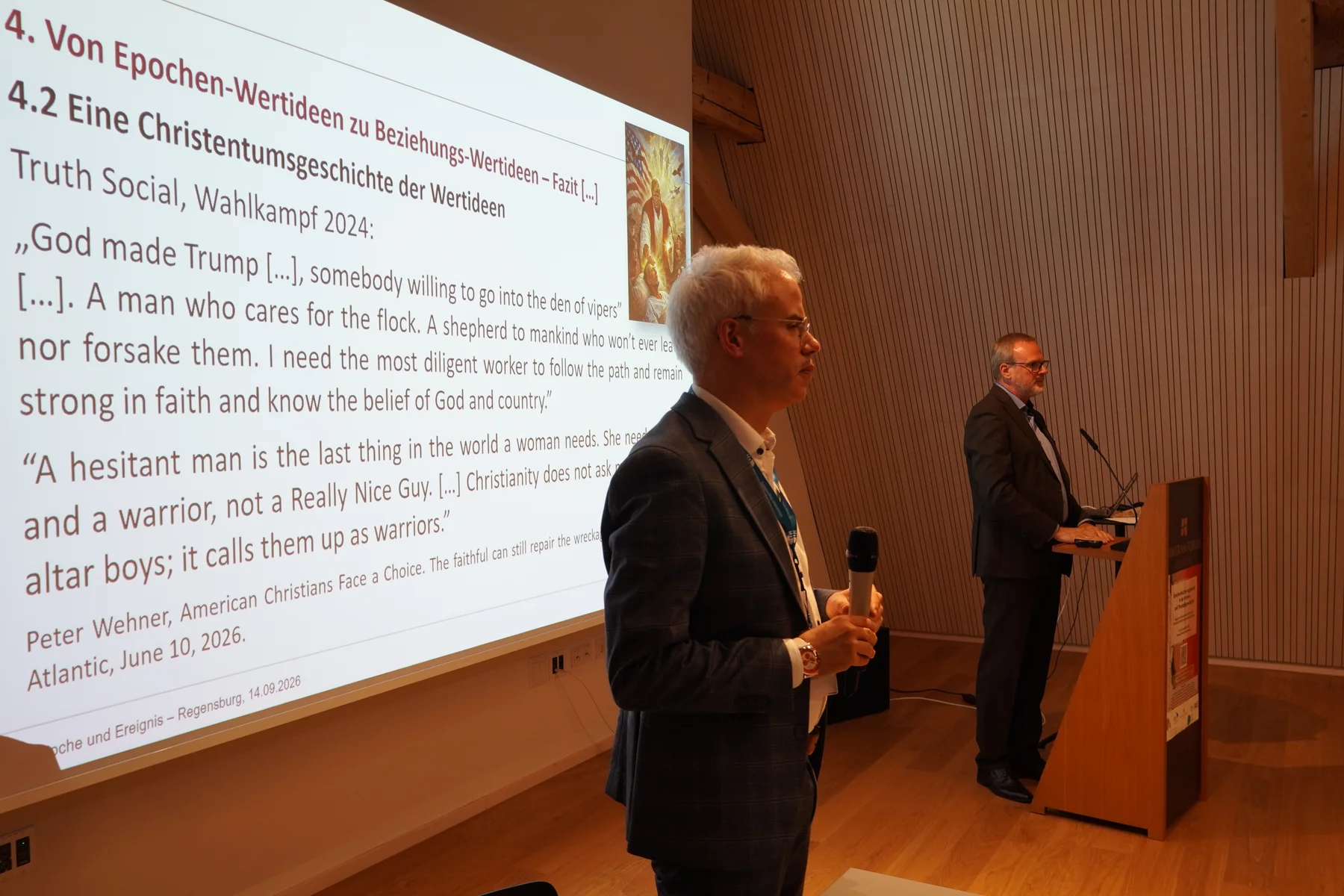
Turning points and signatures in the history of the Church and theology
In light of the dissolving boundaries and definitions of historical periods, this conference examines the significance of historical periods and their defining characteristics throughout the history of the Church and theology. Are they preformed or predetermined by their own era, or were they applied retrospectively as interpretive frameworks to a particular age? How robust is a periodization framework based on what are considered to be characteristic features? When does an era begin, and when does it end? How fragile are the boundaries of eras? What benefits do they offer—particularly with regard to historiography and potentially as a resource for contemporary theologies and societies—at a time when the concept of a "turning point in history" is constantly at the center of public debate?
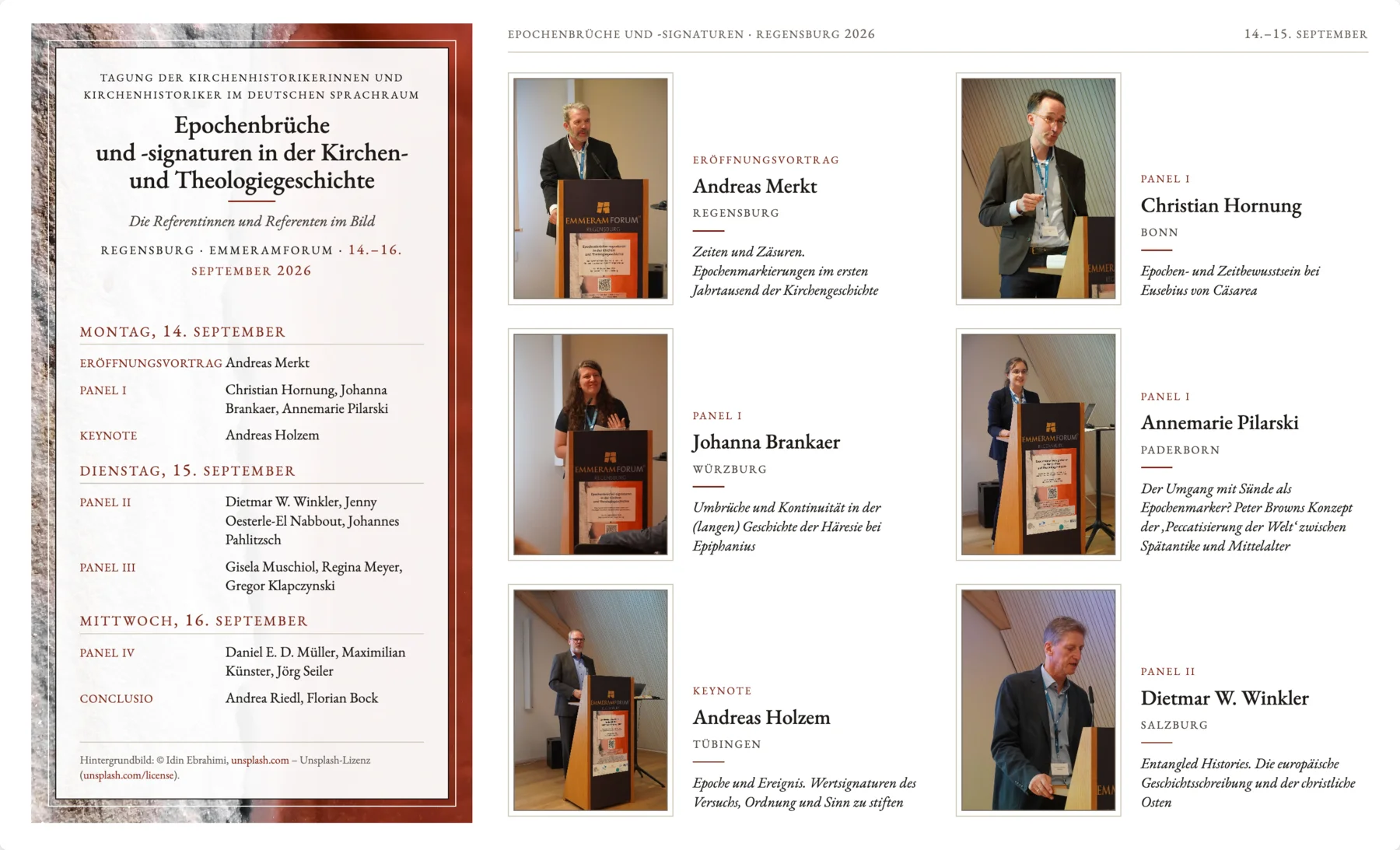
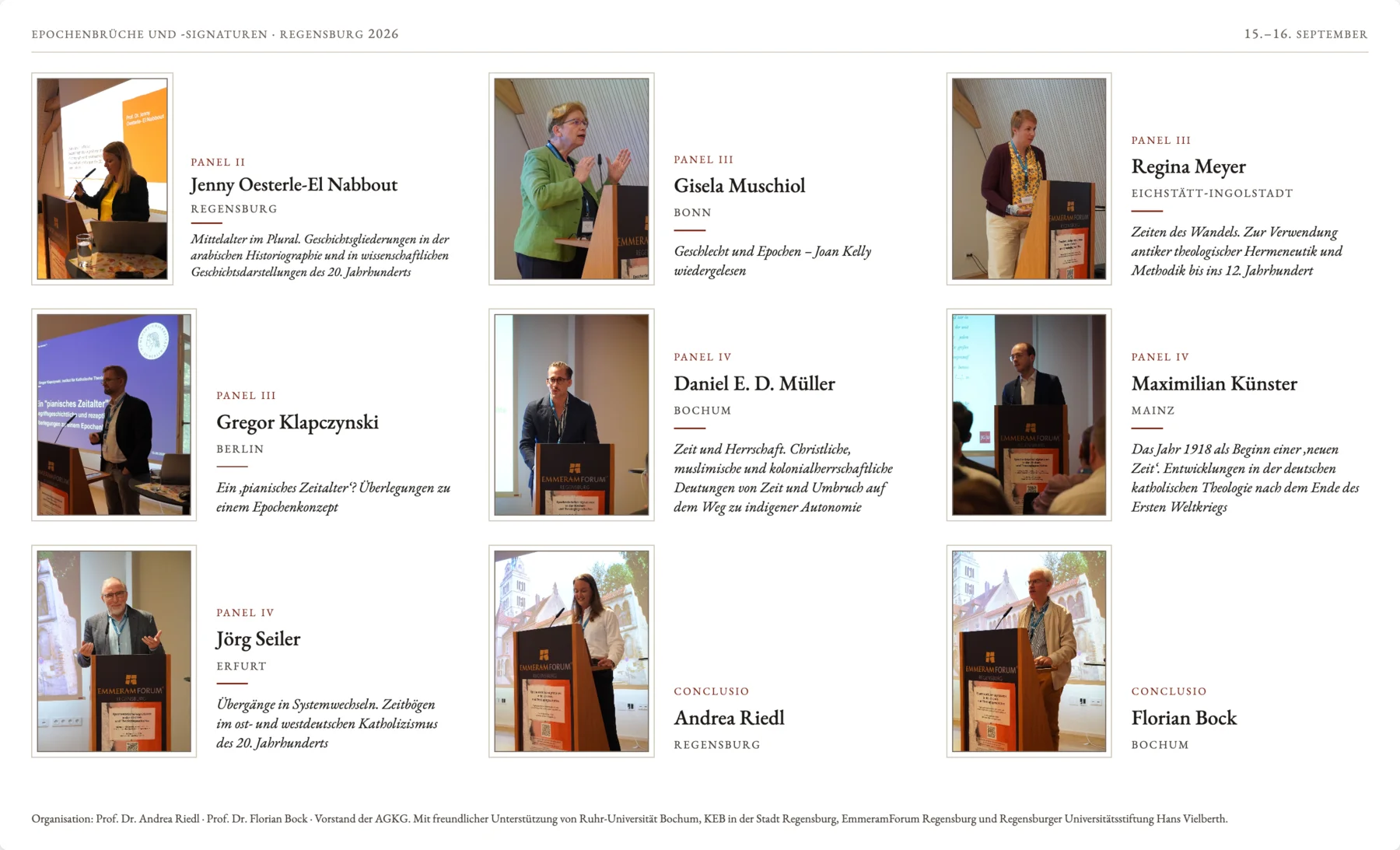
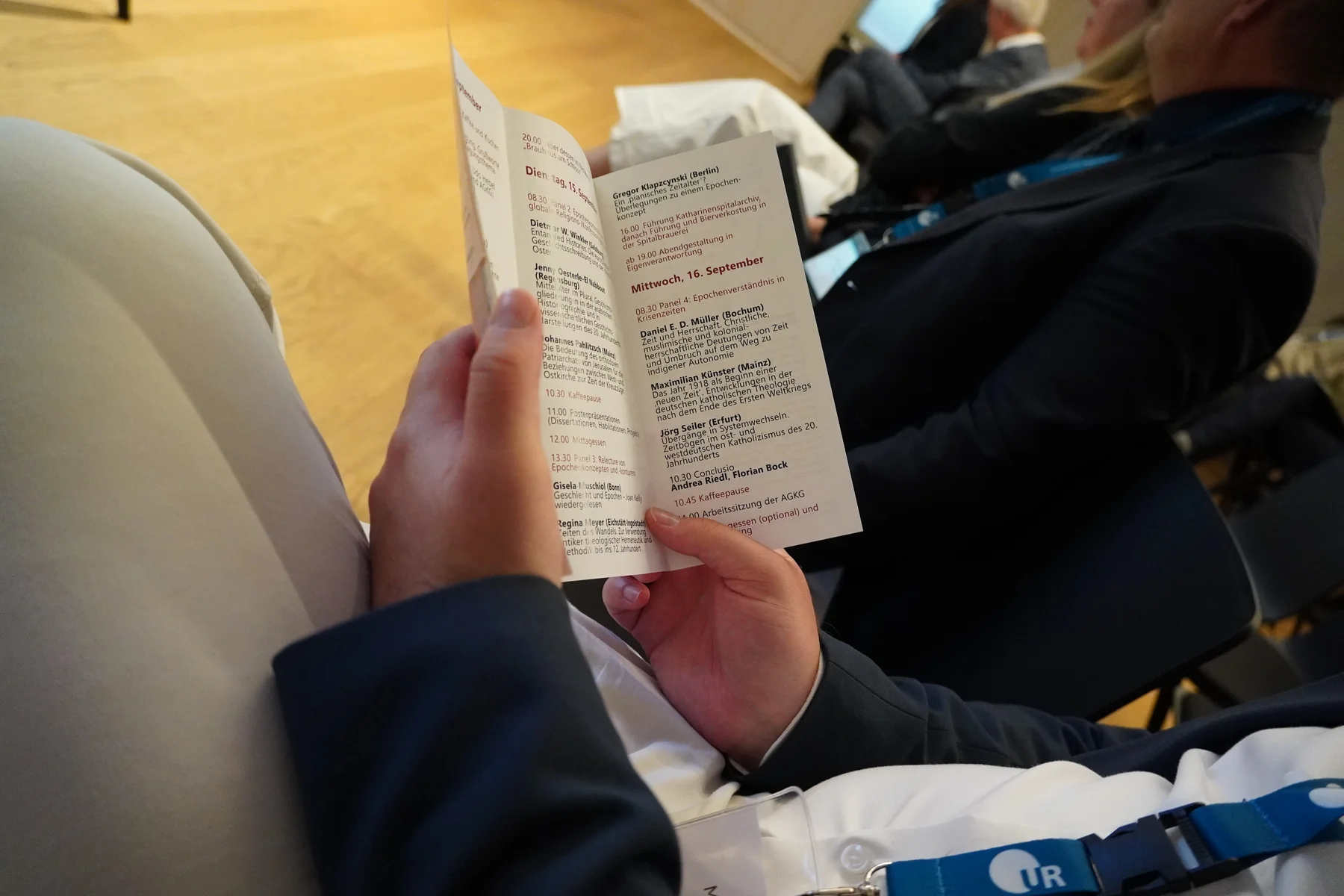
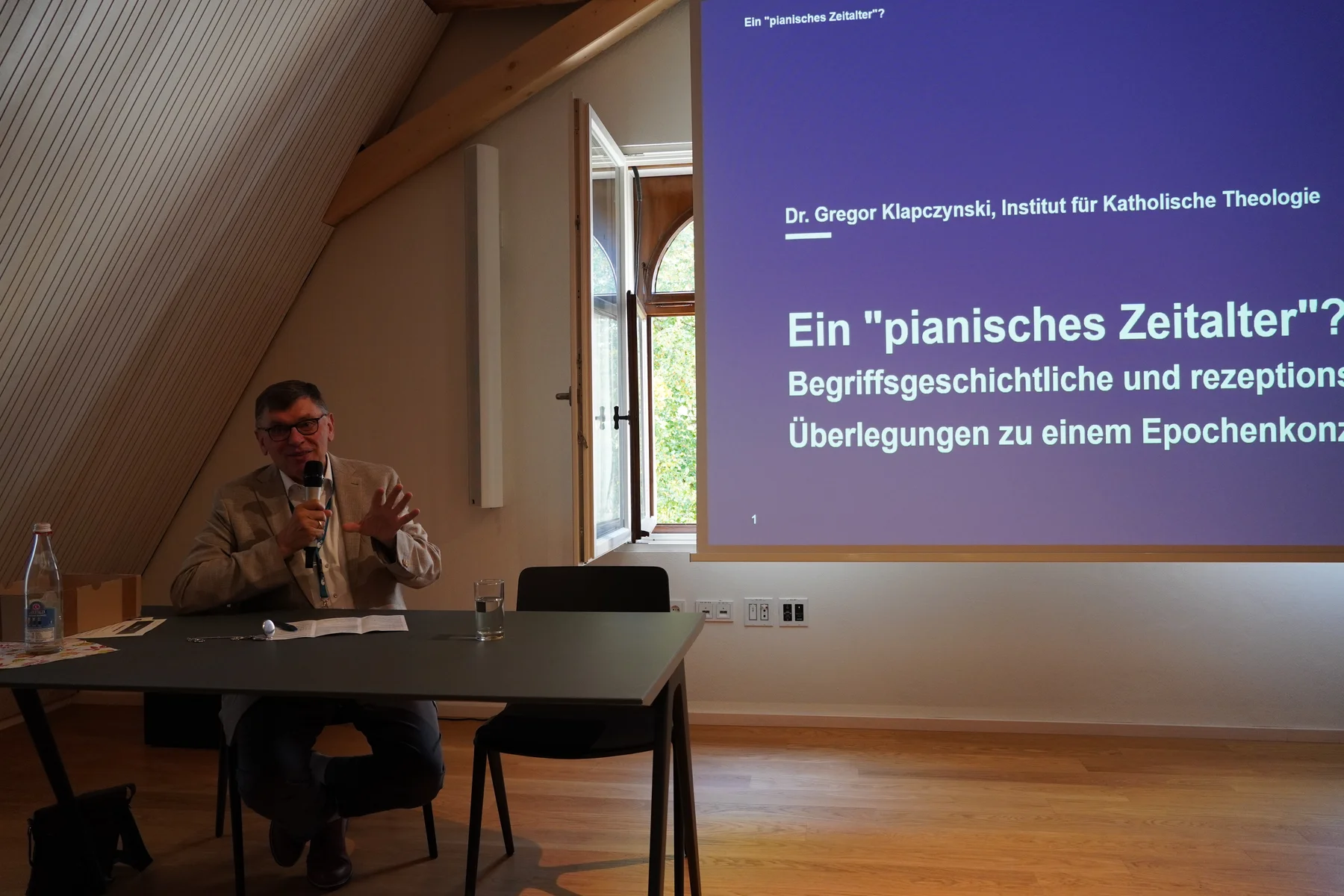
Speakers: Johanna Brankaer, Würzburg | Florian Bock, Bochum | Andreas Holzem, Tübingen | Christian Hornung, Bonn | Regina Meyer, Eichstätt-Ingolstadt | Gregor Klapzcynski, Berlin | Maximilian Künster, Mainz | Andreas Merkt, Regensburg | Daniel E. D. Müller, Bochum | Gisela Muschiol, Bonn | Jenny Oesterle-El Nabbout, Regensburg | Johannes Pahlitzsch, Mainz | Annemarie Pilarski, Paderborn | Andrea Riedl, Regensburg | Jörg Seiler, Erfurt | Dietmar W. Winkler, Salzburg
Please register by 29 May 2026 at lehrstuhl.mnkg(at)ur.de (external link, opens in a new window) or andrea.riedl(at)ur.de (external link, opens in a new window)
Please find the conference programme here (opens in a new window). Click here to view the poster (opens in a new window). (This PDF is not accessible).