

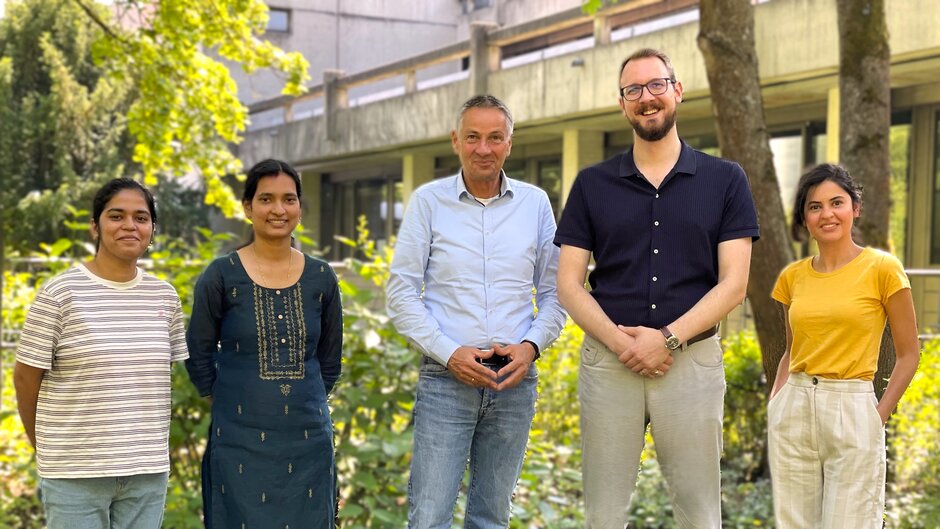
What brings early career researchers from Brazil, Estonia and India to the University of Regensburg? For four Humboldt postdoctoral fellows in Professor Burkhard König's research group, the answer is remarkably similar: outstanding science, an internationally connected research environment, and the opportunity to develop independent research at a crucial stage of their careers.
Although they arrived from different parts of the world and followed different academic paths, Shilpa Barik, Paramita Datta, Milene Macedo Hornink, and Eno Paenurk all found their way to Regensburg through scientific excellence and international networks. A research paper, a recommendation from a former professor, or a shared scientific interest ultimately led each of them to Burkhard König's internationally renowned group in photocatalysis at UR’s Institute of Chemistry.
 UR / Tanja Wagensohn
"The University of Regensburg chose me," Milene recalls with a smile. Originally planning to continue her career in Munich, she discovered König's work through the scientific literature. Their shared research interests quickly turned an initial conversation into a new research opportunity.
For Eno, whose research combines theoretical chemistry with computational modelling, the match was equally natural. His expertise aligned perfectly with the group's needs, while the University's access to high-performance computing infrastructure offered ideal conditions for his work. "It immediately became clear that this was the right place," he says.
Paramita, whose research focuses on light-driven chemical reactions inspired by nature, had long known Burkhard König's reputation in photocatalysis. After discussing possible research directions, the Humboldt Fellowship provided the opportunity to join the group.
Meet the Researchers
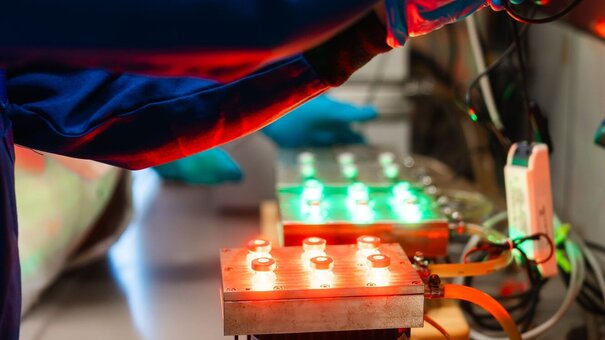
International mobility as a career milestone
For all four researchers, international experience is more than an enriching personal adventure—it has become an essential step towards an academic career. They arrived in Regensburg in the spring of 2026 and will conduct research in Regensburg until March/April 2028.
In Brazil, Milene explains, international research experience is increasingly expected from future professors. Before coming to Germany, she had already spent a year in France. Shilpa notes that in India, researchers returning from international fellowships often enjoy better career prospects. Having previously worked in Switzerland and at Princeton, Eno appreciates the opportunity to experience different scientific cultures and research environments.
Burkhard König observes that this trend extends well beyond postdoctoral research. International mobility has become an integral part of doctoral education, with many PhD candidates now spending several months abroad before completing their degrees. "Science has always been international," he says. “Our goal is to bring this international perspective to Regensburg and to the students.”
 UR / Tanja Wagensohn
Research without borders
Inside König's laboratory, international collaboration is part of everyday life. Researchers from around the world work side by side, while a world map in the group's kitchen marks the countries from which visiting scientists have come over the years. The map is covered in pins and small pictures of former fellows.
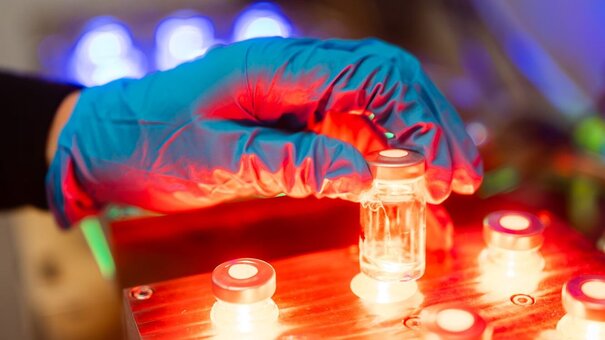
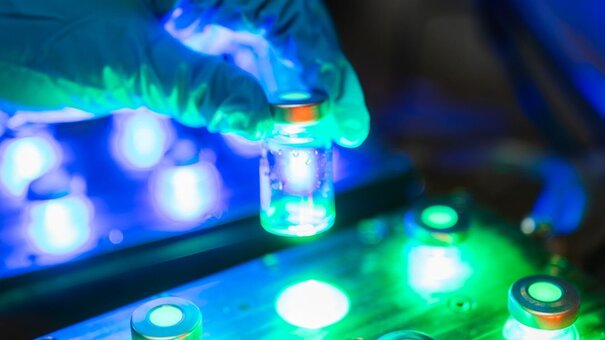
The diversity is reflected not only in nationalities but also in scientific expertise. In Regensburg, experimental chemists collaborate closely with computational researchers, combining complementary approaches to tackle complex questions in photocatalysis and sustainable chemistry.
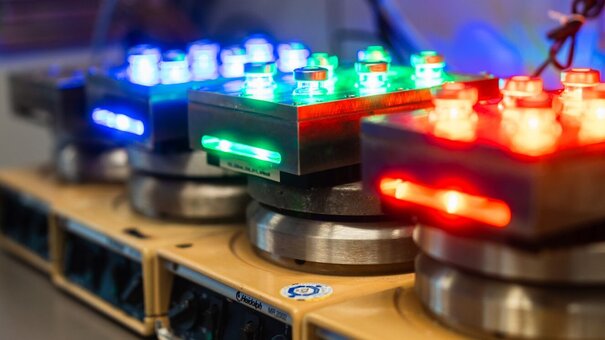
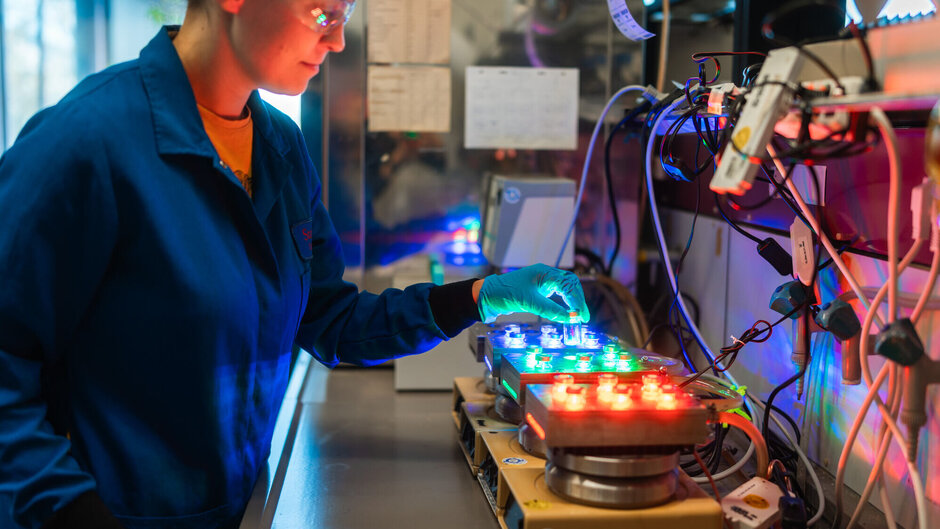
The four postdocs agree that the University's research infrastructure provides outstanding opportunities. Modern laboratories, excellent instrumentation and access to advanced computing resources enable ambitious projects that would often be difficult to realize elsewhere.
Milene particularly appreciates the well-equipped laboratories. "Research infrastructure is much better funded here than in Brazil," she explains, while noting that working with limited resources at home has also taught her creativity and efficiency. Paramita and Shilpa draw similar comparisons with India, highlighting both the excellent facilities and the favourable working conditions in Regensburg, where smaller laboratory teams allow researchers to conduct experiments more efficiently.
 UR / Julia Dragan
Independence through mentorship
Their mentor Burkhard König describes his mentoring philosophy in simple terms: provide an excellent environment, encourage discussion, and allow researchers to develop their own scientific direction. "Everything is yours," he tells his postdocs. "You have to find your direction and develop your own project." Whenever necessary, he provides guidance.
The fellows appreciate this independence. They describe an open atmosphere where new ideas are welcomed, scientific discussions happen naturally, and support is always available whenever needed. Burkhard König, himself a Henriette Hertz Scout, believes this combination of independence and guidance benefits both individual researchers and the group as a whole. "They already made an impact," he says.
Support beyond the laboratory
International mobility also comes with practical challenges, and the University of Regensburg strives to make researchers feel at home from the very beginning. Have there been any wow moments for the four researchers? One aspect repeatedly praised by the fellows is the support provided by UR’s International Office. Assistance with accommodation and administrative matters allowed them to focus on their research from their first day in Regensburg.
For Shilpa, who arrived with her baby daughter, this support proved especially valuable. Together with Professor König and his team, practical solutions were found that enabled her family to settle successfully. The researcher’s parents even take turns to travel to Regensburg to babysit, which is quite a journey. A rather challenging way of combining childcare and laboratory work. Burkhard König reflects that balancing research and parenthood remains a significant challenge worldwide, making institutional support even more important.
An African researcher he invited to his group had to reject the fellowship because she could not arrange a research stay abroad with her two children, König says.
Outside the laboratory, the researchers have quickly found their own routines. Some enjoy jogging along the Danube or the Regen, others prefer cooking meals from home, exploring Regensburg's historic center or simply spending time with colleagues and friends.
 UR / Tanja Wagensohn
A place to grow
Asked whether they would recommend the University of Regensburg to other researchers, the answer comes immediately—and unanimously. All four nod. Their reasons extend beyond excellent research conditions. They value the welcoming atmosphere, the international community and the opportunity to pursue ambitious research while developing as independent scientists. "This experience is life-changing," Milene says. “It will be very helpful for my career.”
For Burkhard König, their success reflects the strength of international collaboration itself. Research, he believes, advances when talented people from different backgrounds work together, exchange ideas and build lasting scientific networks. UR’s Institute for Chemistry is welcoming more Alexander von Humboldt Foundation fellows than ever before, König says.
Awarded to exceptionally talented international postdoctoral researchers, the Humboldt Research Fellowship provides the freedom to pursue innovative research while building lasting collaborations with German research groups. Beyond supporting cutting-edge science, the fellowship fosters an international network of excellence that connects researchers across disciplines and continents.
At UR’s Institute for Chemistry, these global connections are becoming part of everyday research—one fellowship, one collaboration and one discovery at a time.