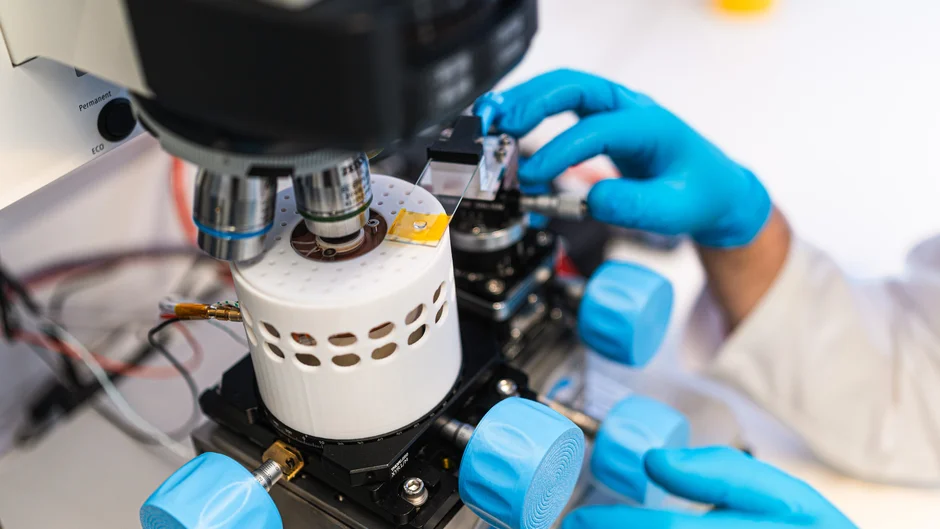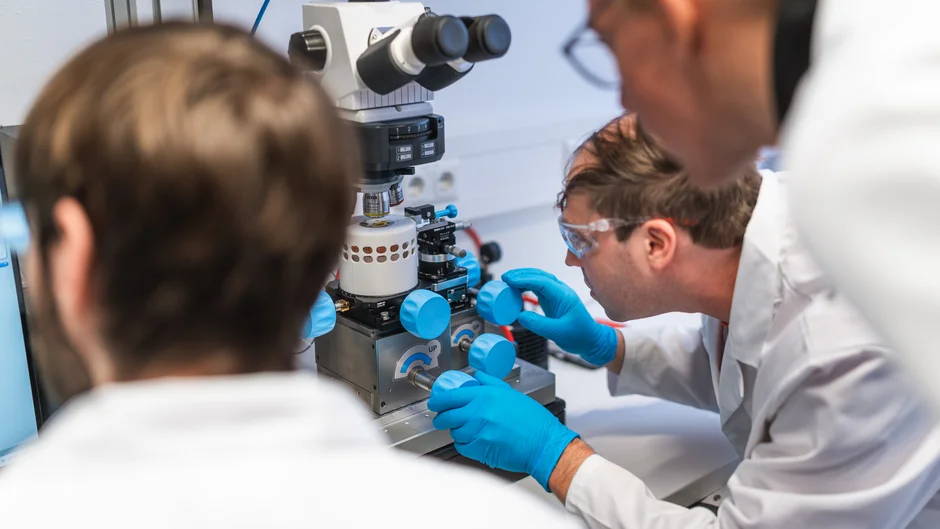

Ultrafast Nanoscale Dynamics: Instruments and Experimental Setups
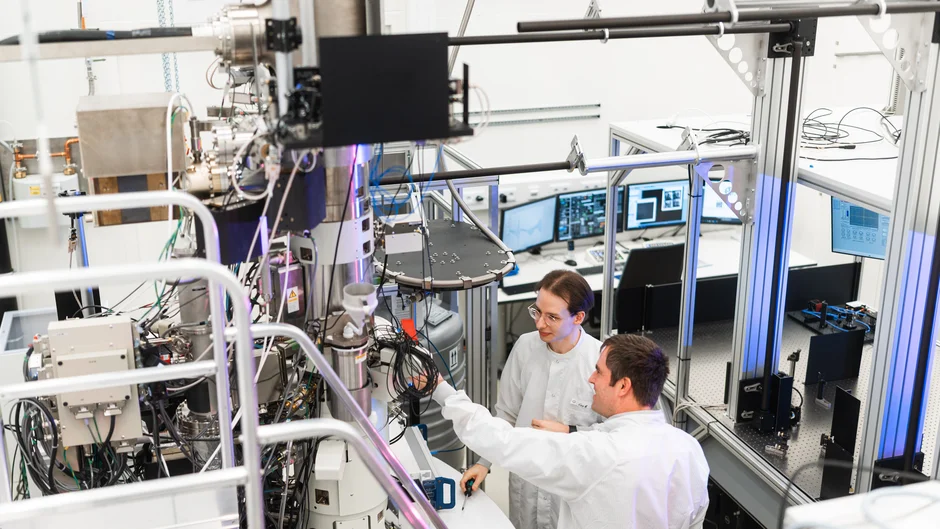
Resolving ultrafast dynamics on the nanoscale calls for specialized techniques. Transmission electron microscopy (TEM) provides exceptional spatial resolution, down to the atomic scale, along with a range of complementary methods for probing the electronic and spin structure of a material. Optical pump-probe approaches, on the other hand, offer femtosecond temporal resolution: an ultrashort laser pulse (pump) excites the sample, and a second, delayed pulse (probe) measures its response. Our group employs both techniques and unites them in our ultrafast transmission electron microscopes (UTEMs), where an optical pump is paired with an ultrashort electron pulse as the probe. This allows us to capture processes such as structural and magnetization dynamics, or electron–light interactions, with nanometer spatial and femtosecond temporal resolution.
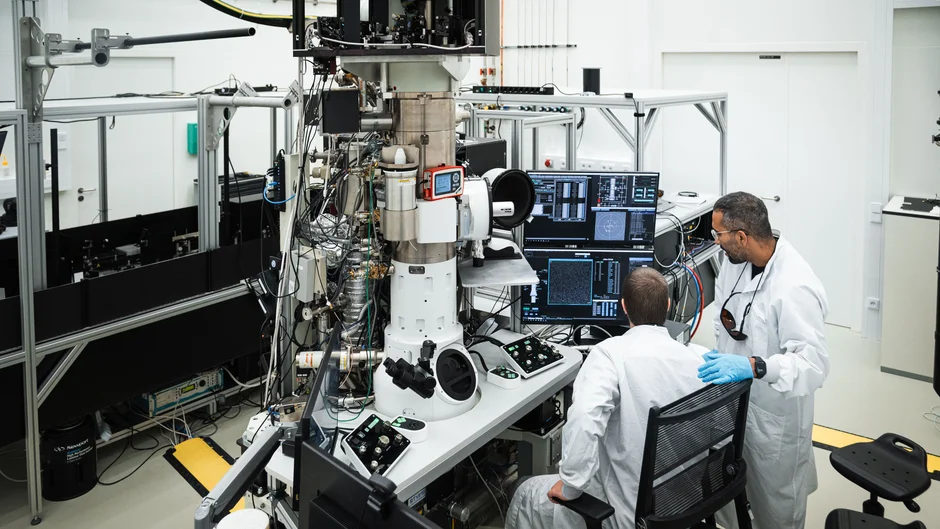
Ultrafast Transmission Electron Microscopes
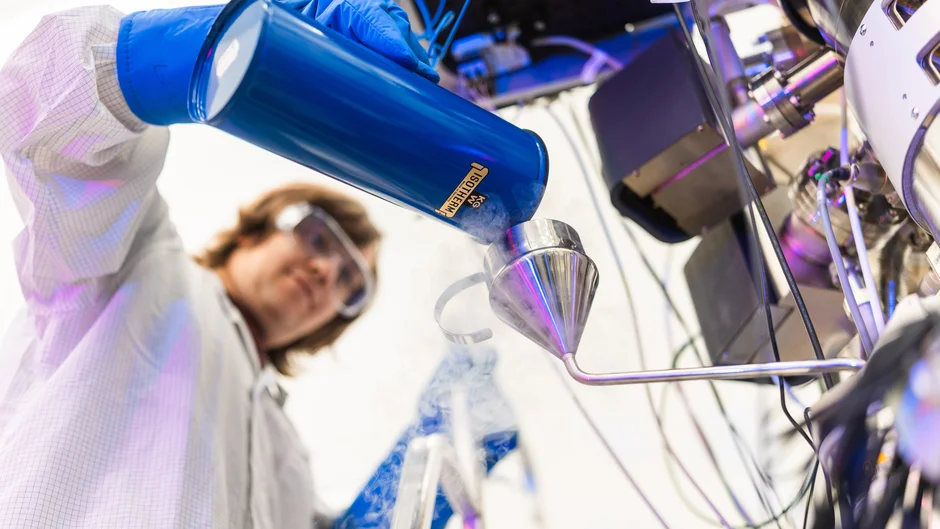
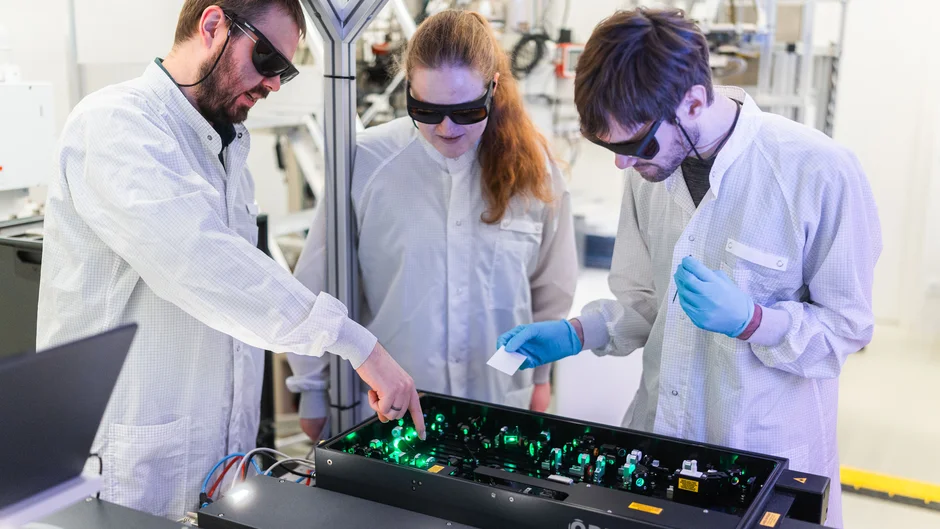
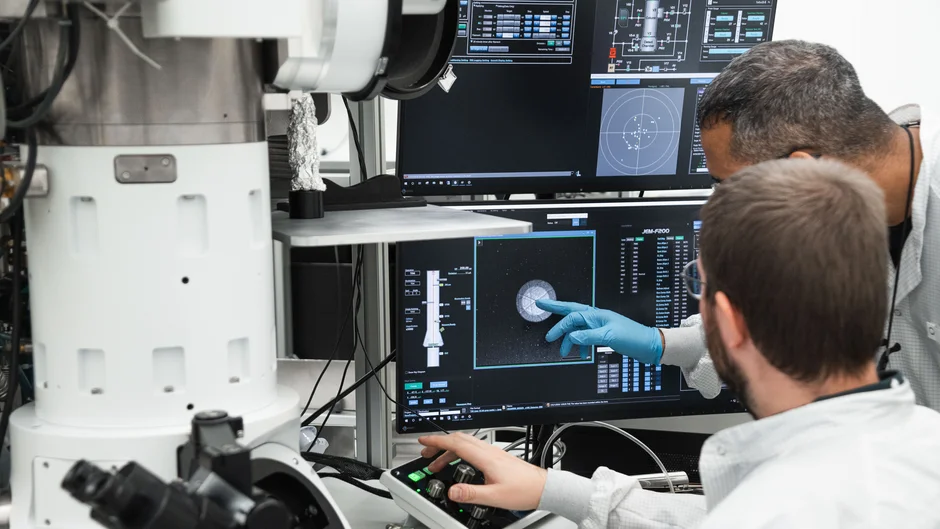
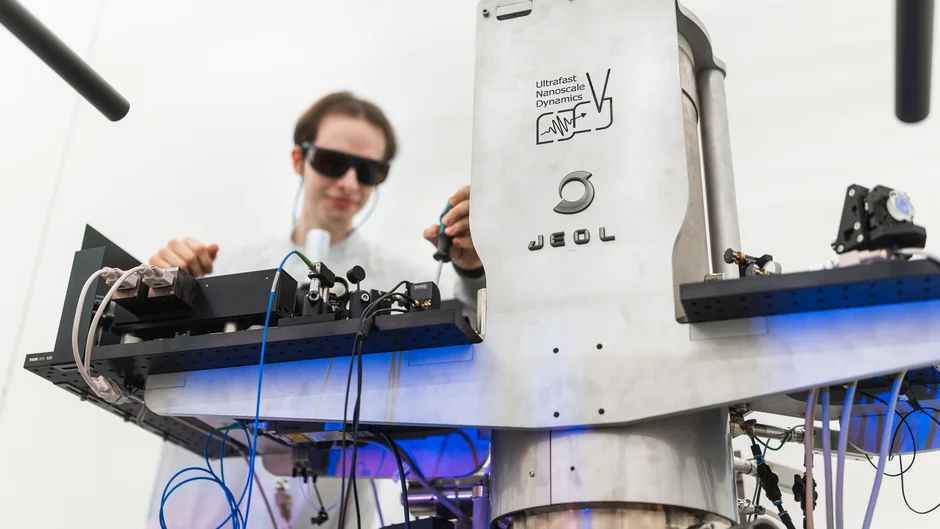
Our group operates two UTEMs: the JEOL F200 and the NeoArm. Both setups integrate a conventional TEM with a femtosecond laser system. Their modified electron sources generate the photoelectron pulses required for ultrafast experiments. To enable real-space imaging, diffraction experiments, and energy-resolved measurements, both UTEMs are equipped with several types of cameras and an energy filter. The NeoArm also features a state-of-the-art aberration corrector, enabling sub-atomic electron foci. Since many experiments have very specific requirements, we have extensive experience in directly modifying the setup and the control of individual components to achieve ideal measurement conditions.
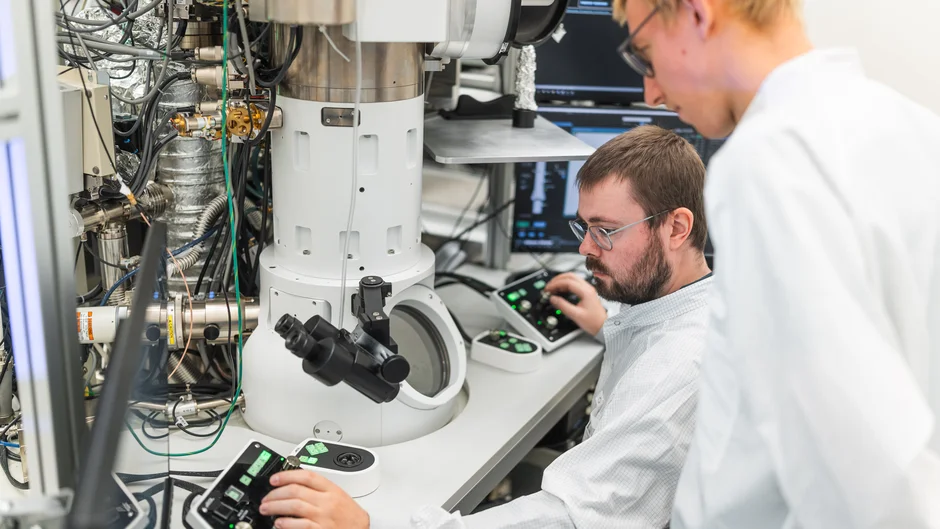
Advanced Electron-Optical Techniques
A TEM is a versatile instrument that can do much more than resolve the structure of condensed matter. We apply a range of measurement techniques to study a wide variety of material properties.
One of our research interests is the investigation of particles in liquids using a dedicated liquid-cell TEM holder. This enables us to observe particle dynamics, ordering phenomena and emerging superstructures in confined volumes. Our samples range from gold nanoparticles to biological specimens.
Lorentz microscopy allows us to investigate magnetic textures and their dynamics. Excitation with laser pulses or radio-frequency fields modifies the magnetic texture, leading to the creation and annihilation of topological structures, such as skyrmions as well as to oscillatory magnetization dynamics.
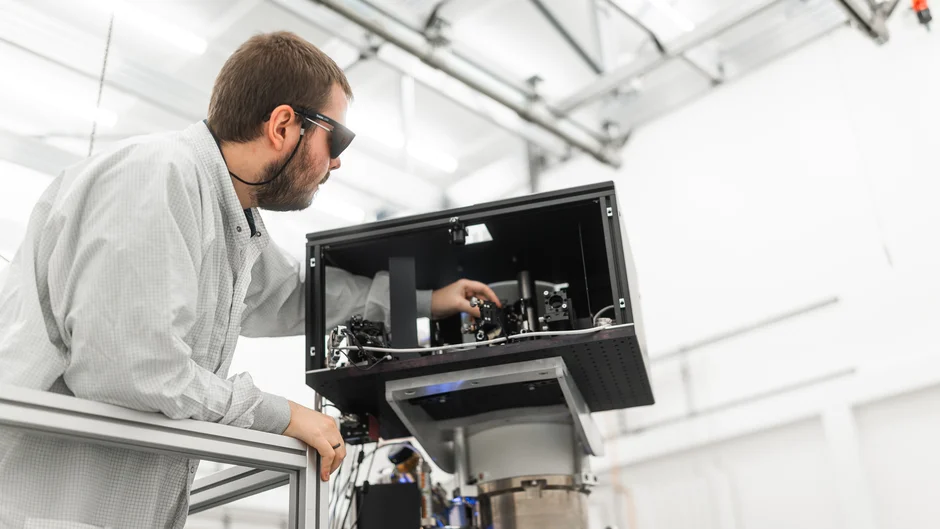
Another major focus of our group is the interaction of electrons and light inside the TEM. For this purpose, we have built several optical setups and use the energy filter of the TEM to characterize this interaction.
We also investigate the nonlinear dynamics of membranes using several electron diffraction methods in combination with laser excitation. As an example, a resonator made from a thin silicon membrane can exhibit complex mode shapes and other intriguing behavior.
To study the behavior of photoemitted electrons in detail, we combine experiments with numerical simulations and analytical calculations. A better understanding of the emission process could enable us to tailor the properties of the electron beam.
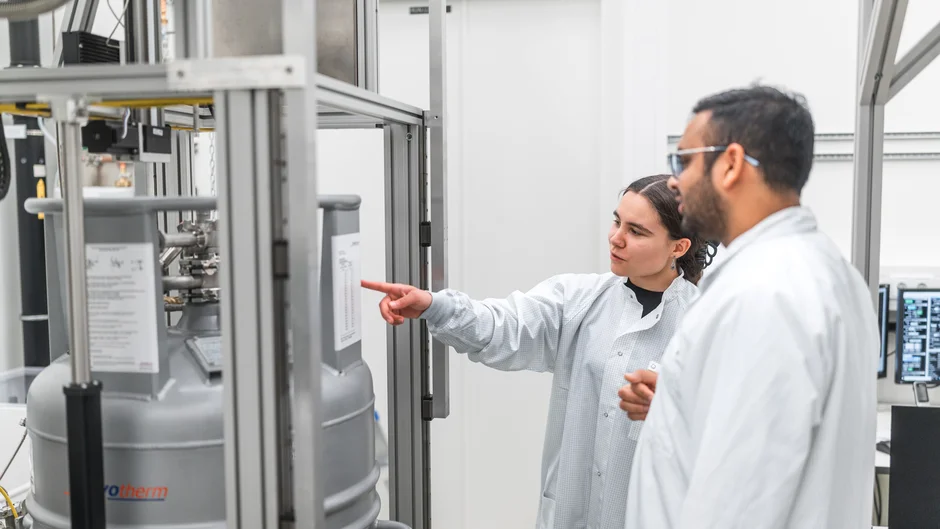
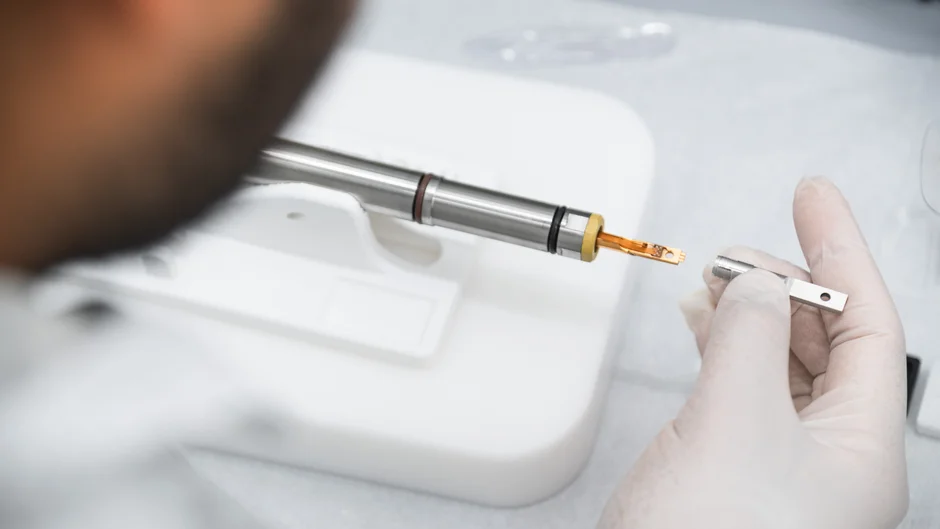
In addition to conventional single- and double-tilt TEM holders, we use a number of specialized holders, most notably a liquid-cell holder, a liquid-nitrogen cooling holder, a self-built radio-frequency (RF) holder and a home-built optical-fiber holder. Our newest addition is a liquid-helium cooling holder, which allows us to cool samples to just a few kelvin to investigate temperature-dependent phenomena, such as phase transitions, in a wide range of material systems.
Ultrafast Optics
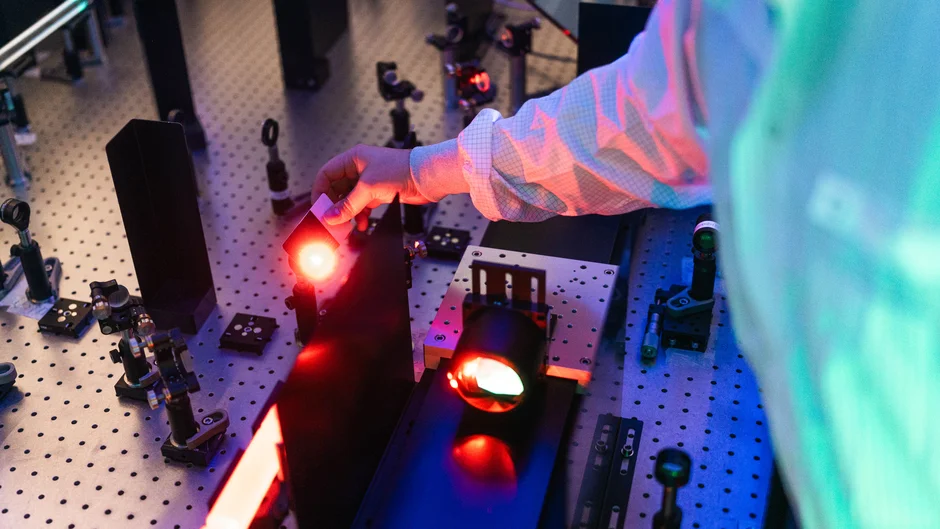
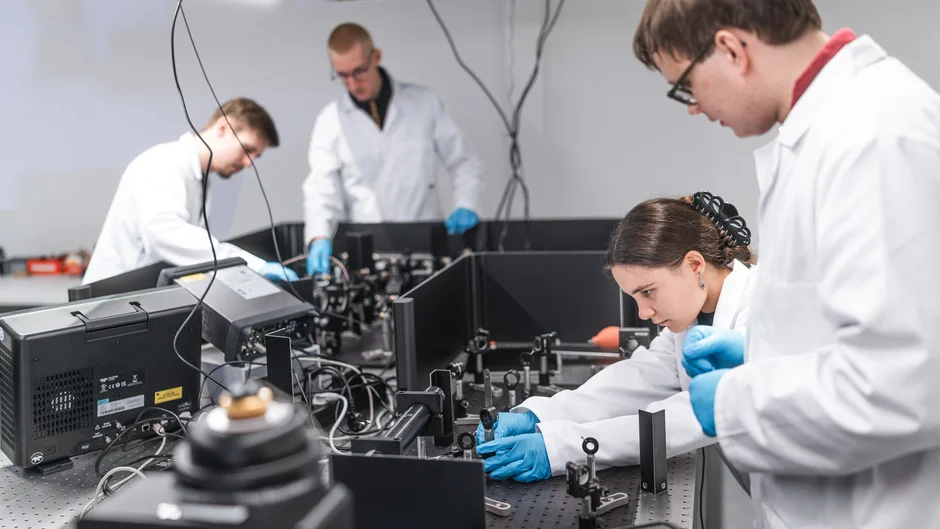
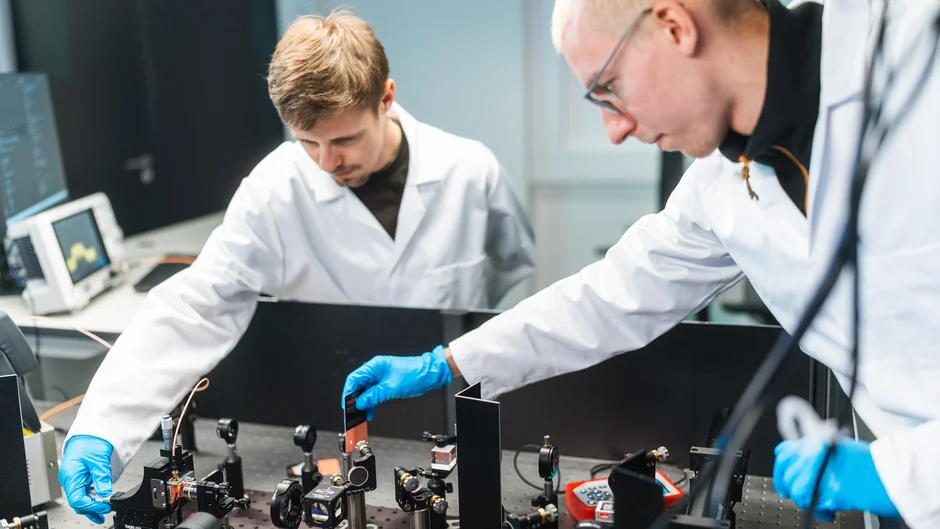
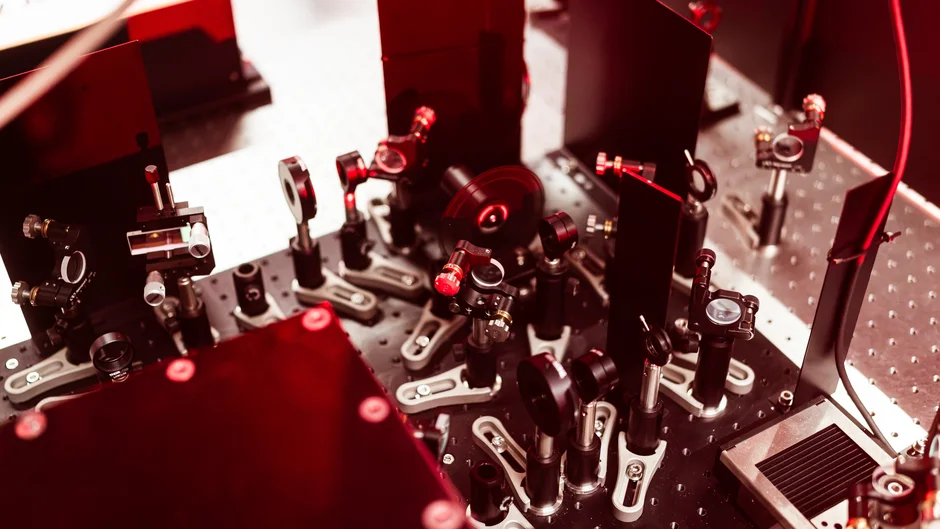
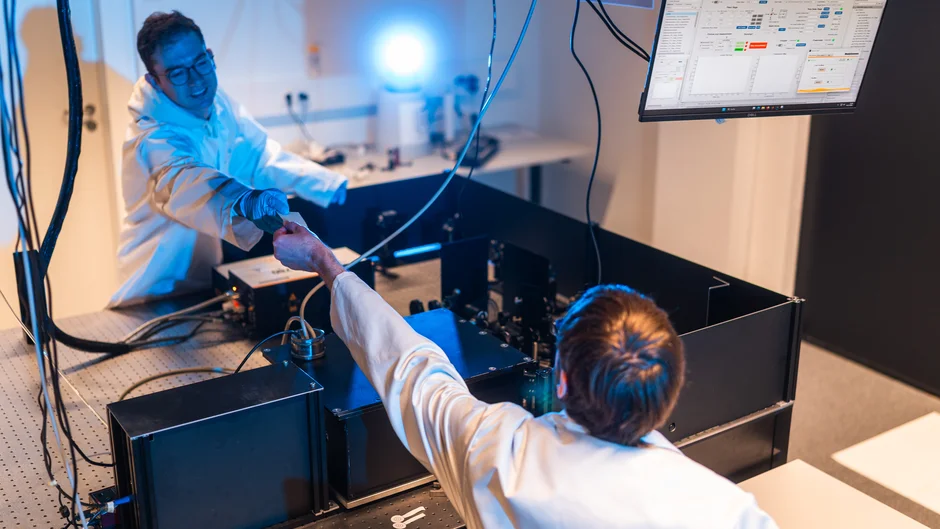
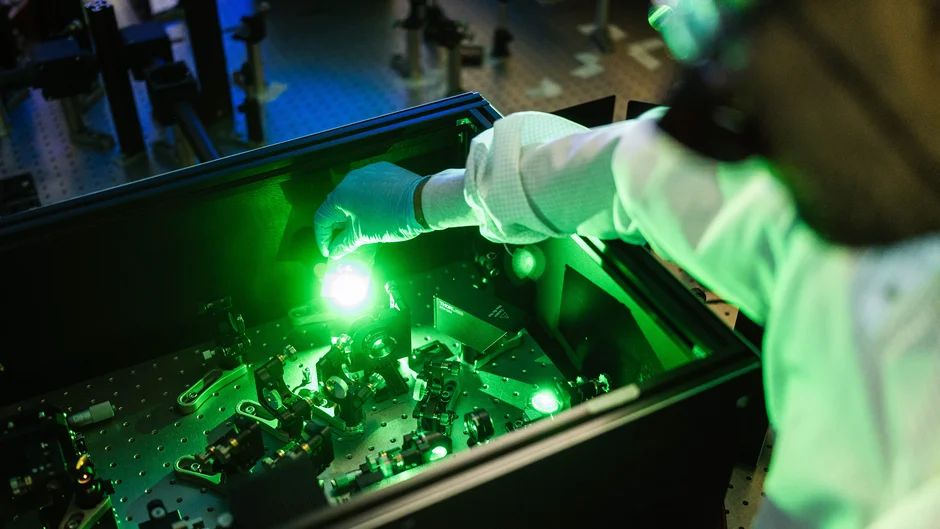
In addition to electron microscopy, optics plays an important role in many of our experiments. At the F200 we use a self-built non-collinear optical parametric amplifier (NOPA), which provides broadband excitation pulses and enables the detection of transient field dynamics and absorption behavior.
A separate setup is dedicated to terahertz time-domain emission microscopy (THz-TDEM), in which we spatially resolve the THz fields that materials emit upon laser excitation. The recorded waveforms in this experiment give access to ultrafast charge and lattice dynamics. In addition, a dedicated THz source installed at the TEM is designed to deliver intense THz transients that drive the sample, directly linking THz excitation to our TEM experiments.
Another optical setup is a self-built laser Doppler vibrometer (LDV), which allows us to track the vibration amplitude and phase of nanomechanical resonators with high fidelity. To map the response of a resonator, it is placed inside a custom-built vacuum chamber, and the laser used to excite the mechanical motion is scanned across the resonator. The LDV provides a comparatively simple way to characterize vibrational dynamics and is therefore ideal for the pre-characterization of TEM samples.
Materials & Sample Preparation
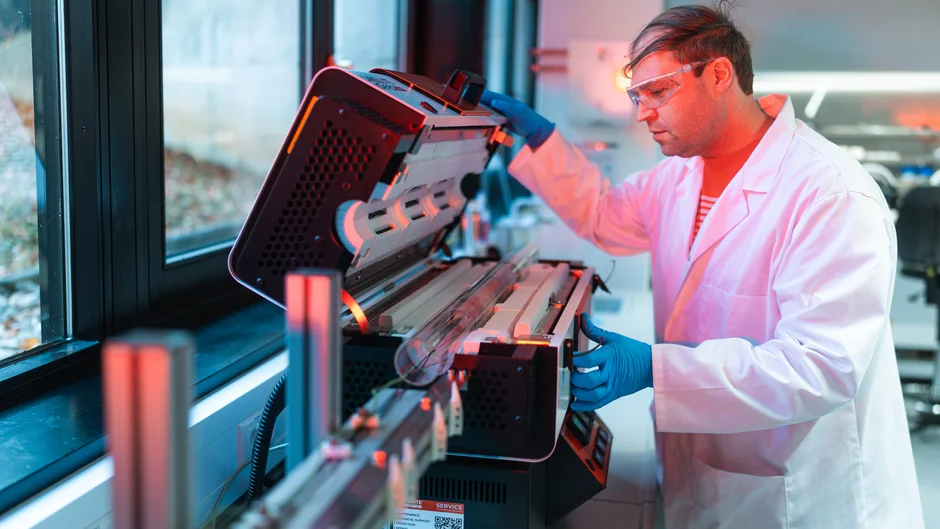
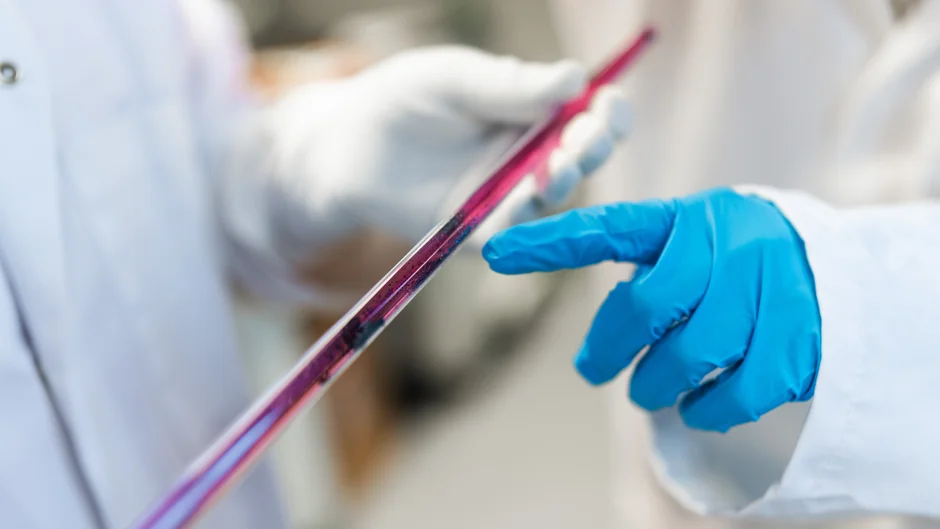
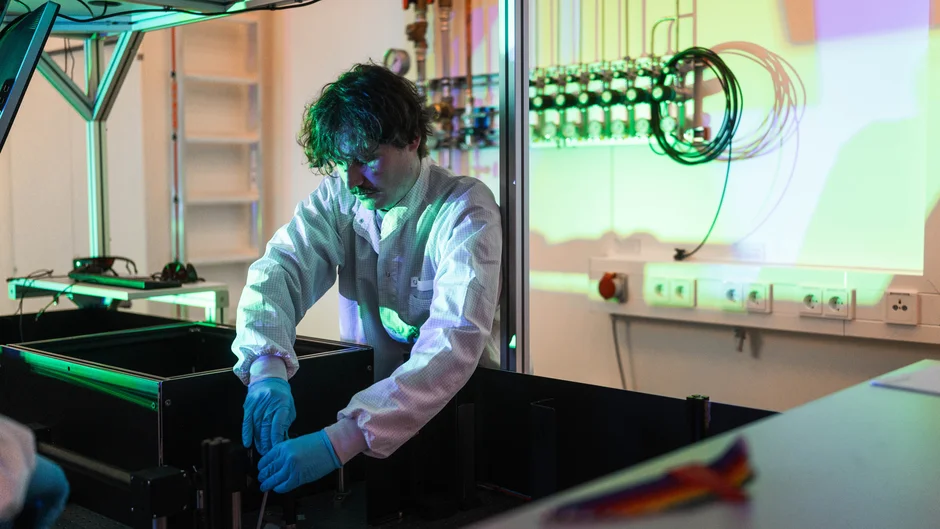
Our laboratory specializes in the synthesis of 2D materials for THz emitters, spintronics, and UTEM applications. A three-zone gradient furnace is used for crystal growth and purification via chemical vapor transport (CVT) and physical vapor-phase processes. The system is operated through dedicated software, allowing precise control of temperature profiles and process conditions.
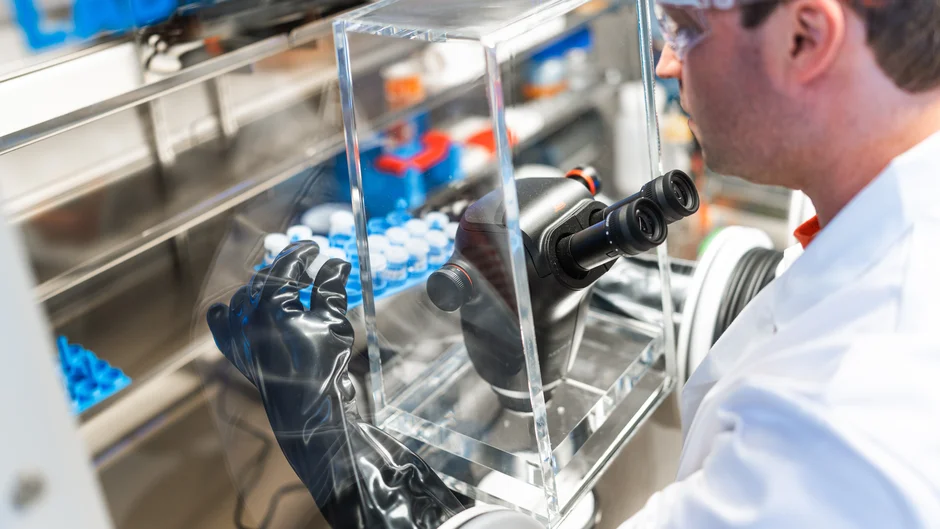
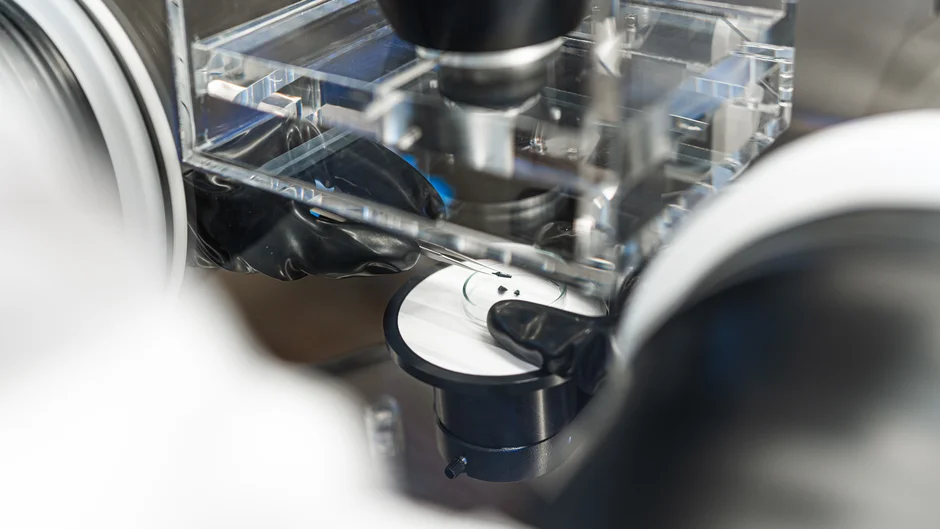
Both commercially available 2D materials and our own CVT-grown crystals are further processed into few-layer flakes by mechanical exfoliation and transferred onto application-specific substrates. Our transfer setup uses a viscoelastic stamp-based technique and enables precise positioning and alignment of 2D materials, including controlled twist angles, while providing high reproducibility and sample stability.