

Alternative methods: Advancing research, protecting animals
Alternative methods are procedures that replace animal testing or help to reduce the number of animals used and minimise stress. They are therefore an important part of the 3Rs principle (Replace, Reduce, Refine) and aim to make research more animal-friendly and scientifically precise at the same time.
What alternative methods are there?
Alternative methods include different approaches, depending on the research question:
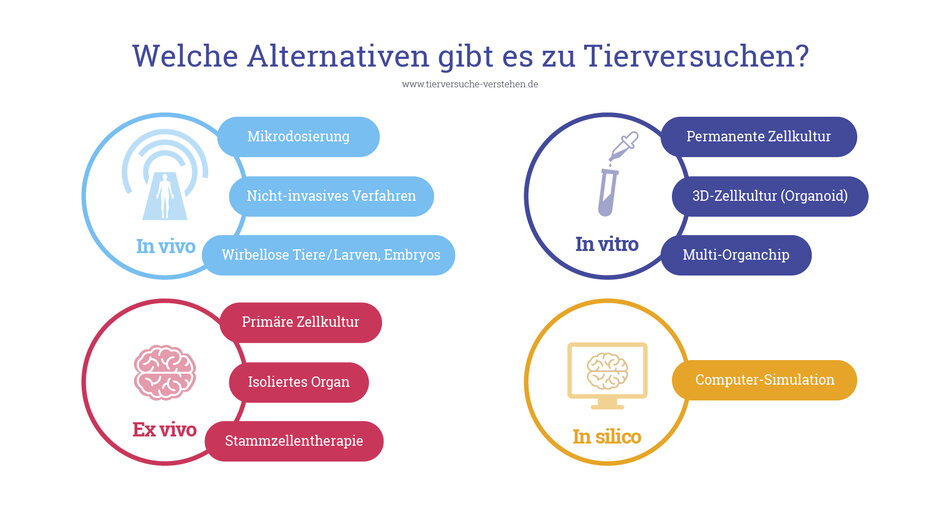
- Studies on cells and tissues (e.g. cell cultures, 3D tissue models or organoids) to specifically test biological processes and effects.
- Studies on tissue removed from outside the body (ex vivo), if suitable models are available.
- Computer-aided methods (in silico), for example to predict effects, assess risks or improve Study Plan.
- Methods that make interventions gentler, improve measurements or allow closer monitoring of progress, thereby reducing stress (refinement) and often also reducing animal numbers (reduction).
Why don't alternative methods replace everything?
Many alternative methods can excellently depict very specific aspects - for example individual cell types or tissue. However, certain questions still require an understanding of complex interactions in the entire organism (e.g. between organs, immune system, metabolism and nervous system). For this reason, alternative methods are used either as a complete replacement or as a supplement, depending on the research question, in order to specifically avoid or minimise animal experiments or to make them less stressful.
Recognition and quality assurance
In order for alternative methods to actually replace animal testing in regulated areas, they must be scientifically reliable. This means that their validity and reproducibility must be verified and they must provide at least equivalent information for the respective research question. High quality requirements are particularly important here because research results often also support safety-related decisions (e.g. in the assessment of risks or the development of therapies).
Sea anemones as an alternative to vertebrate experiments
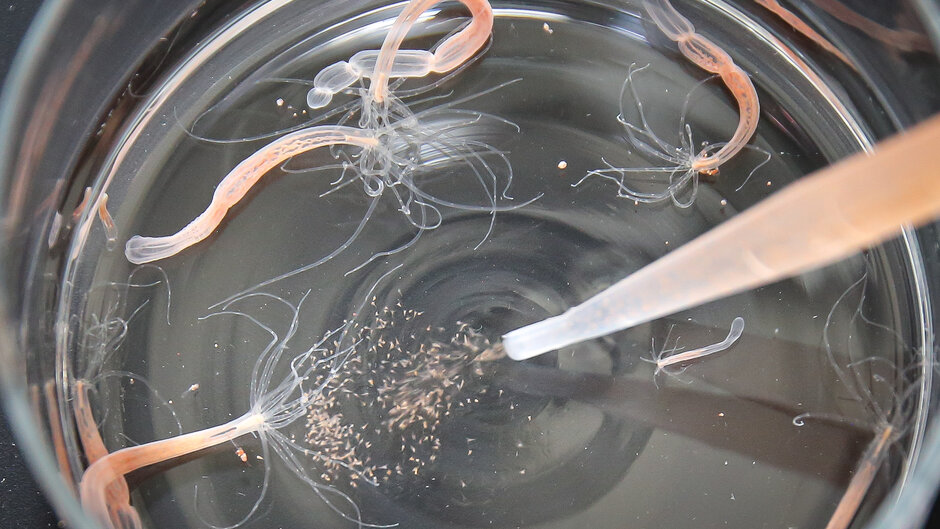
In certain areas, sea anemones can be an alternative to experiments on vertebrates - in the sense of the 3R principle ("Replace"), i.e. the replacement of vertebrate experiments with other models. This is always possible if the scientific question can be answered meaningfully and reliably in an invertebrate organism.
What are sea anemones suitable for?
Sea anemones are particularly valuable for basic research. Among other things, they are used to investigate fundamental biological processes, e.g:
- Development and body plans (how tissues and structures form).
- Wound healing and regeneration (how tissue is restored after injury).
- Evolutionary questions (which mechanisms are very old and fundamental in the animal world).
- Aspects of nerve cell and tissue development, provided the question can be answered with a simple nervous system.
For such topics, sea anemones can help to test hypotheses, narrow down mechanisms and thus avoid vertebrate studies or at least plan them more specifically and with fewer animals.
What are the limits?
Sea anemones do not replace vertebrates in all areas. For many biomedical questions - for example when it comes to complex organ physiology, an immune system comparable to that of mammals, drug distribution in the body or certain diseases - invertebrates are only suitable to a limited extent. Therefore, sea anemones are usually not a complete substitute, but as an upstream model they can help to reduce animal experiments and better focus research.
Legal classification (brief)
Sea anemones are invertebrates and in the EU context are not subject to the regulations that apply specifically to experiments on vertebrates and cephalopods. Irrespective of this, work with invertebrate models should also be carried out responsibly - with professional husbandry and the gentlest possible procedures, both for ethical reasons and to ensure reliable scientific results.
Small animals, big impact: insects in research
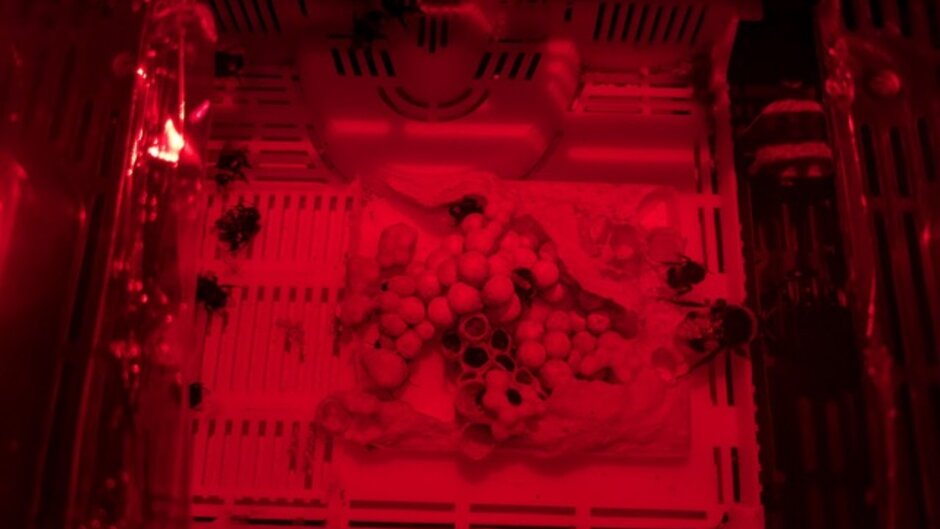
Insects make an important contribution to science in research - and help to significantly reduce traditional animal experiments with vertebrates. This approach is also being pursued at the University of Regensburg, for example in evolutionary ecology (external link, opens in a new window) or neurogenetics (external link, opens in a new window).
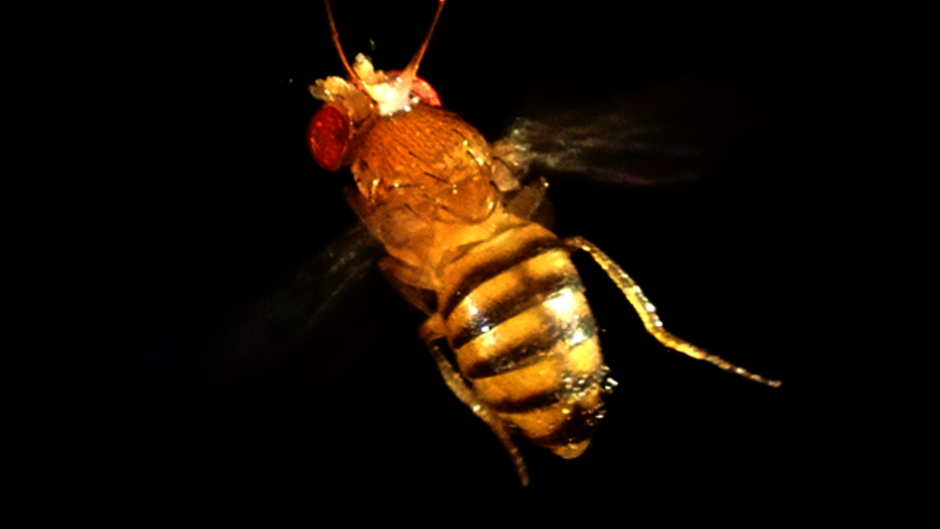
Insects can serve as so-called model organisms in many areas - in other words, as representatives for investigating biological processes. The fruit fly Drosophila is particularly well known. It has been used in genetics for over 100 years. Many fundamental findings on heredity, development and even human diseases have come from research with this animal, which is only a few millimetres in size.
However, ants, bees and bumblebees can also be used to gain important insights into development processes, disease development and learning behaviour with reduced stress and in a very resource-saving manner. In this way, scientific questions can be answered without having to resort to more complex animals.
In addition, studies on insects provide important insights into environmental changes and the state of ecosystems. This research is therefore not only medically relevant, but also ecologically significant.
Even if insects are not usually legally considered laboratory animals in the strict sense, responsible handling remains a matter of course. Modern research follows the principle of minimising stress and consistently developing alternatives. The use of insects is an important building block for ethically reflected science.