
Kick-Off Meeting at the Lucas Cranach Campus Kronach of Coburg University of Applied Sciences and Arts
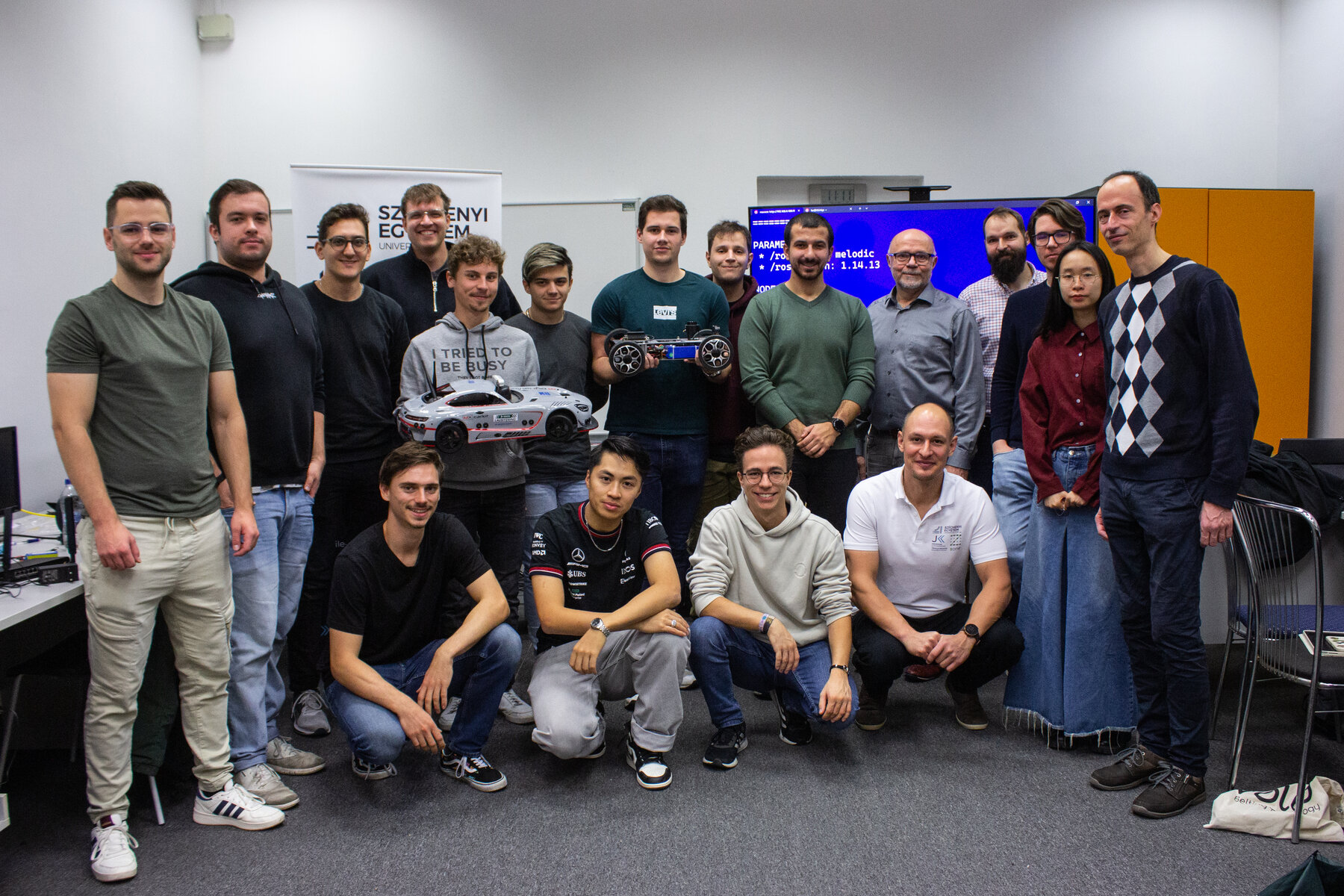
From 20 to 23 April, the Lucas Cranach Campus Kronach of Coburg University of Applied Sciences and Arts hosted the kick-off meeting for a Bavarian-Hungarian interdisciplinary student project on self-driving vehicles. The project is supported by BAYHOST and in-volves three other universities: the Széchenyi István University in Györ (Hungary), Hochschule München University of Applied Sciences and Landshut University of Applied Sciences.
During the kickoff meeting 14 students prepared themselves for solving tasks in the field of autonomous driving. They will be working together in two teams until the end of 2023. Apart from virtual cooperation, three more face-to-face meetings are planned. In each team, there are students both from Széchenyi István University in Györ and from different Bavarian universities. Some of them have already gained practical experience as members of Formula Student teams.
The goal is to develop professional and human relationships between the participating students and to prepare them for working in an international and interdisciplinary environment. The students will combine knowledge from different disciplines (engineers, lawyers, economists) and become familiar with result focused project work. In addition, the student project should contribute to joint research and cooperation between their universities.
The host of the kickoff meeting, Coburg University of Applied Sciences and Arts, offers a master program in autonomous driving that can be studied also in English language from the coming winter semester on. On the Hungarian side, the project is coordinated by Dr. habil. Barna Hanula, Dean of the Audi Hungaria Faculty of Automotive Engineering.
In autumn, the students will have the chance to visit Széchenyi István University in Györ and Zalazone, one of the most advanced automotive test facilities in Europe. Hochschule München University of Applied Sciences and the affiliated institute MdynamiX are partners of the VDI Autono-mous Driving Challenge (VDI ADC), the young talent competition for autonomous driving model cars on a scale of 1:8. In the framework of the project, a visit and possibly active par-ticipation in this competition in August at DEKRA Lausitzring is foreseen.
The two teams will be working with software for development and simulation and with
hardware (model cars). The supervisors from
Munich University of Applied Sciences will assign them tasks for self-driving vehicles on a regular basis, including detection of lines, traffic
lights and signs as well as parking.
It is highly desirable to organize another edition of the project in 2024 that will be open to further universities.
At Audi Hungaria Faculty of Automotive Engineering at Széchenyi István University in Györ
The second part of the Bavarian-Hungarian interdisciplinary student project on self-driving vehicles took place in the winter semester of 2023/24. Prof. Dr. Markus Krug and William Engel from the Faculty of Mechanical Engineering, Automotive Engineering, and Aircraft Engineering at Munich University of Applied Sciences visited the Audi Hungaria Faculty of Automotive Engineering at Széchenyi István University in Györ from November 1 to 3 with 10 students from the Hochschule München University of Applied Sciences and Landshut University of Applied Sciences.
There, the group from Bavaria had the opportunity to visit ZalaZONE, a 250-hectare vehicle testing ground designed specifically for the development and validation of autonomous and electric vehicles. The ZalaZONE ecosystem includes various types of test tracks (e.g., highway, urban terrain, hilly terrain), a smart city, a conference center, and a science park.
The science park is home to research teams from universities, industrial laboratories, and business incubators, and offers dual study programs. Current research projects focus on applied meteorology to increase energy and transport efficiency, sustainable agriculture, IoT solutions for smart cities (cooperation between vehicles and buildings), and autonomous test ecosystems for energy solutions.
In a workshop at the Audi Hungaria Faculty of Automotive Engineering, students from Munich and Landshut, together with students from Györ, were given the task of programming robotic vehicles with LiDAR laser scanners to stay on track on a winding course with outer boundaries and not drive into the wall, which they managed quite well after several attempts and corrections.
The final meeting at the Universities of Applied Sciences in Munich and Landshut
From November 30 to December 2, the final meeting of this year's project took place at the Hochschule München University of Applied Sciences and Landshut University of Applied Sciences, attended by four students from Széchenyi István University in Györ, led by Prof. Dr. habil. Barna Hanula, Dean of the Audi Hungaria Faculty of Automotive Engineering. During a lane keeping workshop, the students from Györ, Munich, and Landshut were supervised by mentors from Munich University of Applied Sciences.
This time, instead of a laser scanner, a camera was used, which proved to be more difficult.
Two law students from Széchenyi István University in Györ were also involved in the interdisciplinary project, developing and presenting a concept for a possible European regulatory authority for autonomous driving. Liability for errors and accidents involving autonomous vehicles poses a major legal challenge.
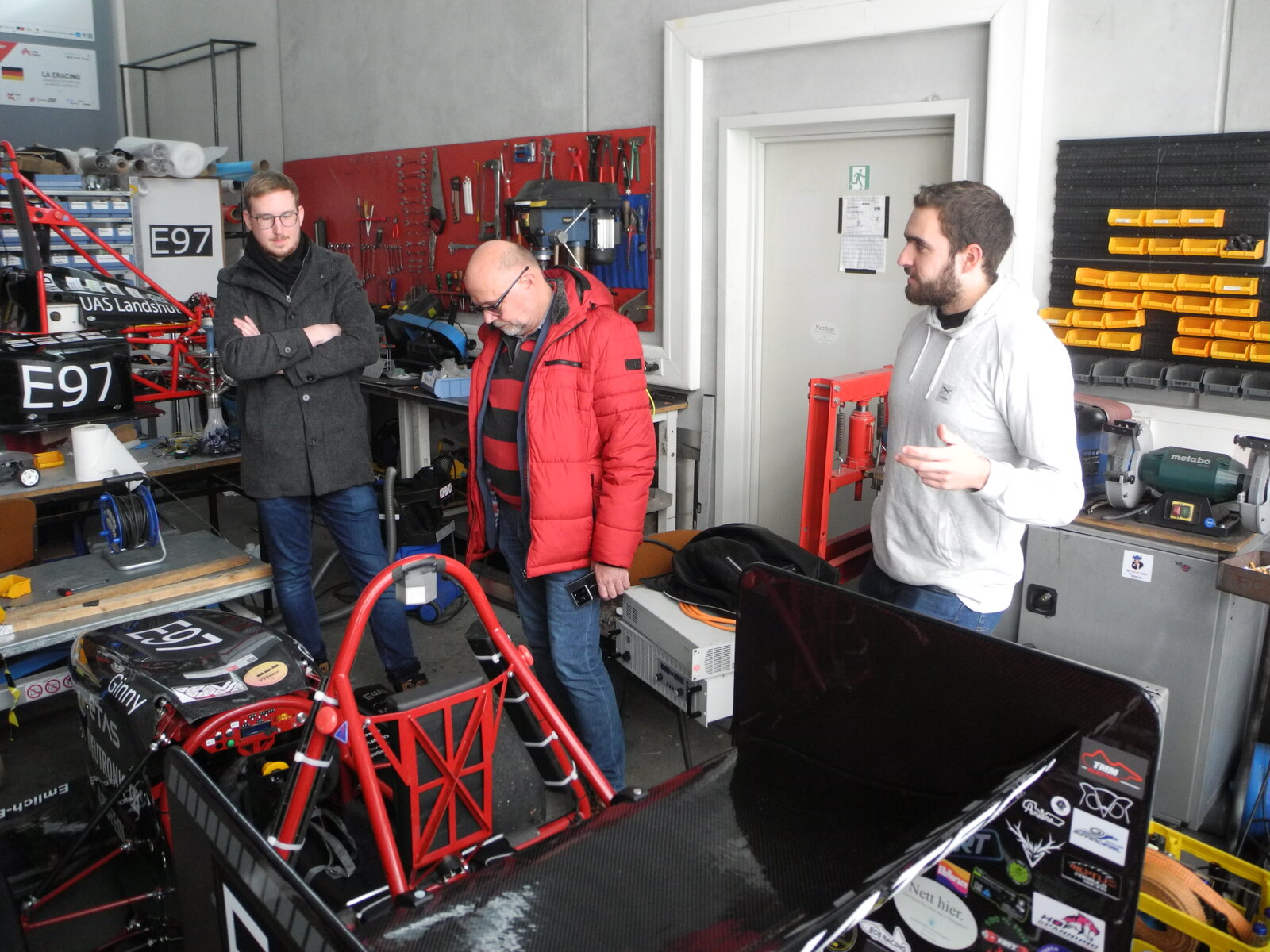
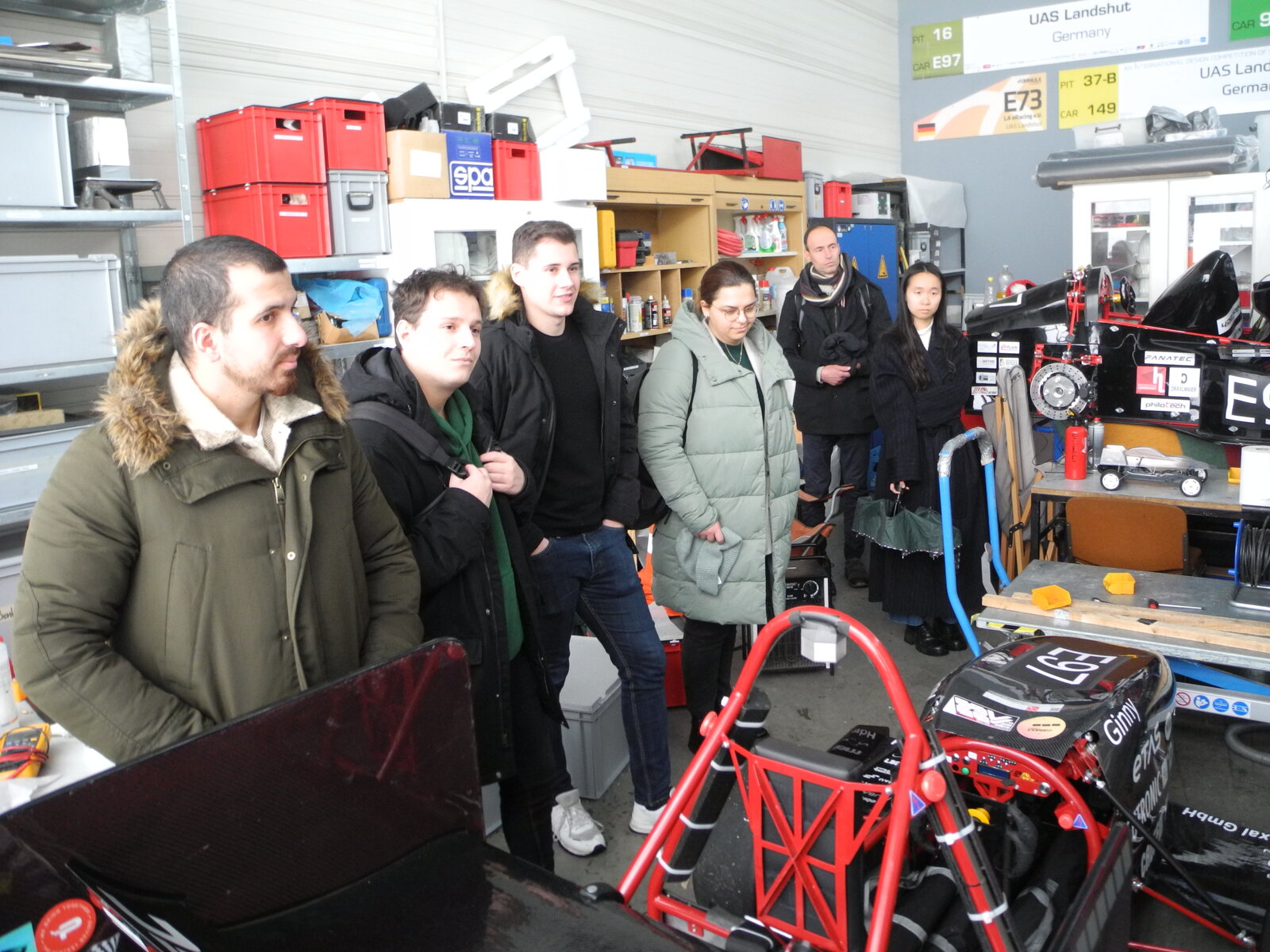
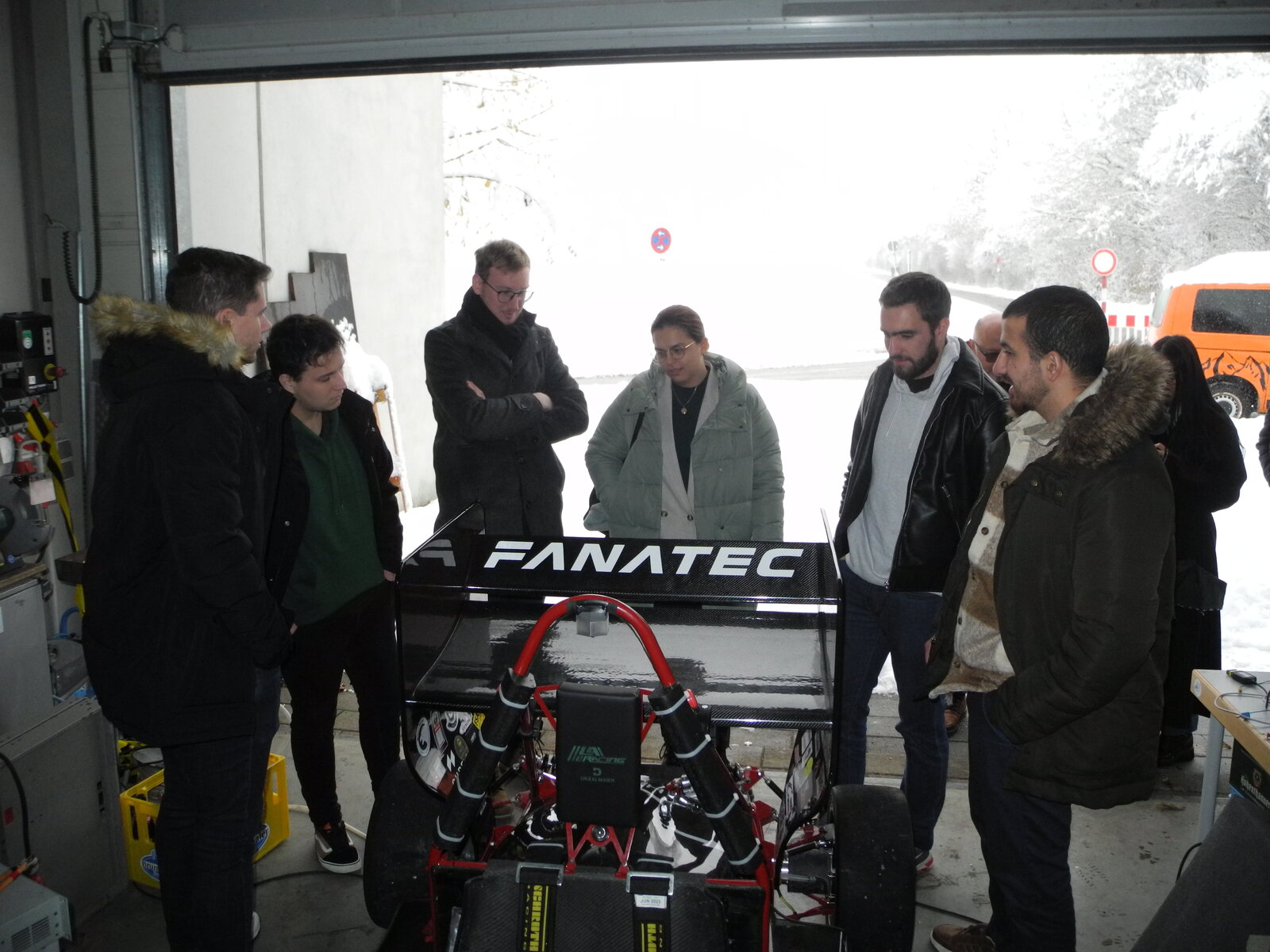
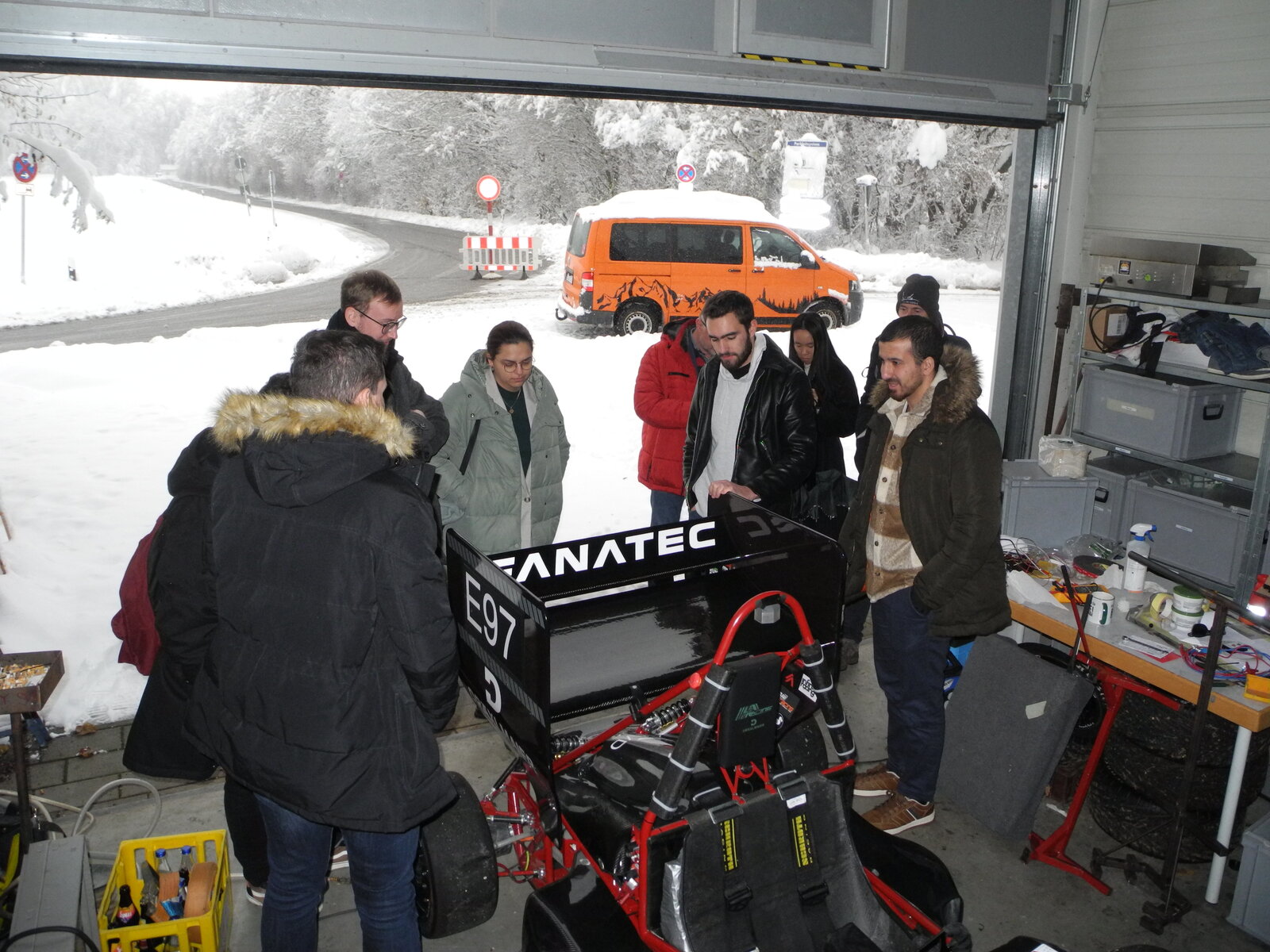
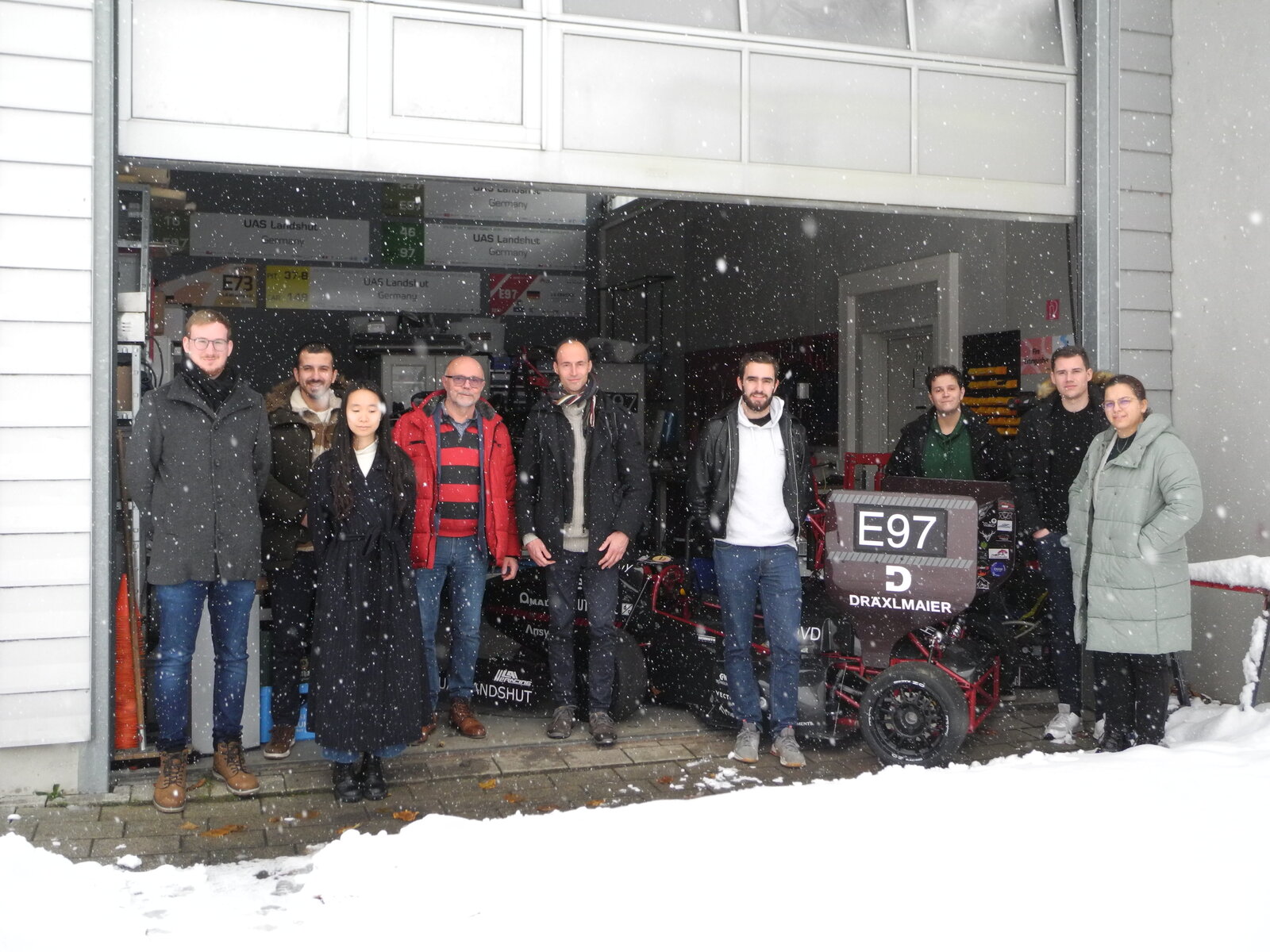
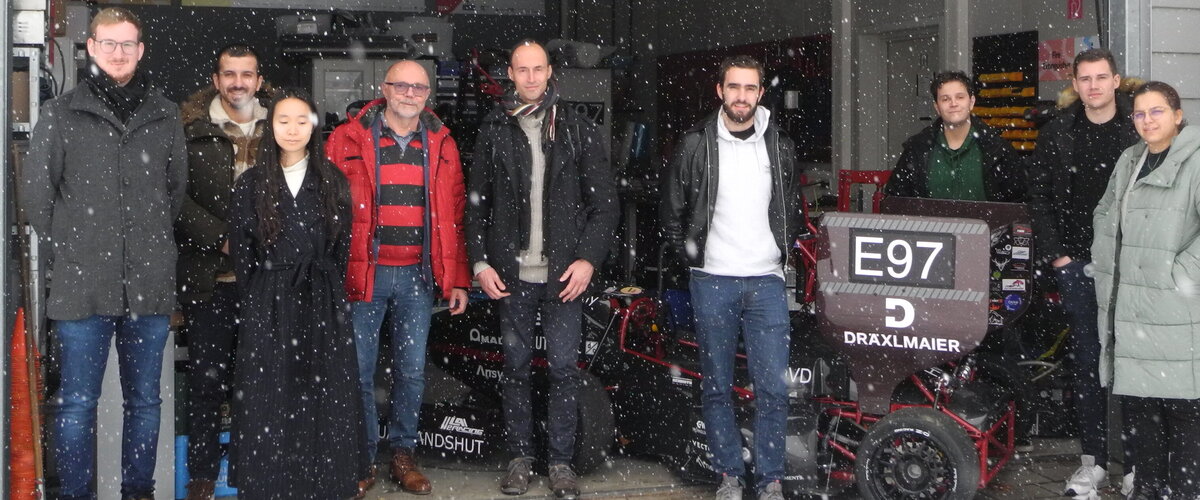
At Landshut University of Applied Sciences, the first stop was the workshop of the local Formula Student Team. There, the most active members often spend days and nights tinkering with new vehicles and regularly participate in Formula Student competitions throughout Europe, this year for example in Czechia and Croatia. The Landshut Formula Student Team has set itself a new goal of building an autonomous vehicle.
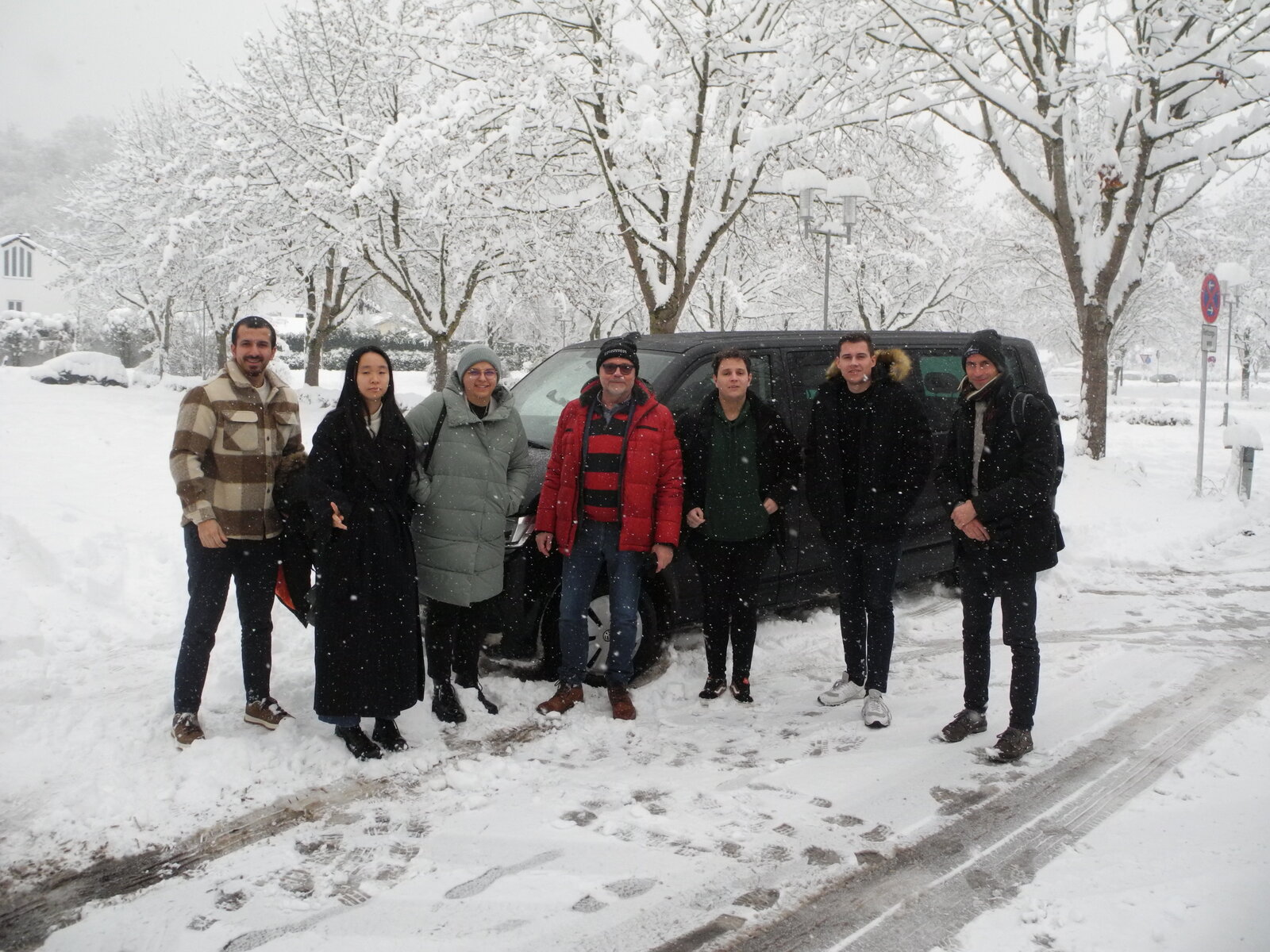
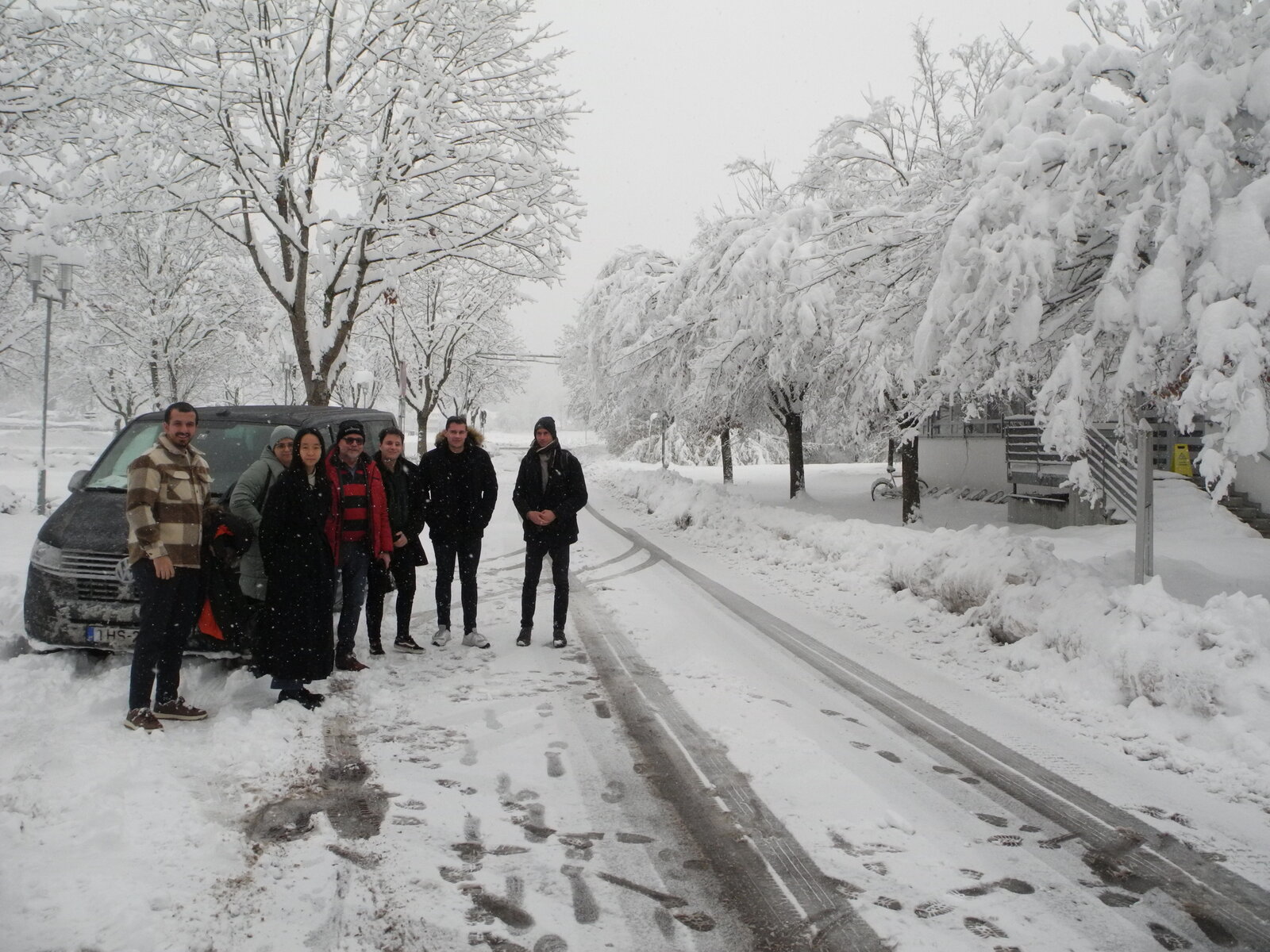
The project came to a provisional conclusion with a campus tour and a walk through snow-covered Landshut. There is great interest on both the Bavarian and Hungarian sides in repeating and further developing the project next year, which could also involve additional universities. Joint participation in competitions is also conceivable.