

Latest news
New call for applications: Mentoring.UR 2027–2028
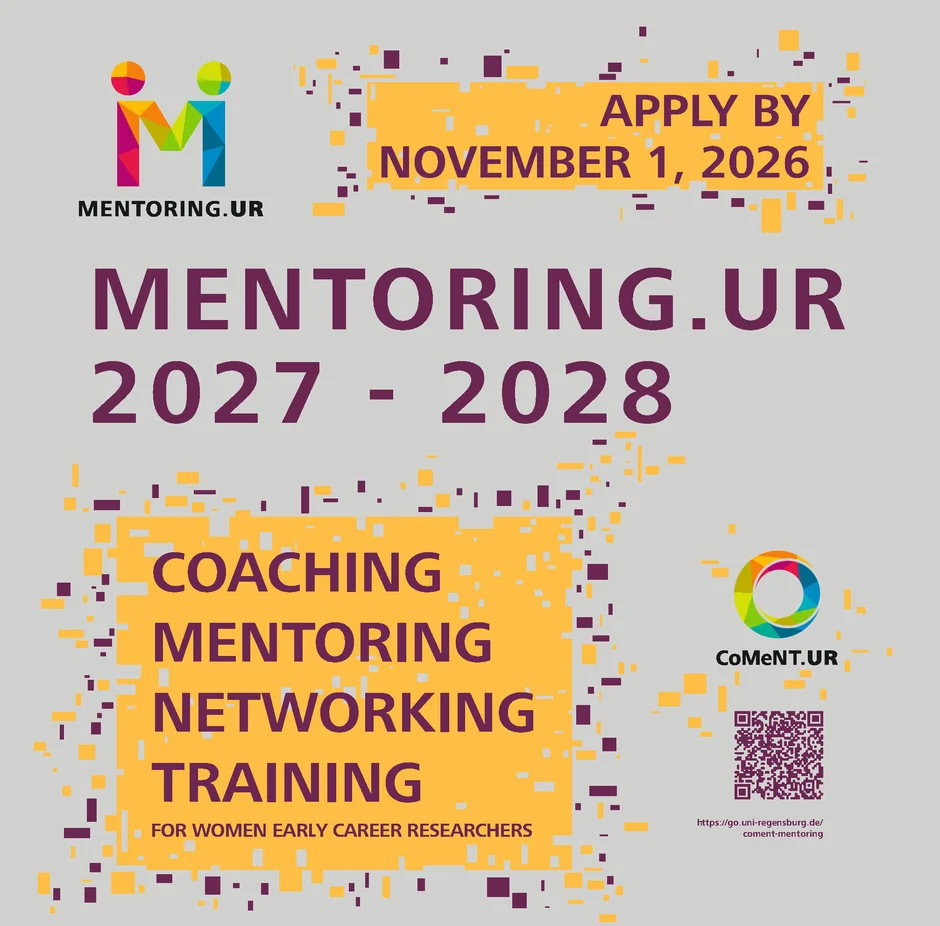
Applications are now open for the English-language Mentoring.UR mentoring programme for women early-career researchers in 2027–28!
Application deadline: 1 November 2026
Detailed information about the programme can be found in the call for applications for Mentoring.UR 2027-28 (PDF file, 359 KB, English) (opens in a new window). (This PDF is not accessible).
To apply, please submit the completed Mentoring.UR profile form (Word file, 91 KB, English) (opens in a new window) along with the documents required in the call for applications.
Current mentoring season
Mentoring ceremony for seasons 10 and 11
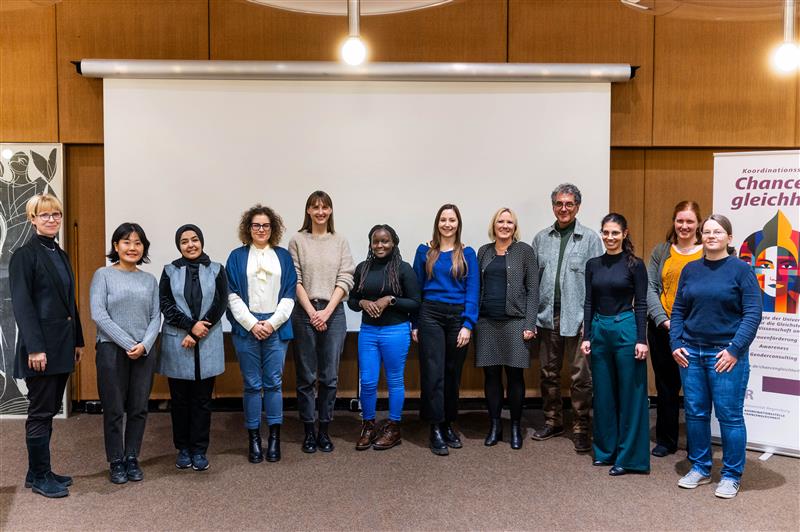
Further information about this year's mentees and the programme can be found at the bottom of the page.
Network
Cooperation between programme participants

Participation in the UR's mentoring programme and the resulting interdisciplinary network have repeatedly led to joint projects.
For example, Prof Dr Miriam Banas, Dr Laura Niebling and Prof Dr Silke Härteis, together with comic artist Sophie Nicklas, have found new ways to raise awareness of kidney disease. You can find insights into the project on the UR Science Blog (external link, opens in a new window).
The collaboration has also resulted in a podcast. Dr Aybike Hofmann and Dr Pirim Zöhrer, also supported by Dr Laura Niebling, provide practical and evidence-based information about their specialist field in the podcast "The Paediatric Urologists (external link, opens in a new window)".
Overview
Target group
Target groups
The mentoring programme is aimed at excellent women early-career researchers at the University of Regensburg:
- Postdoctoral researchers
- Habilitation candidates
- Private lecturers
- Doctoral candidates from the 3rd year of their doctorate.
The programme is cross-faculty and welcomes all those who aspire to a professorship or other leadership position in science, business or the cultural sector.
The mentees actively look for a mentor on their own responsibility after the start workshop.
The following groups of people can join the programme as mentors:
- C3, C4, W2, W3 professors from the University of Regensburg and other universities, including international ones.
- The mentors should be selected as closely as possible to the subject of research by avoiding dependencies between mentees and mentors.
- Managers within or outside academia.
Programme structure
Programme structure
The programme lasts 12 months.
Mentoring.UR is part of the CoMeNT.UR (external link, opens in a new window) personnel development programme, which is made up of the four pillars Coaching - Mentoring - Networking - Training. The kick-off and closing events provide the framework for the start and end of the official programme period. The mentoring tandem, which is accompanied by career coaching in the group, takes centre stage. Further, demand-oriented events complement the programme.
Goals and benefits
Goals and benefits
...for mentees
- increased integration and networking in the scientific community,
- Promotion of personal, strategic and professional competences,
- Development of management and leadership skills,
- Reflection on their own role as women early career researchers and focussing on (new) goals,
- Information on career management, work-life balance, structures and processes in the academic system or in areas outside (business, industry, culture, ...).
...for mentors
- Development of personal counselling and leadership skills,
- Gaining contact with possible future female colleagues and their networks,
- Insights into the situation of women early career researchers and their current research topics.
...across the board
- Locational advantage in the competition between universities for the "best minds",
- Encouraging women to continue on the path to a leadership position in science,
- Increasing the proportion of female scientists in management positions.
Quality assurance
Quality assurance
The mentoring programme is evaluated after each programme period to ensure quality. In addition, those responsible for the programme exchange ideas in regional and nationwide mentoring networks in order to consult with each other, work out new concepts and develop strategies for the continuous improvement of the programmes.
Coaching
Coaching
Group career coaching for Women Early Career Researchers
From January 2026 to November 2026, the participants of the 11th cohort of Mentoring.UR will take part in a group career coaching session and an individual coaching session. The coaching will be held in English.
Objective | You will gain clarity about your professional goals and competences in the context of individual life and career planning. The individual potential for your own career is promoted.
Subline |
- Clarity about personal and professional goals
- Utilisation of mentoring and other network relationships for your own development
- Knowledge of your own strengths and development opportunities
- Confident appearance and increased authentic self-confidence
Please refer to the Mentoring.UR 2026 Programme Schedule (dates with "Career Coaching")(external link, opens in a new window) (external link, opens in a new window).
Further information
Guide
Mentoring decision support
Below you will find a small guide to help you decide whether to take part in the mentoring programme:
Mentoring.UR 2026 guide (opens in a new window). (This PDF is not accessible) (pdf file, 298 KB).
If you have any further questions, please do not hesitate to contact us at any time.
Testimonials
What do mentees and mentors from previous seasons say?
Not every mentoring programme is like the other - and every previous season of the Regensburg Mentoring Programme has been different. Nevertheless, it can be helpful to talk to female academics who have already taken part in the programme. You can find an overview of the previous mentees and their mentors (external link, opens in a new window) on our homepage (simply click on the respective season). Just get in touch and ask!
How can I apply?
Application process
For each programme cycle, there is a call for applications and an application deadline by which you can apply in writing for admission to the programme. Places are allocated on a competitive basis. It is essential that you reflect well on your motivation for participating in the programme and your future career plans before applying and express this in your application.
If you are interested in a new call for applications for the programme and also in other offers and dates relating to equal opportunities and equality at the University of Regensburg, then simply subscribe to our newsletter "UR.Chancengleichheit". Then you will always be kept up to date. Contact: chancengleichheit(at)ur.de (opens your email program)
FAQ
Why mentoring?
Why mentoring?
The key advantage of participating in our mentoring programme is that you as a mentee can determine the direction yourself. You actively choose a mentor and do not have to wait to be selected. The formalised framework of the programme makes it easier for you to make contact with a person who will act as a role model for you in your career and professional and perhaps also personal development.
The basic idea of mentoring is simple: an experienced person accompanies and supports a person who is willing to learn in their professional and personal development within an institutional framework, but independent of the hierarchy.
The CoMeNT.UR (external link, opens in a new window) umbrella programme also offers coaching (external link, opens in a new window), training (external link, opens in a new window) and networking events (external link, opens in a new window) specially tailored to the target group.
Who suits me? The mentee-mentor relationship
Who suits me? The mentee-mentor relationship
The chemistry has to be right: The right mix of people involved is the linchpin for a successful relationship between the mentee and their mentor.
But what makes a good mentor? Each mentee must answer this question for themselves, depending on the wishes and expectations they bring to the programme. There is no doubt, however, that the mentor should respond to the mentee's wishes and doubts.
The mentee should show appreciation towards the mentor by preparing the meetings well, formulating questions themselves and thus showing their commitment - after all, it is about the mentee's project. The mentor will then endeavour to support committed Women Early Career Researchers in the best possible way.
What can I expect? Seminars, workshops & co.
What can I expect? Seminars, workshops & co.
In the seminars and workshops of the supporting programme, soft skills and special knowledge required in the scientific community are taught. Unlike other programmes, the events take place regularly and in a fixed group, so that the mentees can get to know each other better and better and a familiar atmosphere is created.
At the end of the mentoring programme, the mentees can look back on their own small "competence cluster". In order to continuously expand this network, informal, topic-oriented networking meetings are held during the programme.
German or English?
German or English?
The Mentoring.UR programme is offered in English since 2025. The events of the supporting programme will also be held in English. Events from the CoMeNT.UR training and networking modules will continue to be held mostly in German. For the language, please check the details of each event.
Mentoring.UR | Group 11 (2026)
Programme Schedule
Programme Schedule
Summer 2025
Call for applications
October 1, 2025
Closing date for applications
October 2025
Selection process
by end of october 2025
Written confirmation to the mentees
12-01-2025, 5 pm
Kick-off event with keynote speech by Dr Tatiana Klepikova and farewell to the participants of group 10
01-30-2026
Career Coaching & Mentoring | Initial workshop for mentees
participation mandatory
afterwards
Selection of individual mentors, agreements between mentees and mentors
03-10 & 03-11-2026 | 9:00 am -5:00 pm
Career Coaching | Two-day intensive workshop
participation mandatory
06-22-2026 | 9:00 am - 5:00 PM
Career Coaching: Small Group workshop (1 day, date option)
participation mandatory
2026, 2nd & 3rd quarter
Career Coaching: Individual Coaching (1 appointment by arrangement) on specific topics
Participation mandatory
10-21-2026, 9:00 am-5:00 pm
Career Coaching | Reflection Workshop
participation mandatory
11-16-2026 | 8:30 am - 12:00 pm
Career Coaching and Mentoring | Closing Workshop
End of 2026
Closing Ceremony for mentees and mentors
permanently
Networking events, invitations to various dates and events. Further training courses are being planned. For further information see CoMeNT.UR (external link, opens in a new window).
The workshop and coaching programme focuses on potential and career development and accompanies the mentorships.
Mentoring.UR Closing and Welcoming Ceremony
On December 1, 2025, the University of Regensburg celebrated a major milestone of its Mentoring.UR programme, marking the successful completion of the 10th cohort and welcoming the 11th. Professor Miriam Banas, UR's Deputy Representative for the Equality of Women in Academia and the Arts and Senior Physician of the Department of Nephrology at the University Hospital Regensburg, hosted the evening alongside programme coordinator Anna Theresa Wolferstetter M.A.
Vice President for Research and Support for Emerging Academics Professor Ernst Tamm welcomed the guests, among them members of UR's Executive Board and Professor Astrid Ensslin, UR's Representative for the Equality of Women in Academia and the Arts and Professor for Dynamics of Virtual Communication Spaces (at DIMAS). Dr Tatiana Klepikova, a mentee from the 9th cohort, delivered the keynote speech.
The event highlighted the decisive role of mentoring in fostering academic careers, promoting gender equality, and strengthening interdisciplinary networks, while sharing concrete success stories from mentees and alumni. Through keynote reflections, personal testimonies, and institutional perspectives, the celebration showcased Mentoring.UR as a vibrant, impactful programme that empowers women early-career researchers and helps shape the future of academia.
Why Mentoring Matters
At the celebration of the 10th cohort and the launch of the 11th Mentoring.UR programme, Miriam Banas opened the event with a reflection on the impact of mentoring in academia. Drawing on research and her own experience, she highlighted mentoring as a key driver of personal development, strategic career planning, scientific productivity, and long-term retention of young researchers at the university.
Using vivid references from Greek mythology and contemporary science alike, she illustrated mentoring as a network of guidance, protection, and shared wisdom. The success of the program was underscored by concrete achievements, including the 2025 City of Regensburg Prize for Women in Science and Art awarded to a former mentee of the program, PD Dr Stephanie Kandsperger.
Voices of the mentees
Miriam Banas and Anna Theresa Wolferstetter congratulated the new 11th cohort and reflected on a decade of mentoring success through the voices of the mentees themselves. Participants described gaining confidence, learning to navigate academic cultures, building clear research profiles, and recognising their own strengths as established researchers.
Across disciplines, mentees emphasised that mentoring helped them understand they were not alone and that asking for support can be transformative. In 2025, the programme once again brings together mentees from a broad range of faculties, highlighting Mentoring.UR's interdisciplinary reach and inclusive vision.
A programme with impact
Welcoming mentors, mentees, and guests, Ernst Tamm emphasised that Mentoring.UR is more than a program-it is a space for learning, connection, and shared growth. Since 2009, more than 140 early-career researchers from all faculties of the University of Regensburg have taken part, strengthening women's representation in academic leadership and addressing structural inequalities.
The programme's unique strength lies in its equal and mutually enriching mentor-mentee relationships, complemented by career coaching and peer networking. Celebrating the milestone of the 10th cohort, including the successful introduction of an English-language track, he thanked all participants for shaping a vibrant and forward-looking mentoring community.
Precarity, Courage, and Joy in Academia
Former mentee Tatiana Klepikova concluded the event with a deeply personal keynote on the precarities and joys of an academic career, reflecting on her path through doctoral and postdoctoral research. She spoke candidly about uncertainty, mobility, and pressure, while also emphasising the freedom, creativity, and collective strength that come with early academic stages. Her message resonated across disciplines: mentoring creates solidarity, perspective, and the courage to shape change, even in imperfect systems.
The evening ended with a networking reception, turning reflection into connection and reinforcing the spirit of Mentoring.UR-learningtogether, supporting one another, and shaping the future of academia.
To the short report in German language (external link, opens in a new window)
Mentees and Mentors of Group 11
Dr Natalie Dietrich and Prof. Dr Gregor Dorfleitner
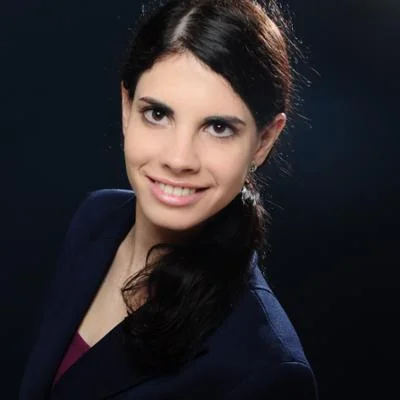
Mentee:
Dr Natalie Dietrich
Faculty of Business, Economics and Real Estate | Chair of Financial Accounting and Auditing
LinkedIn Profile of Dr Natalie Dietrich (external link, opens in a new window)
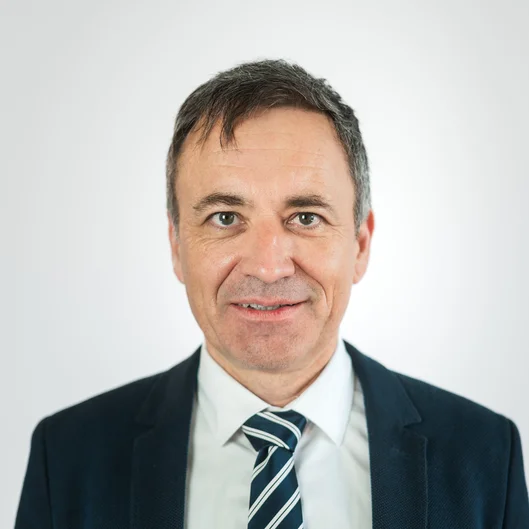
Mentor:
Prof. Dr Gregor Dorfleitner
University of Regensburg, Faculty of Business, Economics and Real Estate | Chair of Finance
Website of Mentor Prof. Dr Gregor Dorfleitner (external link, opens in a new window)
Melanie Franke M.Sc. and Prof. Dr Rolf Tschernig

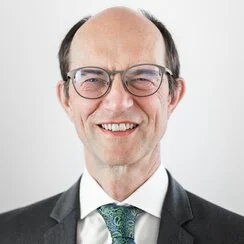
Mentee:
Melanie Franke M.Sc., MBA
Faculty of Business, Economics and Real Estate | Chair of Leadership and Organisation
LinkedIn Profile of Melanie Franke (external link, opens in a new window) and Website (external link, opens in a new window)
Mentor:
Prof. Dr Rolf Tschernig
University of Regensburg, Faculty of Business, Economics and Real Estate | Chair for Econometrics
Website of Prof. Dr Rolf Tschernig (external link, opens in a new window)
Elisabeth Huf M.Sc.
Mentee:
Elisabeth Huf M.Sc.
Faculty of Chemistry and Pharmacy | Institute of
Inorganic Chemistry
LinkedIn Profile of Elisabeth Huf (external link, opens in a new window)
Mentor:
Dr. Kim D. Kreisköther
Henkel AG & Co. KGaA Düsseldorf
LinkedIn Profile of Kim Kreisköther (external link, opens in a new window)
Dr Magdalena Hürten and Prof. Dr habil. Clarissa Rudolph
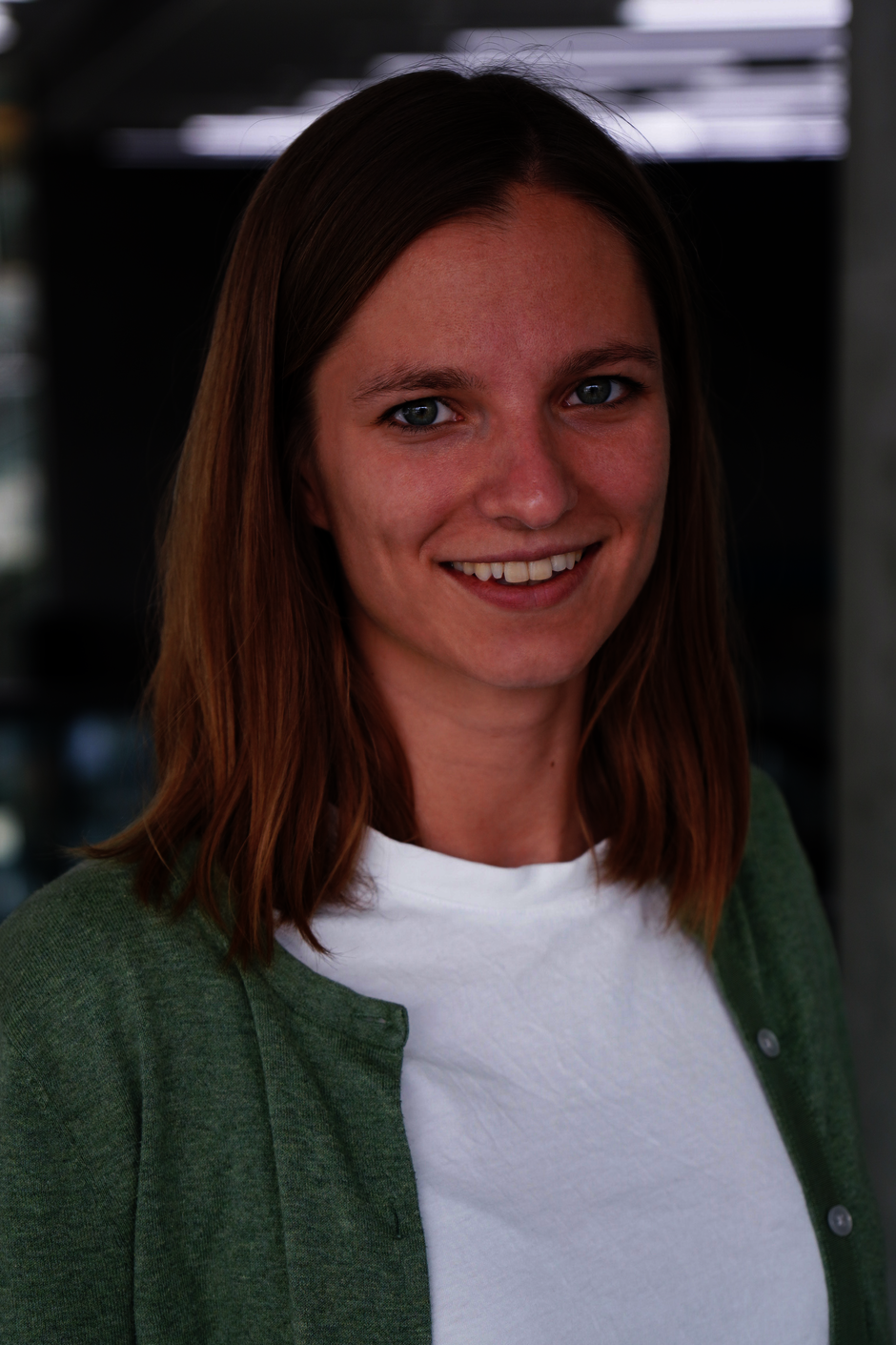
Mentee:
Dr Magdalena Hürten
Faculty of Catholic Theology | Chair of Pastoral Theology and Homiletics
Institute Website (external link, opens in a new window)
Website of Dr. Magdalena Hürten (external link, opens in a new window)
Mentor:
Prof. Dr habil. Clarissa Rudolph
OTH Regensburg, Faculty of Social Sciences and Health Care Sciences | Political Sciences and Sociology
Website of Prof. Dr habil. Clarissa Rudolph (external link, opens in a new window)
Gamze İlaslan Koç and Ass. Prof. Özgur Kolçak
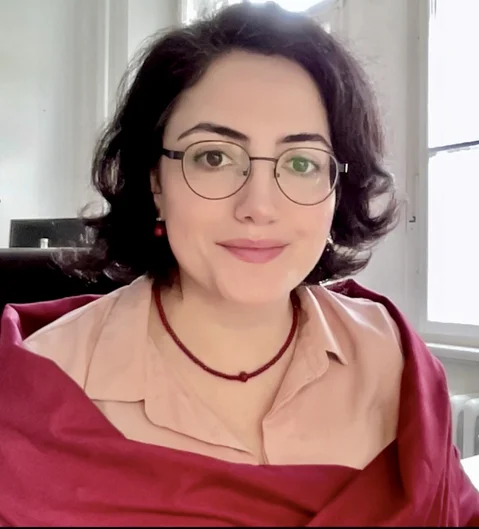
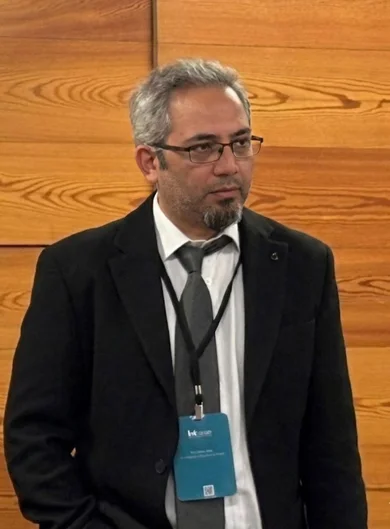
Mentee:
Gamze İlaslan Koç
University of Regensburg, Faculty of Philosophy, Art History, History and Humanities
Mentor:
Ass. Prof. Özgür Kolçak
Istanbul University, Faculty Of Literature | Department Of History, Department Of Early Modern History
Website of Ass. Prof. Özgür Kolçak (external link, opens in a new window)
Faith Kanana Mbiti and Prof Hilde Nelissen
Faith Kanana Mbiti
Mentee:
Faith Kanana Mbiti
Faculty of Biology and Pre-clinical Medicine | Department of Plant Cell Biology, Biochemistry, and Biotechnology
Institute Website (external link, opens in a new window)
Mentor:
Prof. Hilde Nelissen
Group Leader VIB, Belgium Research areas: Plant growth dynamics
Website of Prof. Hilde Nelissen (external link, opens in a new window)
Martyna Miernecka PhD
Mentee:
Martyna Miernecka PhD
Research Group (Volkswagen Foundation Freigeist Fellow)
Research group: "Light On! Queer Literatures and Cultures under Socialism,"
Institute for Slavic Studies, University of Regensburg (DE)
Mentor:
Dr Virginie Möller (born Rappeneau)
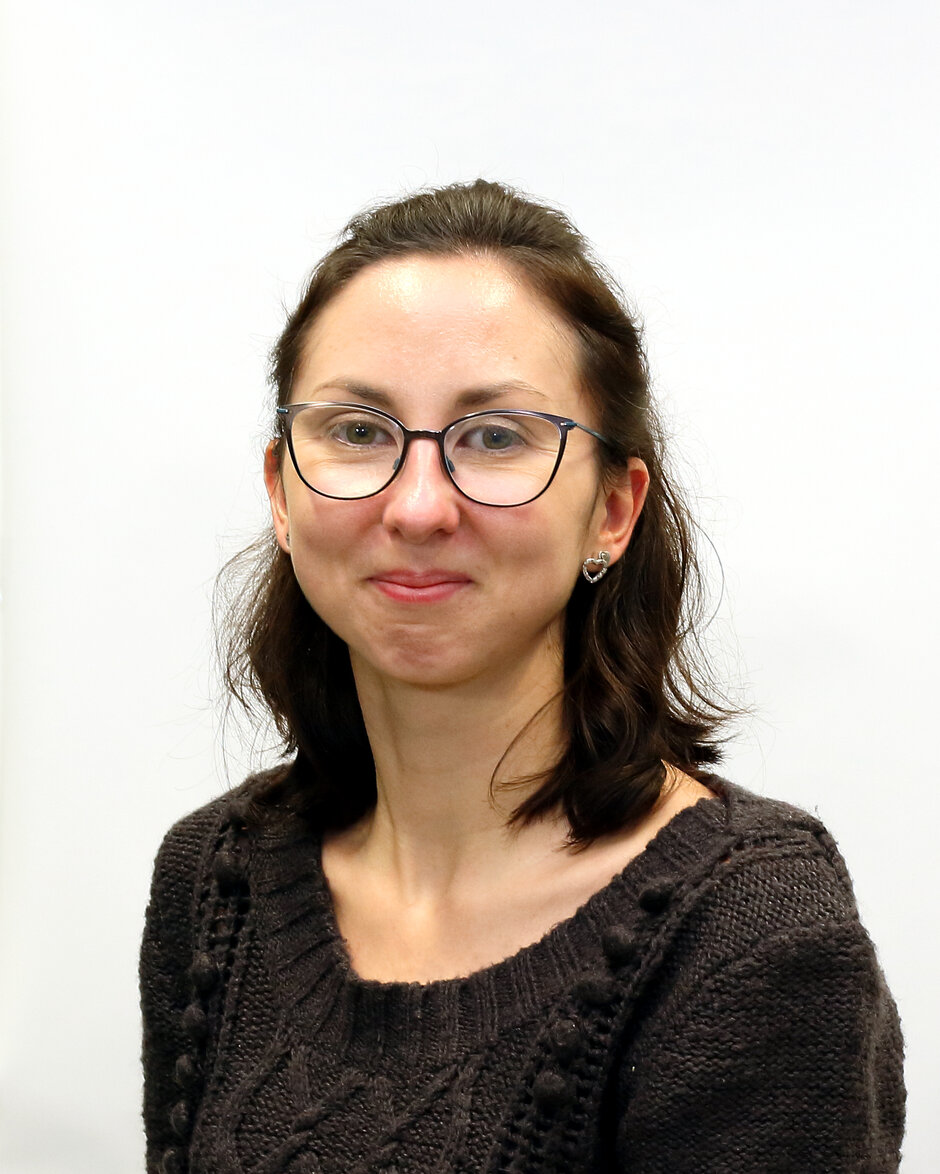
Mentee:
Dr Virginie Möller (born Rappeneau)
Faculty of Biology | Department of Neurobiology and Animal Physiology
Institute Website (external link, opens in a new window)
Mentor:
Prof. Dr. Sylvie Granon
University of Paris‑Saclay | Institute of Neuroscience
Sylvie Granon's team at NeuroPSI (external link, opens in a new window)
Hanifah Mumtaz M.Sc. and Prof. Arghir Dani Zarnescu
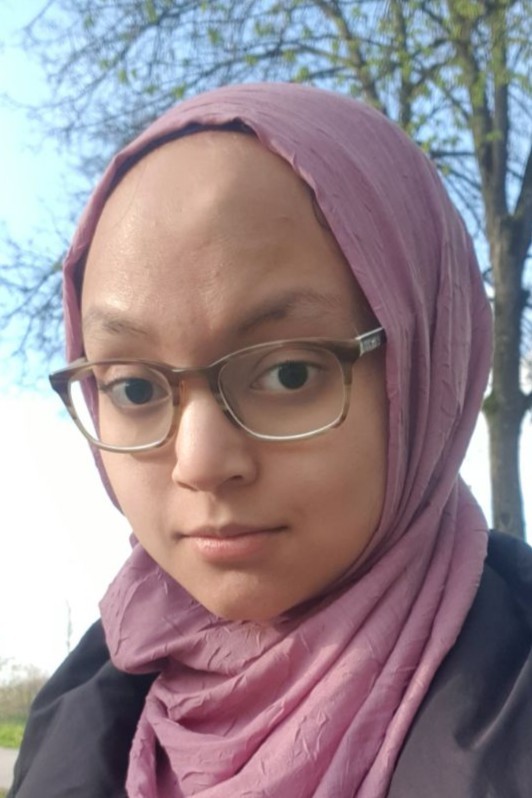
Mentee:
Hanifah Mumtaz B.Sc. Physics, M.Sc. Mathematics, M.Sc. Physics
Faculty of Mathematics | Applied Analysis
Institute Website (external link, opens in a new window)
Mentor:
Arghir Dani Zarnescu (Ikerbasque Research Prof., Group Leader of Applied Analysis)
BCAM - Basque Centre for Applied Mathematics; Applied Analysis
Website of Arghir Dani Zarnescu (external link, opens in a new window)
Andrea Regina Schmalhofer
Mentee:
Andrea Regina Schmalhofer
Faculty of Business, Economics and Real Estate | Institute of Business Administration in particular Financial services
Mentor:
Dr Dana Serditova with Prof. Corrigan and Prof. Kruschwitz
Dr Dana Serditova
Mentee:
Dr Dana Serditova
Faculty of Languages, Literatures and Cultures | Department of English and American Studies
Mentor:
Professor Karen Corrigan
Director of Research in Linguistics | Newcastle University, School of English Literature, Language and Linguistics
Prof. Karen Corrigan’s website (external link, opens in a new window)
Supervisor:
Prof. Dr Udo Kruschwitz
University of Regensburg, Faculty of Informatics and Data Science | Chair of Information Science
Website of Prof. Dr Udo Kruschwitz (external link, opens in a new window)
Dr Mashuda Tadjibayeva
Mentee:
Dr Mashuda Tadjibayeva
Faculty of Law | Chair of Private law
Mentor:
Dr. Melanie Merlin de Andrade
Max Planck Institute for Legal History and Legal Theory | Frankfurt am Main
Dr. Melanie Merlin de Andrade | Max Planck Institute (external link, opens in a new window)
Ass. Prof. Dr. Rustamjon Urinbaev
Lund University | Sociology of Law Department
Rustamjon Urinboyev | Sociology of Law Department (external link, opens in a new window)
Dr Yuan Zhou and Prof. Dr Artemis Roumpou
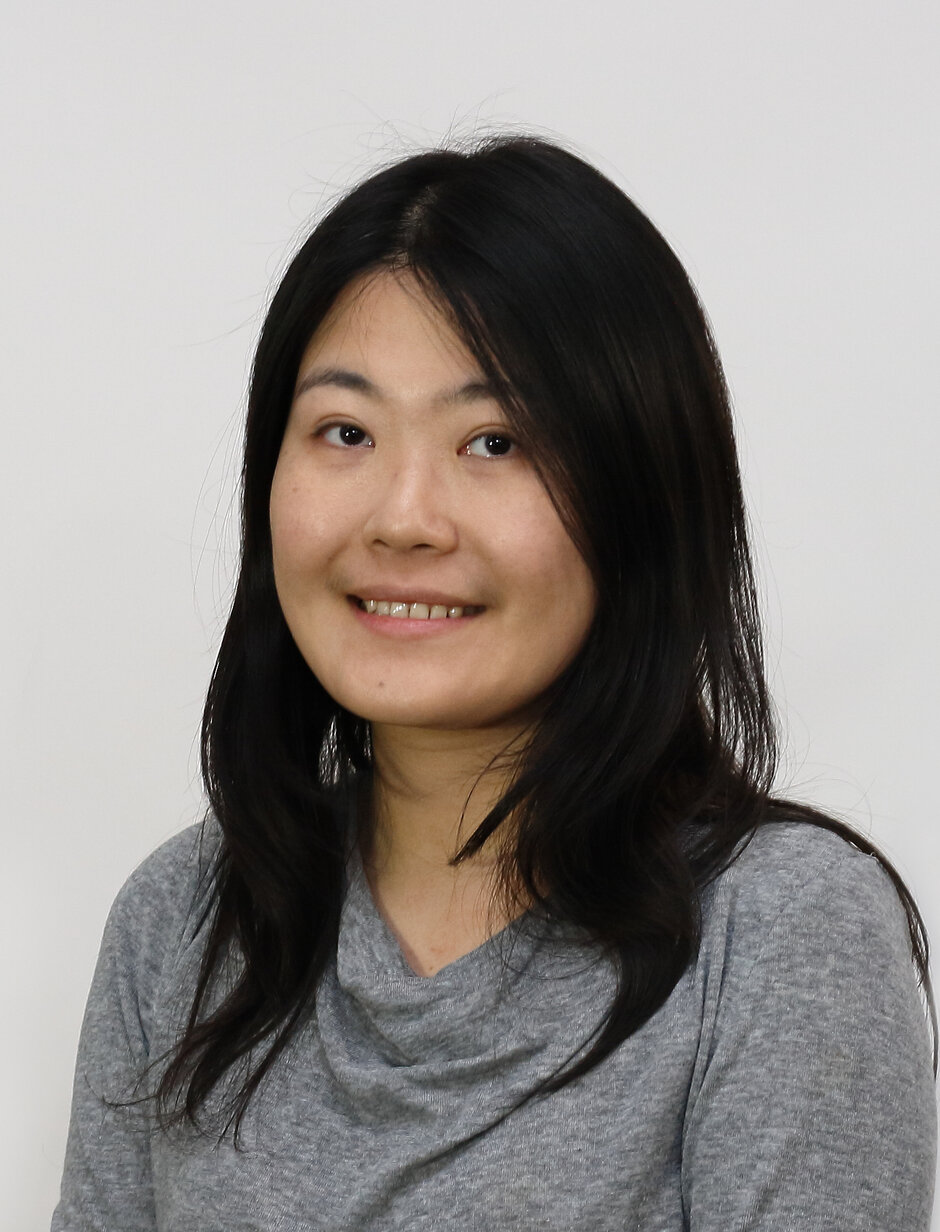
Dr Yuan Zhou
Faculty of Biology and Pre-clinical Medicine | Department of Plant Cell Biology
LinkedIn Profile of Dr Yuan Zhou (external link, opens in a new window)
Institute Website (external link, opens in a new window)
Mentor:
Prof. Dr Artemis Roumpou
Humboldt University Berlin | Faculty of Life Sciences | Albrecht Daniel Thaer-Institute Division Phytomedicine
Institute's Website of Prof. Roumpou (external link, opens in a new window)
Contact us
Prof Dr Miriam BanasDeputy University Representative for the Equality of Women in Academia and the Arts Programme management CoMeNT.UR and Mentoring.UR E-mail: Miriam.Banas[at]ukr.de | Anna Theresa Wolferstetter, M.A.Coordinator for the CoMeNT.UR and Mentoring.UR programmes, Gender Equality Award Phone 0941 943 3405 |
|---|