

AHRC-DFG UK-German Research Project in the Arts and Humanities
Coordination
Jack Broughton, M.A.
transitions@ur.de | +49 (0) 941 943 68565
Principal Investigators
Prof. Dr. Timothy Nunan
Transregional Cultures of Knowledge
DIMAS | Department for Interdisciplinary and Multiscalar Area Studies
Universität Regensburg
Bajuwarenstraße 4, Room BA821
93053 Regensburg
Germany
timothy.nunan@ur.de
Prof. Dr. Vlad Strukov
Film and Visual Cultures
School of Languages, Cultures and Societies
University of Leeds
Woodhouse Lane
Leeds LS2 9JT
UK
v.strukov@leeds.ac.uk
The project brings together an international, interdisciplinary team of researchers at the University of Leeds (United Kingdom) and the University of Regensburg (Germany), as well as research partners from the region, in order to collaboratively examine cultural and political shifts in the countries of the Caucasus and Central Asia where Islam is a dominant religion, taking Azerbaijan and Kyrgyzstan as principal case studies. In particular, the project is concerned with how discourses around religion and faith, on the one hand, and gender and sexuality, on the other, played a role in these countries’ negotiations of nationhood and global citizenship in the last quarter of the twentieth century. The project is jointly funded by the Arts and Humanities Research Council (AHRC, UK) and the Deutsche Forschungsgemeinschaft (DFG, Germany).
The project looks at the major geopolitical and cultural transformations of this period from the perspective of these countries, enriching our understanding of transnational histories. Spanning the disciplines of Art History, Cultural Studies, Gender and Sexuality Studies, History, International Relations, Literary Studies, and Media Studies, this pioneering research analyses political, legal, and media discourses alongside artistic and literary manifestations of ‘transitions’ in Azerbaijan and Kyrgyzstan. The term ‘transitions’ signifies two interconnected processes: (1) political and cultural re-orientations that occurred in the context of shifting centres of power; and (2) artistic re-imaginings of cultural heritage and creation of new or revised practices, communities and institutions.
The project recognises that religion and secularism play an important role in the production of frameworks of belonging; however, the project considers Islam predominantly in cultural terms. It approaches the notion of ‘Muslim Republics’ through a critical lens as a discursive construct, whilst celebrating the cultural diversity of Azerbaijan and Kyrgyzstan. Whilst these cases have been selected, the project does not draw comparisons between these two countries, but instead considers transregional and international political, legal, cultural, literary and artistic exchanges with multiple actors in the region, such as Iran, the Russian Federation and Türkiye, and beyond the region, such as the West. Moreover, the two countries are thought of not in ethnic and national terms exclusively, but also as arenas of intersection of global political and cultural flows. This approach allows the team to review critically the colonial-era concepts of ‘the Caucasus’, ‘Central Asia’, ‘the Russian near abroad’ and ‘the Turkic world’, and to test the theoretical potentialities of de-colonial geo-cultural affiliations such as SWANA (‘Southwest Asia and North Africa’).
The project runs from February 2025 to January 2028. An international conference will take place on October 22-24, 2026, in Regensburg, Germany. Please click here to see the Conference Programme.
NOTE: This project description will be updated regularly to reflect any changes in the focus of our research as we continue to engage with different stakeholders in Azerbaijan and Kyrgyzstan.
Team
Jack Broughton
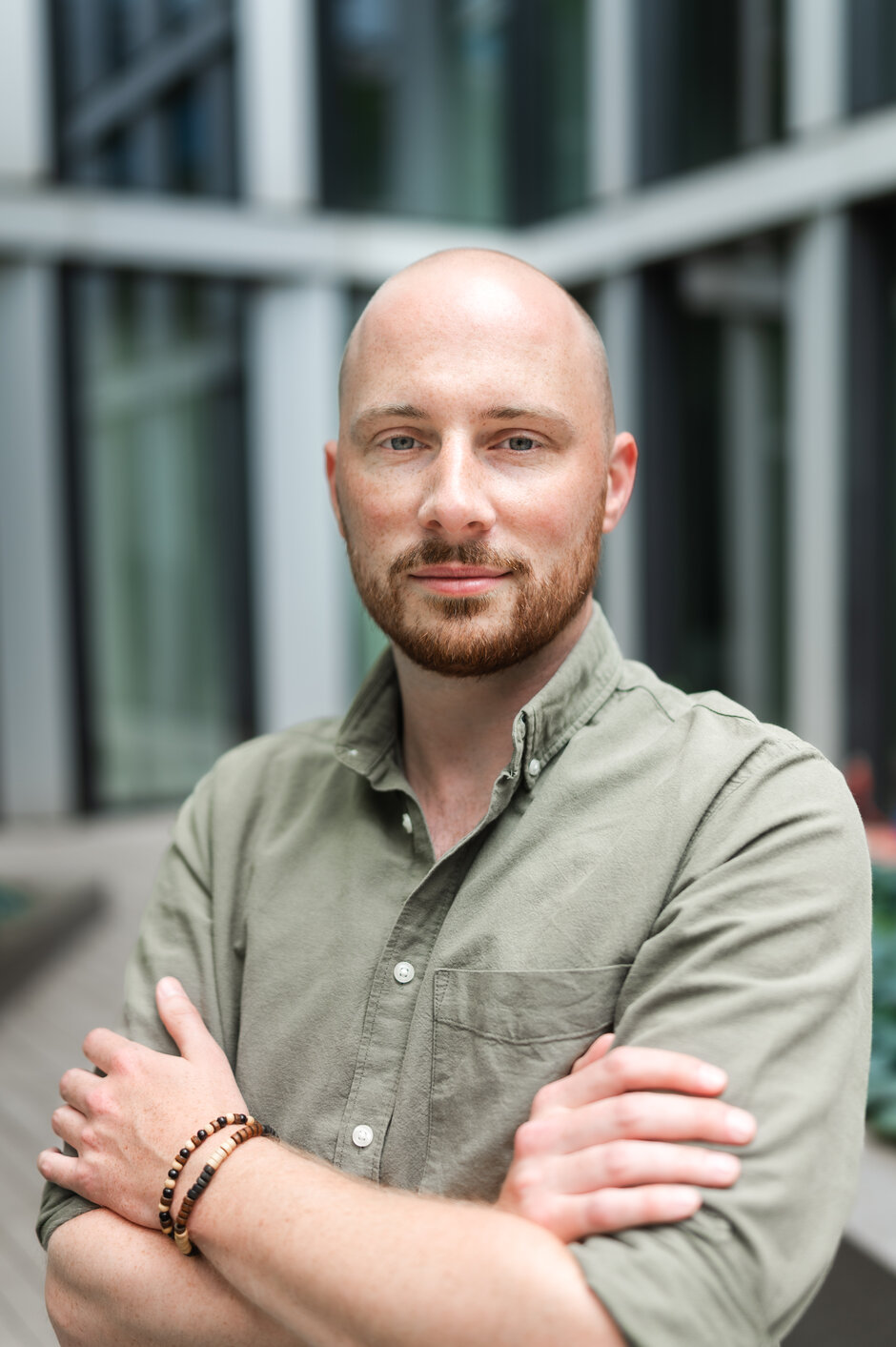
Jack Broughton is the Project Coordinator of ‘Transitions: Examining Changing Regimes of Sexuality in Post-Soviet Muslim Republics’. He is responsible for the day-to-day administration of the project, management of research data, as well as communication with our partners and stakeholders. Jack completed his MA in Multilingualism and Regionality at the University of Regensburg, where he developed his interest in the intersection between linguistic diversity and social identity into a focus on regional, minority and migration languages in the public space, as well as the politics of language in post-conflict societies. Prior to joining Transitions, he worked in the administration of DIMAS (Department for Interdisciplinary and Multiscalar Area Studies). During his MA studies, Jack also served as academic assistant in seeFField, an Area Studies initiative to strengthen Southeast European Studies in Regensburg, and at the Bohemicum, the University of Regensburg’s Centre for German-Czech Studies.
Andrew Delatolla
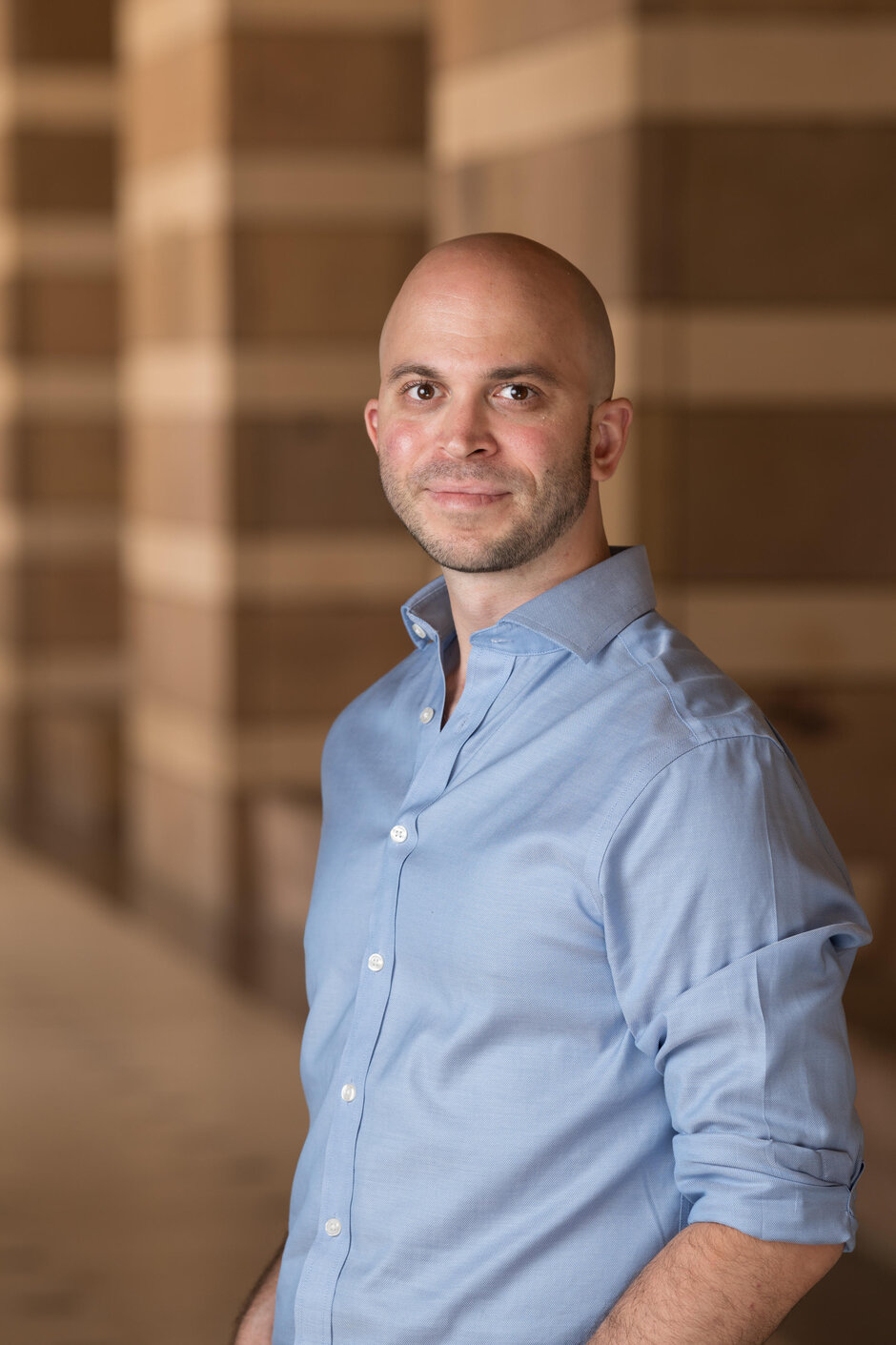
Andrew Delatolla’s research examines the consequences of colonialism and empire on the politics of race and sexuality in the Middle East. It considers race and sexuality as foundational aspects for political exclusion, activism, and components in the development of socio-economic hierarchies with ongoing effects on statehood, national identity, and conflict. His research is interdisciplinary engaging with discussions in International Relations, Sociology, and History. He has contributed to discussions in news media, including national and international newspapers and BBC radio programs. He is the author of the monograph Civilization and the Making of the State in Lebanon and Syria (2021, Palgrave) and co-editor of the Queer Conflict Research (2024, Bristol University Press). Andrew is currently Associate Professor in Middle Eastern Studies at the University of Leeds. Prior to joining the University of Leeds, Andrew was Assistant Professor of International Relations and Chair of the LGBTQIA+ Caucus at the International Studies Association.
Olga Doletskaya

Olga Doletskaya (they/she) was a Research Associate at the School of Languages, Cultures and Societies at the University of Leeds, specialising in kinship and family-making across borders. Olga’s PhD, titled Queer Russian Parents: Building Support Networks, Navigating Risks, “Doing Family”, and Crossing Borders, focused on how LGBTQ+ parents have and raise children in the hostile and authoritarian context of the contemporary Russian Federation. Olga’s previous research focused on parenting through the lens of assisted reproduction, focusing on the experiences of commercial surrogates in Russia. Olga has previously worked as a curator and archivist across different mediums, from film festivals to exhibitions, to digital accessibility of museum collections. Within the framework of the AHRC–DFG project Transitions, her research and curatorial practice was applied to the topics of gender, sexuality, identity and belonging. Outside of research, Olga was responsible for conference and fieldwork organisation, as well as engagement with external organisations, networks, and cultural partners.
Tatiana Klepikova
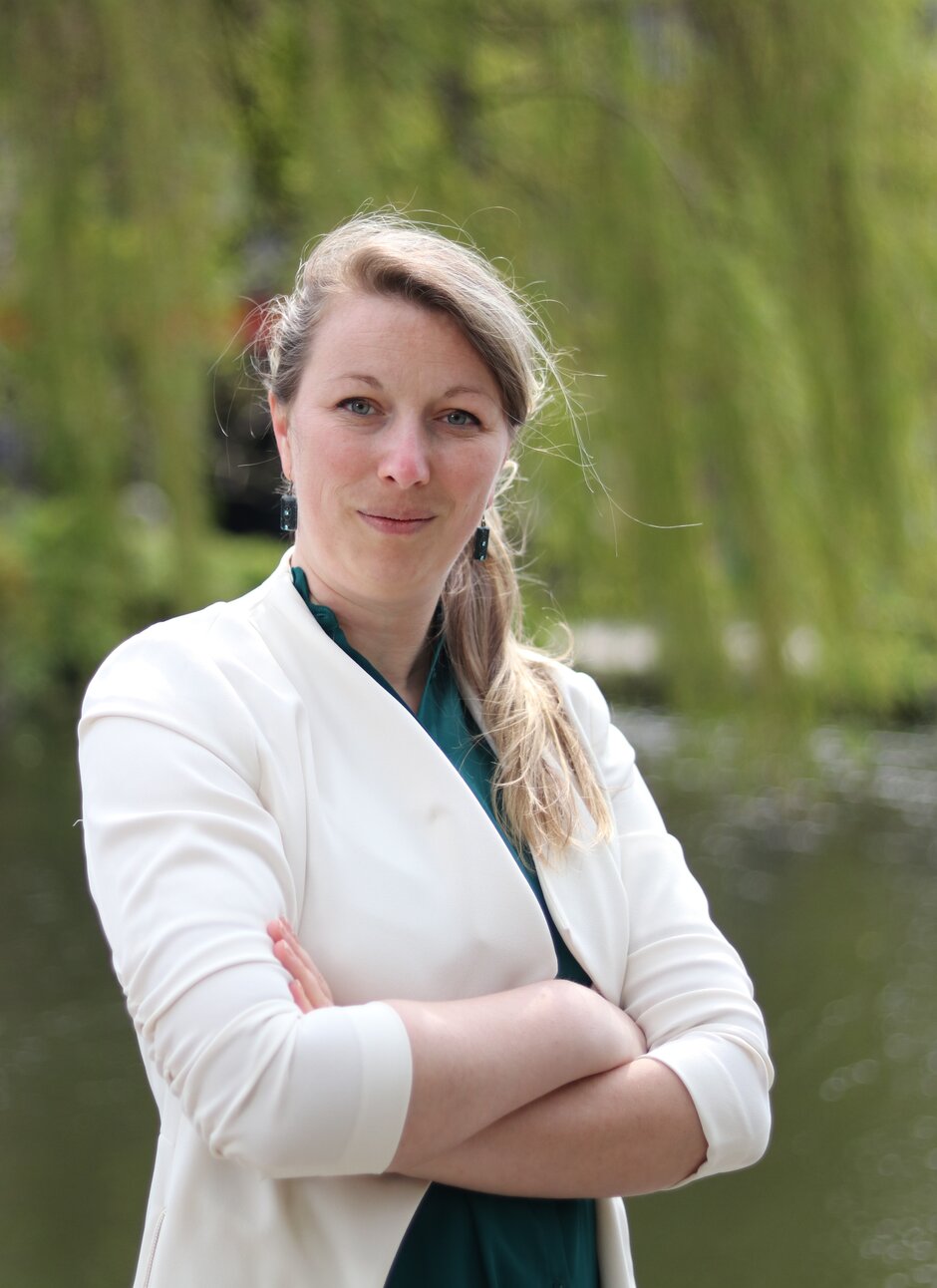
Tatiana Klepikova is a Literary and Cultural Studies scholar. She is interested in transnational connections between minoritized cultures, especially, from the perspectives of gender and sexuality, performance and art, and memory. Her research focuses on socialist and post-socialist contexts and has covered questions on the topics of subversive literary imaginaries, LGBTQ+ theater histories, feminist movements, transitional justice, and digital cultures. She has written extensively on contemporary queer cultures in Eastern Europe and has also co-edited several interdisciplinary volumes on late socialism, digital subjectivities, and queer politics after the Cold War. Deeply committed to facilitating cultural dialogue across societies, she has also engaged in several projects of literary and academic translation. Beyond her work of the Transitions project, she leads a research group on queer literatures and cultures under socialism at the University of Regensburg and co-chairs an interdisciplinary network on non-hegemonic remembrance.
Zahra Mammadova

Zahra Mammadova is a curator and researcher currently pursuing a Master's degree in Visual Cultures and Art History at Masaryk University, Brno, and contributes to Transitions as a Fellow in the project. Her curatorial work explores the postmodern human condition through themes of identity, social injustice, technology, cultural memory, ecology, and language. Her research engages with abject theory and body, everyday aesthetics, cultural memory, and the ways in which language shapes perception and social reality. She is interested in the cultural and artistic legacies of the post-socialist transition period, examining how historical ruptures, collective memory, and shifting identities continue to influence contemporary visual culture. She previously worked at YARAT Contemporary Art Space as a curator (2021-2025), where she contributed to exhibition development, mainly working with young and emerging artists in experimental projects, public and educational programming, and research initiatives.
Timothy Nunan
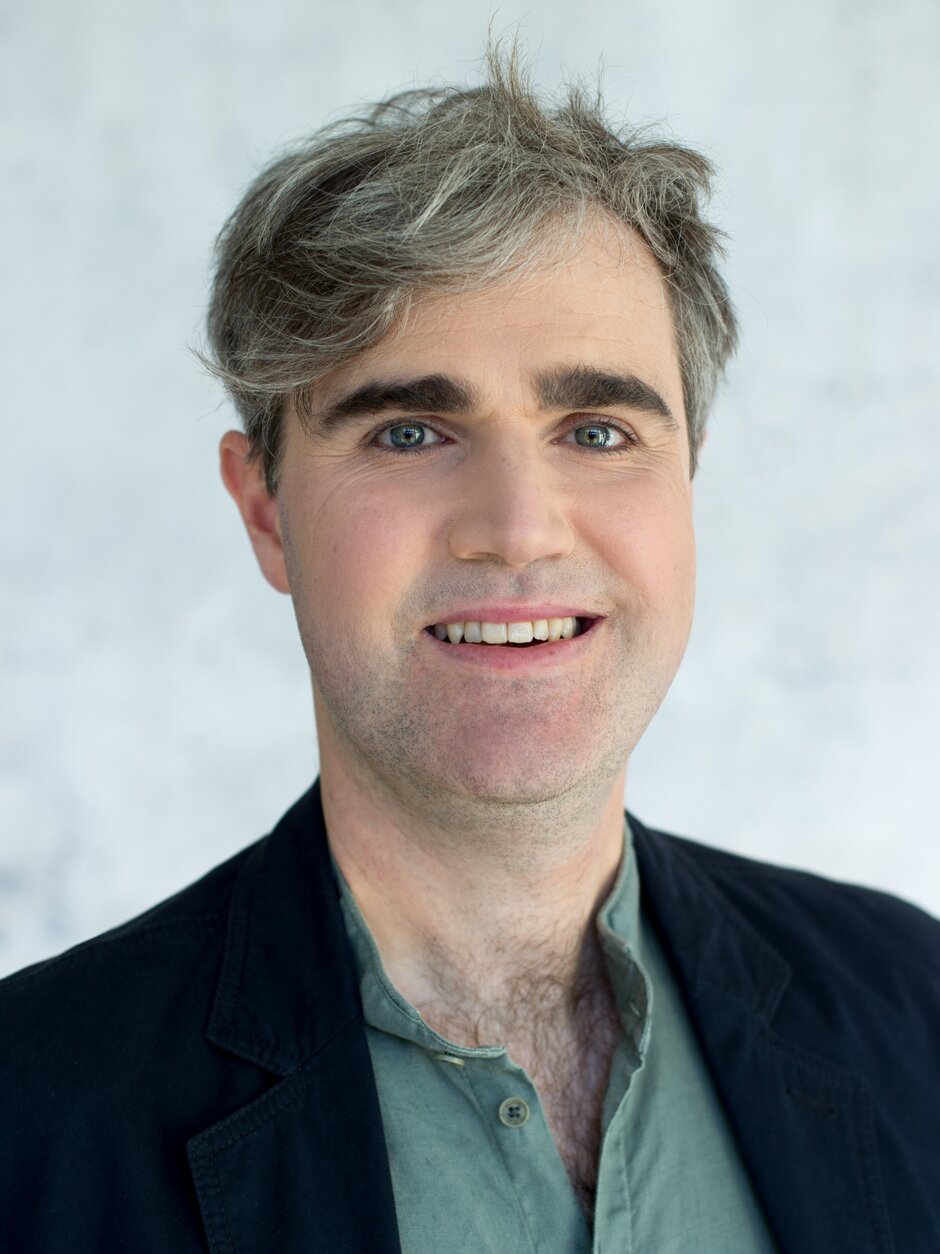
Timothy Nunan is a historian whose work bridges the intellectual and political worlds of the former Soviet Union and the Middle East. Driven by a commitment to rethinking the paradigms of area studies, his research explores how global ideologies - from Communism to Islamism - have shaped the transition from the Cold War to the modern era. Nunan has written about the history of international development in Cold War-era Afghanistan and the Soviet occupation of Afghanistan, while a forthcoming book examines the impact of decolonization on Shi’a Islamist thought and politics. Within Transitions, he is interested in both the impact of perestroika and glasnost’ on the Soviet Union’s Muslim-majority republics and the interactions between local actors and regional powers, such as Türkiye and the Islamic Republic of Iran. Nunan brings this expertise to his role as the Professor for Transregional Cultures of Knowledge in the Department of Interdisciplinary and Multiscalar Area Studies (DIMAS) at the University of Regensburg.
Ernest Opoku

Ernest Opoku is Student Assistant in the project ‘Transitions: Examining Changing Regimes of Sexuality in Post-Soviet Muslim Republics’. He is currently pursuing a Masters of Arts programme in European Sudies at the University of Regensburg. His academic interest centres on European History, Politics and European integration, with a particular focus on the European institutions and how they can serve as a blueprint for the integration of a continent such as Africa. He holds a Bachelor's degree in Information Studies and Russian from the University of Ghana. As part of his Bachelor studies, Ernest spent some time studying in Moscow, where he received a Certificate in Russian Language from the Pushkin State Russian Language Institute.
Riley Porter

Riley Porter (she/her) is a student assistant in the project ‘Transitions: Examining Changing Regimes of Sexuality in Post-Soviet Muslim Republics’. She completed a Bachelor of Arts with Honours in Applied Linguistics and French Studies at Brock University, Canada. Her book review regarding French language education was recently published in the TESL Canada Journal. She is currently a Canadian international Master’s student in English Linguistics at the University of Regensburg. Her research interests include sociolinguistics, the relationship between language and identity, queer linguistics and language variation. She is also a student researcher on a collaborative study between the University of Regensburg and the University of Gdańsk on Linguistic Landscapes in Berlin and Warsaw. Her focus is on queer areas in each of the cities and how queerness is expressed through the linguistic landscape. Her goal in future research is to spread linguistic knowledge outside of the academic world, giving language users the theoretical information to solve real world issues.
Vlad Strukov

Vlad Strukov’s research is on visual cultures in global settings, with emphasis on contemporary art and film. Related areas of enquiry are digital cultures and queer cultures. Across these fields, he addresses theoretical questions of visibility, visuality and materiality, as well as (anti-)identity and post-representation. His work draws on Jacques Derrida’s philosophy, and more recently on Derrida’s engagement with Sufism. Vlad is active as editor and curator, shaping debates through exhibitions, publications and networks that connect artists and scholars across the Global East and Global South. His publications include books on contemporary cinema (Edinburgh UP), popular geopolitics (Routledge), memory and securitization (Palgrave), and others. His forthcoming publication is a volume on streaming and film cultures. He is Professor of Film and Visual Culture, University of Leeds, and Visiting Professor of Contemporary Art and Curating, Ca-Foscari University, Venice. He is the founding director of Leeds Centre for Global Queer Cultures and Politics.
Gözde Yazıcı Cörüt
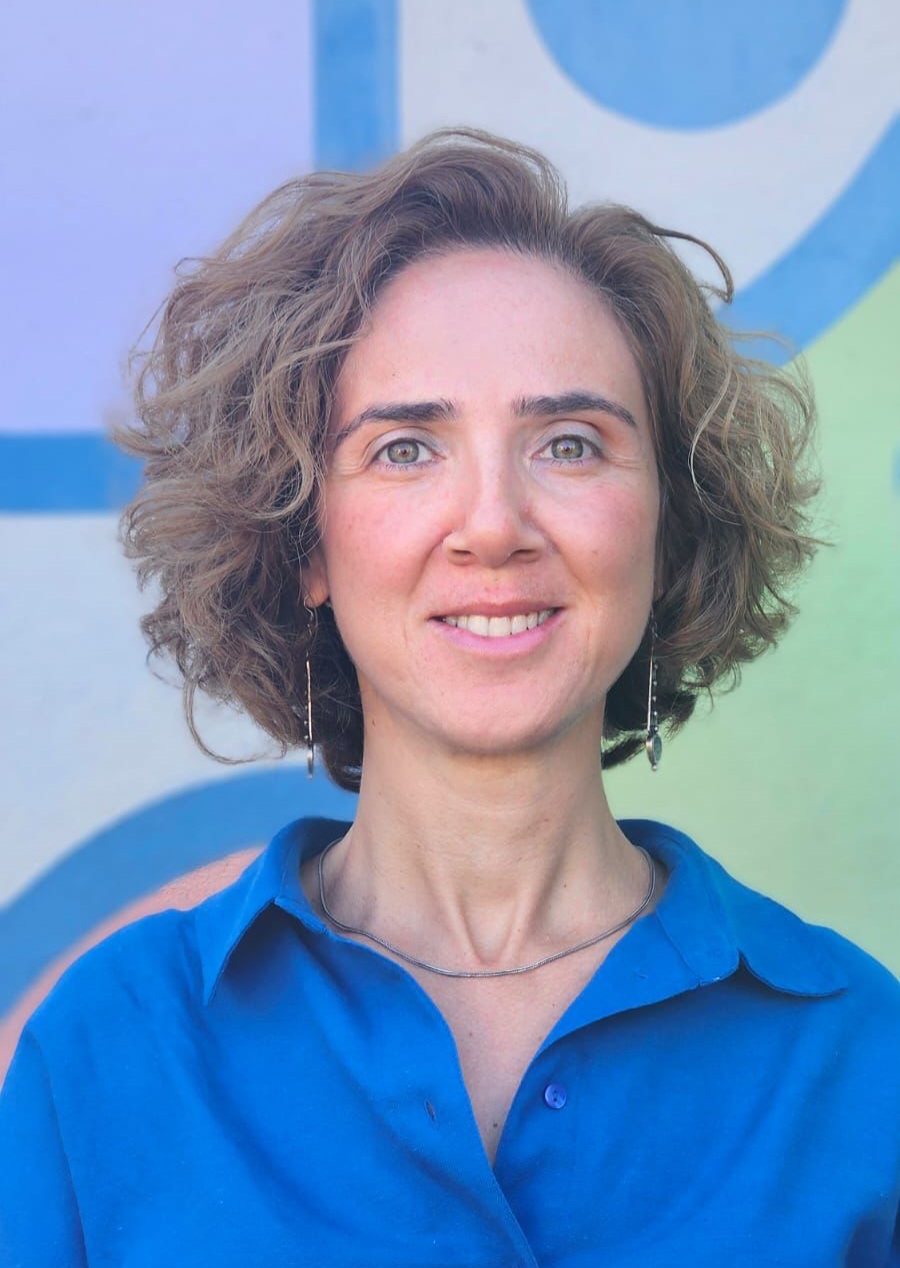
Gözde Yazıcı Cörüt is a researcher in the Department of Interdisciplinary and Multiscalar Area Studies at the University of Regensburg, specialising in transimperial and transnational histories of Eurasia in the nineteenth and twentieth centuries. Her longstanding interest in bringing the Ottoman and Russian empires into dialogue crystallised in her involvement in the Transottomanica research project, which led to her first monograph, Loyalty and Citizenship: Ottoman Perspectives on its Russian Border Region (1878–1914). Within the framework of the AHRC–DFG project Transitions, her research examines cultural production in the late Soviet and early post-independence periods in Azerbaijan and Kyrgyzstan through a gendered lens, foregrounding moral ambivalence and marginal subjectivities as key to the negotiation of social and political transformation. She also focuses on cultural and intellectual entanglements across Turkey, exploring how ideas, narratives, and aesthetic practices circulate, acquire new political meanings, and are articulated, contested, or adapted in relation to state-driven political agendas, particularly through gendered forms of representation.
News

The content of “News” items represents the perspective of the individual author and not necessarily that of the University of Regensburg, the University of Leeds, the DFG or the AHRC.